Preparation
highKing's gives a compound mustard liniment built around volatile oil of mustard with mezereon, camphor, castor oil, alcohol, and ammonia-water ingredients.
Sinapis alba
Mustard appears in Hermetikon as an archive-backed plant entry, with references across historical medical, magical, symbolic, and ritual contexts where the source texts support them.
Identity, safety, and search aliases used to connect this herb to the archive.
Mustard plasters and medicinal preparations can irritate skin and mucosa; food use is distinct.
Historical archive citations are not medical advice. Use modern clinical and poison-control sources for ingestion, dosage, pregnancy, and toxicity questions.
Curated archive synthesis of recurring uses, recipes, rituals, and interpretive problems.
Hermetikon's curated reading of Mustard (Sinapis alba) is built from 3 source-linked archive notes and 1 preparation or ritual-use entry. The strongest recurring contexts are preparations, folk magic, and astrology. Each note below links back to the archive source used for the claim.
King's gives a compound mustard liniment built around volatile oil of mustard with mezereon, camphor, castor oil, alcohol, and ammonia-water ingredients.
Agrippa assigns mustard seed to Mars by grouping it with tear-causing alliums and other offensive or martial things.
Frazer records Azorean Midsummer lore that the devil can be seen at midnight in a garden, standing near a mustard plant, alongside other divinations.
§ 4. The Midsummer Fires.
King's compound mustard liniment combines volatile mustard oil with mezereon, camphor, castor oil, alcohol, and ammonia-water materials.
Compact source patterns from the extracted citation set.
5 passages across 5 books; strongest source: Anatomy of Melancholy.
Matched as mustard; high confidence.
1 passage across 1 book; strongest source: The Golden Bough.
Matched as mustard; high confidence.
5 passages across 5 books; strongest source: King's American Dispensatory.
Matched as mustard; high confidence.
1 passage across 1 book; strongest source: The Golden Bough.
Matched as mustard; high confidence.
3 passages across 3 books; strongest source: Hastings' Encyclopaedia of Religion and Ethics.
Matched as mustard; high confidence.
Representative public passages with the herb mention highlighted and linked to archive source material.

Complete public source inventory, placed after the interpretive reading so the page opens with the most useful synthesis first.
Culpeper's Complete Herbal
Nicholas Culpeper | 1653
King's American Dispensatory
Harvey Wickes Felter | 1854

The Gospel of Buddha
Paul Carus | 1894

The Nag Hammadi Library
Various Gnostic Authors (Ancient) | 1945
Hastings' Encyclopaedia of Religion and Ethics
James Hastings | 1916
Philosophumena (Vol 1)
Hippolytus of Rome | 222
Philosophumena (Vol 2)
Hippolytus of Rome | 222
Anatomy of Melancholy
Robert Burton | 1621
Young Folks' Treasury Vol. 2
Hamilton Wright Mabie (ed.) | 1909
Hastings' Encyclopaedia of Religion and Ethics
James Hastings | 1908
Meister Eckhart, Vol. 2
C. de B. Evans | 1931
The Family Herbal
John Hill | 1755
The Discoverie of Witchcraft
Reginald Scot | 1584
Isis Unveiled, Vol. 2: Theology
Helena Petrovna Blavatsky | 1877
Ten Thousand Dreams Interpreted
Gustavus Hindman Miller | 1901
Sixth and Seventh Books of Moses
Anonymous (Attributed to Moses) | 1800
Brewer's Dictionary of Phrase & Fable
E. Cobham Brewer | 1870

Chips from a German Workshop (Vol 4)
F. Max Müller | 1875
Encyclopaedia of Occultism
Lewis Spence | 1920

Dhammapada
Buddhist tradition (compiled) | 200
Hastings' Encyclopaedia of Religion and Ethics
James Hastings | 1918
Pow-Wows
John George Hohman | 1820
Hastings' Encyclopaedia of Religion and Ethics
James Hastings | 1917

Fragments of a Faith Forgotten
G.R.S. Mead | 1900
Four Basic Principles of Numerology
Various Authors | 1920
Malleus Maleficarum
Heinrich Kramer (Institoris) | 1487
Occult Science in Medicine
Franz Hartmann | 1893
The Hermetic Museum
A. E. Waite (Translator/Editor) | 1678
The Golden Bough
James George Frazer | 1911

The Golden Bough
James George Frazer | 1906

Strange Pages from Family Papers
Thomas Firminger Thiselton-Dyer | 1887
The Equinox Vol. 1 No. 6
Aleister Crowley | 1911

Guide for the Perplexed
Moses Maimonides | 1190
Popular Superstitions, and the Truths Contained Therein
Herbert Mayo | 1851
Aurora
Jacob Boehme | 1612
Three Books of Occult Philosophy
Heinrich Cornelius Agrippa von Nettesheim | 1533
The Golden Bough
James George Frazer | 1913
The Golden Bough
James George Frazer | 1907
Illustration of the Occult Sciences
Ebenezer Sibly | 1784
Hastings' Encyclopaedia of Religion and Ethics
James Hastings | 1913
Proofs of a Conspiracy
John Robison | 1797
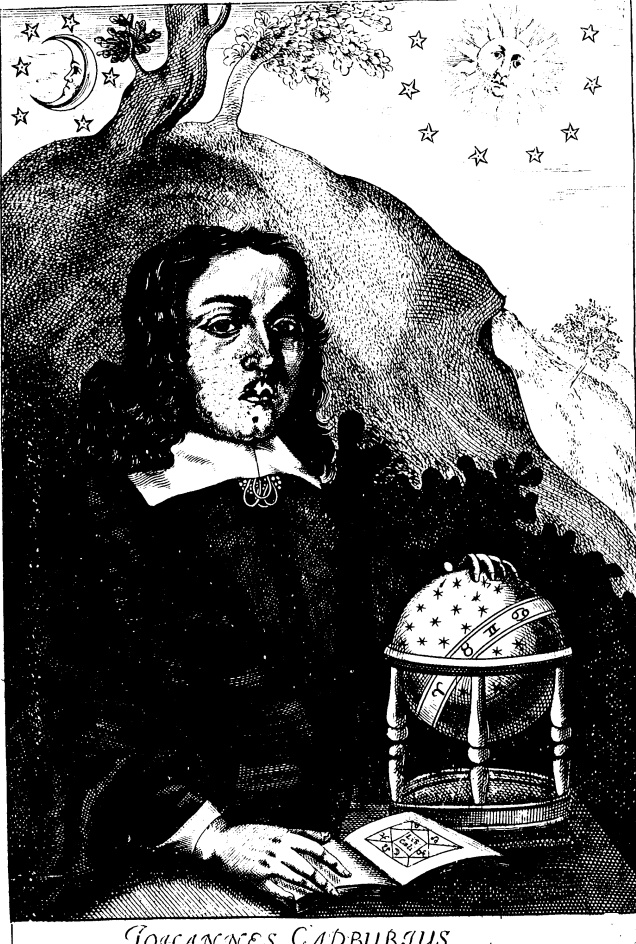
Genethlialogia
John Gadbury | 1658
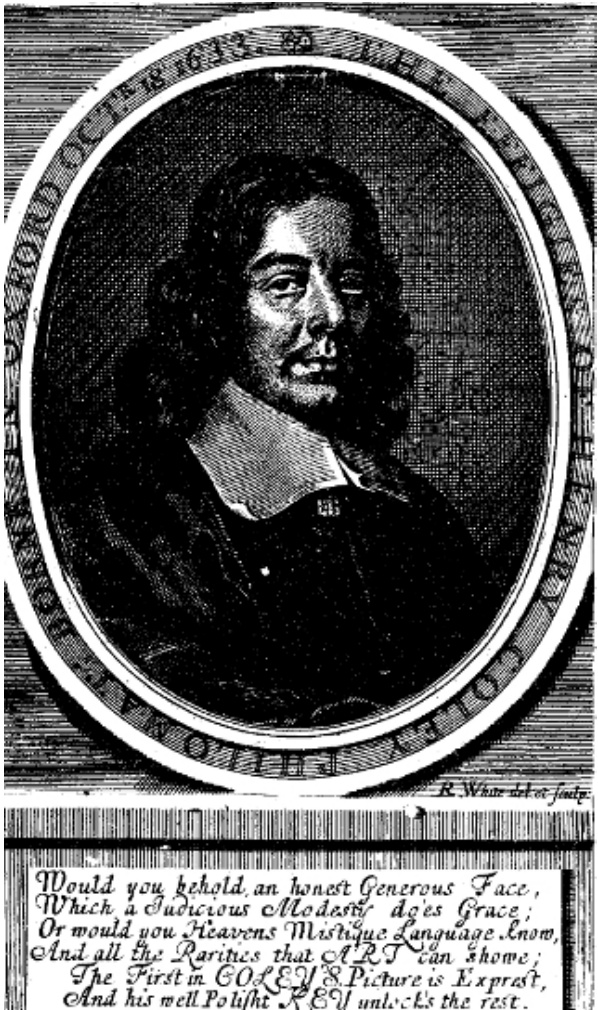
Clavis Astrologiae Elimata
Henry Coley | 1669

The Signature of All Things
Jacob Boehme | 1621
The Influence of the Stars
Rosa Baughan | 1880

Balder the Beautiful, Volume I
James George Frazer | 1913
Chuang Tzu
Zhuangzi (Chuang Tzu) | 300
The Complete Book of Fortune
Anonymous | 1930
Manual of Astrology
Raphael (Robert Cross Smith) | 1828
Solomon and Solomonic Literature
Moncure Daniel Conway | 1898
Demonologia
J. S. Forsyth | 1827
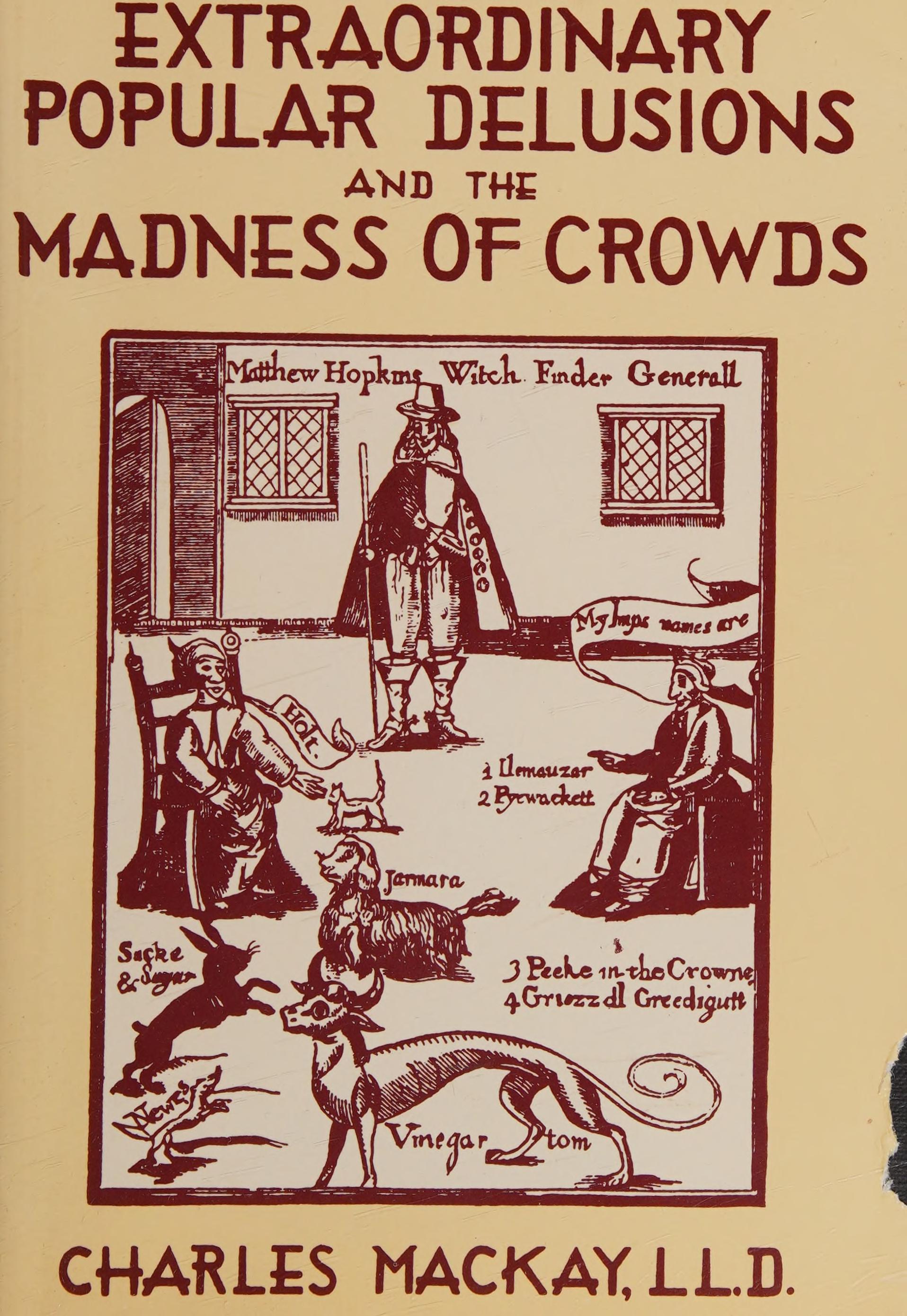
Extraordinary Popular Delusions
Charles Mackay | 1841

The Law of Psychic Phenomena
Thomson Jay Hudson | 1893
Hermetic and Alchemical Writings of Paracelsus
Philippus Aureolus Theophrastus Bombast von Hohenheim (Paracelsus) | 1493

Psyche's Task
Sir James George Frazer | 1909

The Holy Kabbalah
Arthur Edward Waite | 1929
Thought Vibration
William Walker Atkinson | 1906

Hastings' Encyclopaedia of Religion and Ethics
James Hastings | 1926
Bible Myths
Thomas William Doane | 1882
Encyclopaedia of Antiquities
Thomas Dudley Fosbroke | 1825
Psychic Self-Defense
Dion Fortune (Violet Mary Firth) | 1930
Indian Palmistry
J. B. Dale | 1895
The Equinox Vol. 1 No. 1
Aleister Crowley | 1909

Curiosities of Superstition
William Henry Davenport Adams | 1882
The Equinox Vol. 1 No. 9
Aleister Crowley | 1913