Astrology
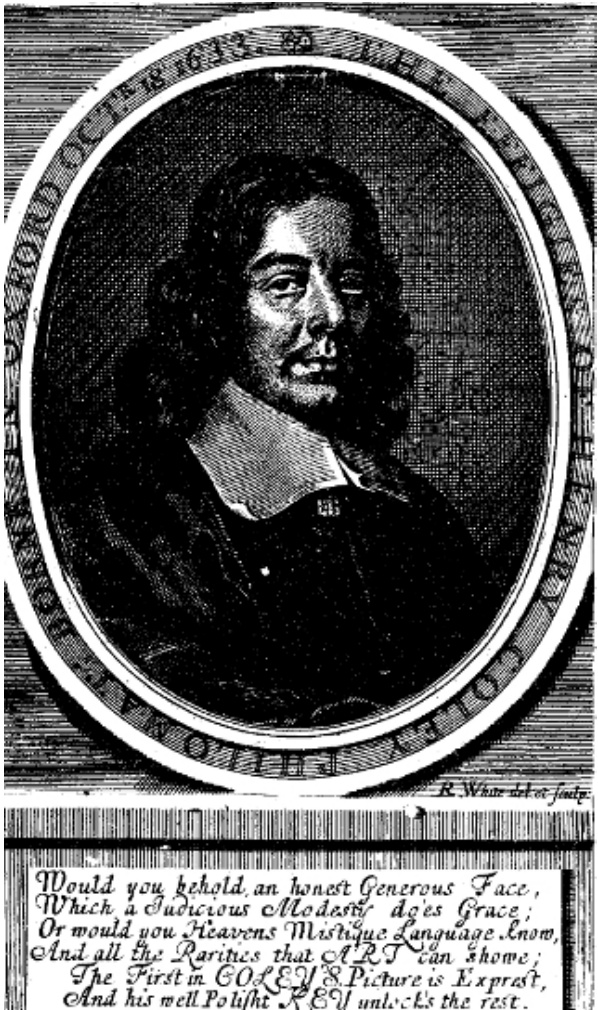
highColey assigns yarrow to Saturn among plants such as hemlock, burdock, fern, nightshade moss, plantain, tamarisk, and barley.
Achillea millefolium
Yarrow appears in Hermetikon as an archive-backed plant entry, with references across historical medical, magical, symbolic, and ritual contexts where the source texts support them.
Identity, safety, and search aliases used to connect this herb to the archive.
May trigger Asteraceae allergy; pregnancy caution is appropriate for medicinal use.
Historical archive citations are not medical advice. Use modern clinical and poison-control sources for ingestion, dosage, pregnancy, and toxicity questions.
Curated archive synthesis of recurring uses, recipes, rituals, and interpretive problems.
Hermetikon's curated reading of Yarrow (Achillea millefolium) is built from 3 source-linked archive notes and 1 preparation or ritual-use entry. The strongest recurring contexts are medicine, folk magic, and astrology. Each note below links back to the archive source used for the claim.
Coley assigns yarrow to Saturn among plants such as hemlock, burdock, fern, nightshade moss, plantain, tamarisk, and barley.
Thiselton-Dyer records a yarrow love-charm, calling the plant nosebleed and using its leaves to tickle the nostrils while reciting lines.
CHAPTER VI. THE HUMAN BODY.
Brewer explains Achillea as yarrow, linking its French name 'carpenter's wort' to wound healing and the Achilles-Chiron plant-virtue legend.
Thiselton-Dyer's yarrow charm uses leaves of the plant called nosebleed to tickle the nostrils while reciting a lover-divination verse.
CHAPTER VI. THE HUMAN BODY.
Compact source patterns from the extracted citation set.
2 passages across 2 books; strongest source: Brewer's Dictionary of Phrase & Fable.
Matched as yarrow; high confidence.
4 passages across 4 books; strongest source: Genethlialogia.
Matched as yarrow; high confidence.
2 passages across 2 books; strongest source: British Goblins.
Matched as yarrow; high confidence.
3 passages across 3 books; strongest source: Clavis Astrologiae Elimata.
Matched as yarrow; high confidence.
1 passage across 1 book; strongest source: Magic and Religion.
Matched as yarrow; high confidence.
Representative public passages with the herb mention highlighted and linked to archive source material.

Complete public source inventory, placed after the interpretive reading so the page opens with the most useful synthesis first.
Culpeper's Complete Herbal
Nicholas Culpeper | 1653
Hastings' Encyclopaedia of Religion and Ethics
James Hastings | 1908
The Family Herbal
John Hill | 1755
Domestic Folk-lore
Thomas Firminger Thiselton-Dyer | 1881
Brewer's Dictionary of Phrase & Fable
E. Cobham Brewer | 1870
Myths and Myth-Makers
John Fiske | 1873
Hastings' Encyclopaedia of Religion and Ethics
James Hastings | 1916
Witchcraft & Second Sight
John Gregorson Campbell | 1902
King's American Dispensatory
Harvey Wickes Felter | 1854
Hastings' Encyclopaedia of Religion and Ethics
James Hastings | 1913
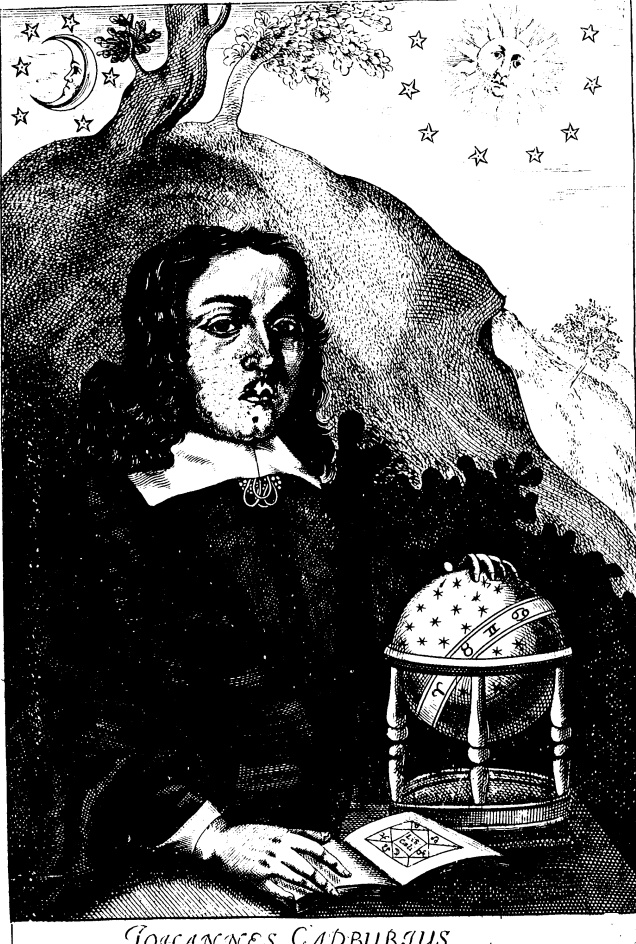
Genethlialogia
John Gadbury | 1658
Magic and Religion
Andrew Lang | 1901
Religions of Primitive Peoples
Daniel Garrison Brinton | 1897
Clavis Astrologiae Elimata
Henry Coley | 1669
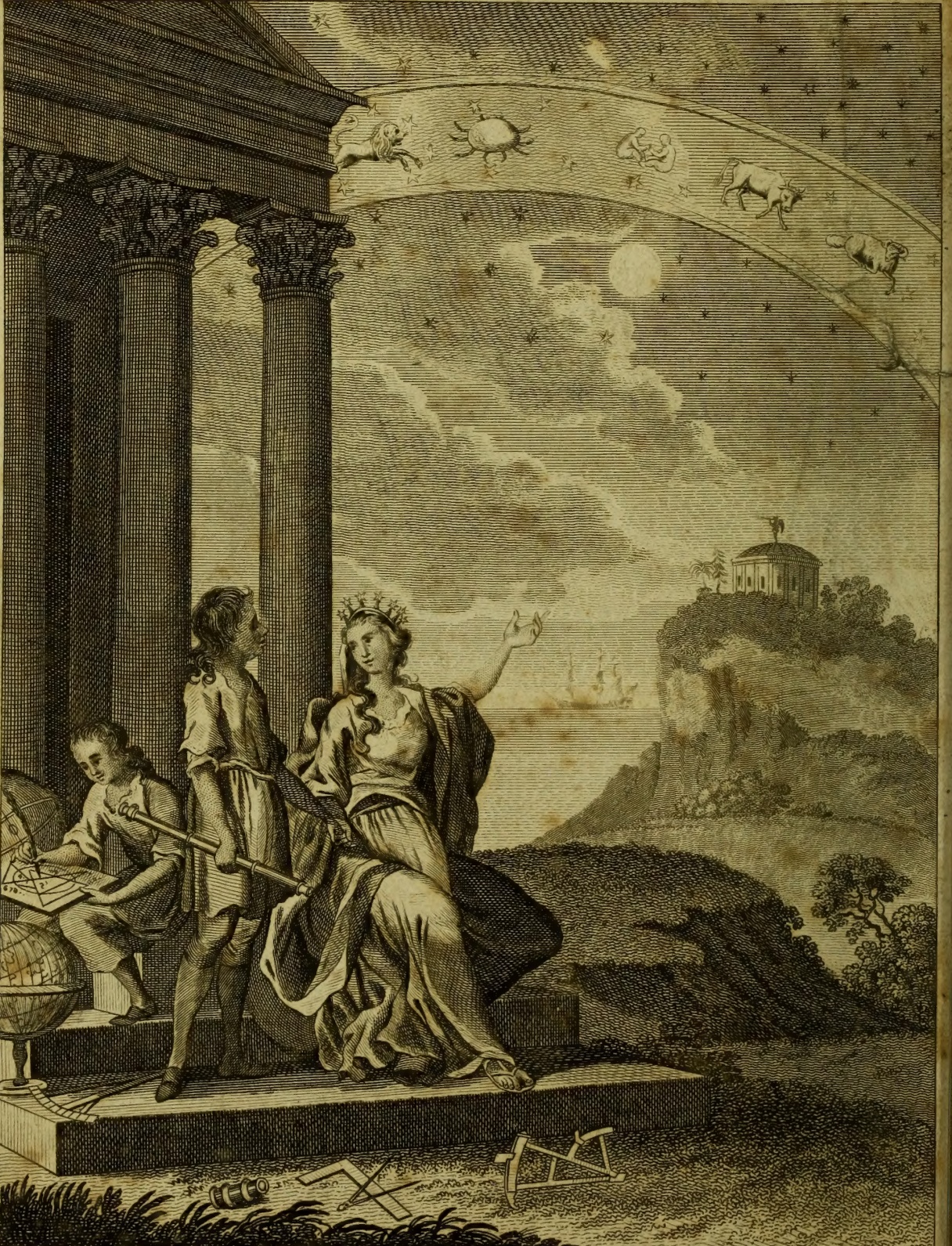
Illustration of the Occult Sciences
Ebenezer Sibly | 1784
British Goblins
Wirt Sikes | 1880
Pow-Wows
John George Hohman | 1820
History of Religions
Crawford Howell Toy | 1913