Preparation
highCulpeper uses black pepper in a compound electuary with aromatics, roots, steel filings prepared with vinegar, sweet almond oil, musk, and honey.
Piper nigrum
Black Pepper appears in Hermetikon as an archive-backed plant entry, with references across historical medical, magical, symbolic, and ritual contexts where the source texts support them.
Identity, safety, and search aliases used to connect this herb to the archive.
Food use is common; concentrated piperine or medicinal use may affect drug metabolism.
Historical archive citations are not medical advice. Use modern clinical and poison-control sources for ingestion, dosage, pregnancy, and toxicity questions.
Curated archive synthesis of recurring uses, recipes, rituals, and interpretive problems.
Hermetikon's curated reading of Black Pepper (Piper nigrum) is built from 3 source-linked archive notes and 2 preparation or ritual-use entries. The strongest recurring contexts are preparations, ritual uses, and identity. Each note below links back to the archive source used for the claim.
Culpeper uses black pepper in a compound electuary with aromatics, roots, steel filings prepared with vinegar, sweet almond oil, musk, and honey.
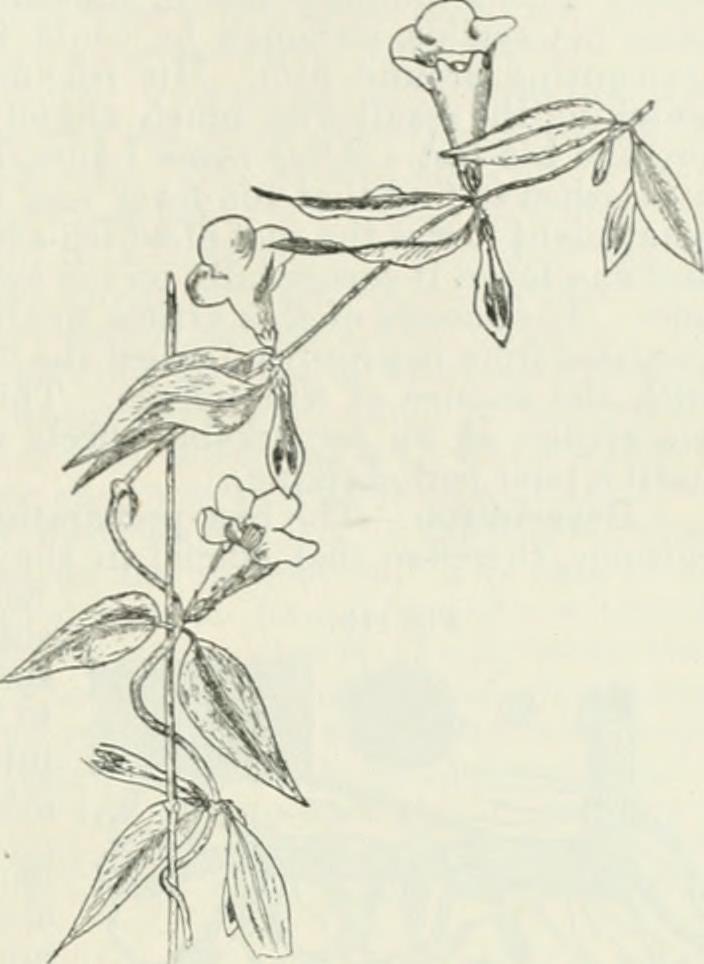
Hill's Black Pepper entry anchors the intended plant as Piper nigrum and describes it as an eastern climbing plant, which helps separate it from other pepper-named plants.
Agrippa's spirit-raising fumigation includes pepper-wort with lignum aloes, storax, musk, saffron, and lapwing blood; this is pepper-name ritual evidence but not securely black pepper.
Culpeper's electuary uses black pepper with myrobalans, aromatics, roots, steel filings, sweet almond oil, musk, and honey.
Agrippa's fume uses pepper-wort in a spirit-working incense; preserve this separately from black pepper because the plant identity differs.
Compact source patterns from the extracted citation set.
1 passage across 1 book; strongest source: The Golden Bough.
Matched as pepper; medium confidence.
4 passages across 4 books; strongest source: Fourth Book & Magical Treatises.
Matched as pepper; medium confidence.
3 passages across 3 books; strongest source: Aradia.
Matched as pepper; medium confidence.
4 passages across 4 books; strongest source: Culpeper's Complete Herbal.
Matched as black pepper; high confidence.
1 passage across 1 book; strongest source: The Golden Bough.
Matched as pepper; medium confidence.
1 passage across 1 book; strongest source: Liber 777.
Matched as black pepper; high confidence.
Representative public passages with the herb mention highlighted and linked to archive source material.

Complete public source inventory, placed after the interpretive reading so the page opens with the most useful synthesis first.
Culpeper's Complete Herbal
Nicholas Culpeper | 1653
King's American Dispensatory
Harvey Wickes Felter | 1854
The Family Herbal
John Hill | 1755
Encyclopaedia of Antiquities
Thomas Dudley Fosbroke | 1825
Anatomy of Melancholy
Robert Burton | 1621

The Golden Bough
James George Frazer | 1906

Jungle Ways
William Seabrook | 1930
Brewer's Dictionary of Phrase & Fable
E. Cobham Brewer | 1870

Ritual and Belief
A.W. Buckland | 1891
The Golden Bough
James George Frazer | 1906

Psyche's Task
Sir James George Frazer | 1909
Pow-Wows
John George Hohman | 1820
Liber 777
Aleister Crowley | 1909
Ten Thousand Dreams Interpreted
Gustavus Hindman Miller | 1901
Proofs of a Conspiracy
John Robison | 1797
Isis Unveiled Vol. 1
Helena Petrovna Blavatsky | 1877
Hastings' Encyclopaedia of Religion and Ethics
James Hastings | 1916

The Discoverie of Witchcraft
Reginald Scot | 1584
The Golden Bough
James George Frazer | 1912
Religions of Primitive Peoples
Daniel Garrison Brinton | 1897
Witch Stories
E. Lynn Linton | 1861
The Golden Bough
James George Frazer | 1890
Hermetic and Alchemical Writings of Paracelsus
Philippus Aureolus Theophrastus Bombast von Hohenheim (Paracelsus) | 1493
Hastings' Encyclopaedia of Religion and Ethics
James Hastings | 1913
Signs and Symbols of Primordial Man
Albert Churchward | 1910
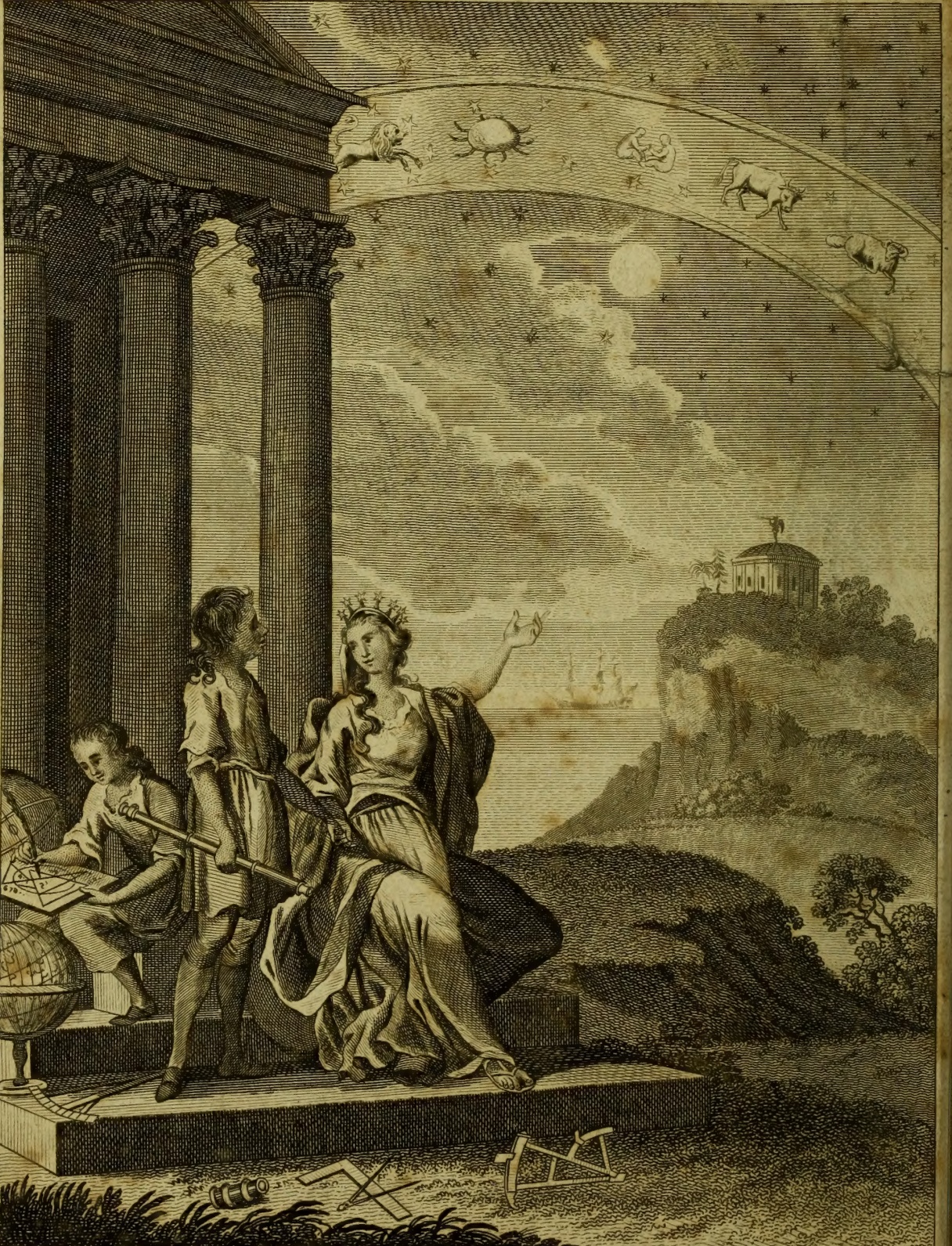
Illustration of the Occult Sciences
Ebenezer Sibly | 1784
Mythology of All Races (Vol 11)
Hartley Burr Alexander | 1920

Mystic London
Charles Maurice Davies | 1875

Manual of Astrology
Raphael (Robert Cross Smith) | 1828
The Book of Witches
Unknown Author (Historical Compilation) | 1900
Primitive Manners & Customs
James Anson Farrer | 1879
The Evil Eye
Frederick Thomas Elworthy | 1895
Modern Magic
Angelo John Lewis | 1876
Three Books of Occult Philosophy
Heinrich Cornelius Agrippa von Nettesheim | 1533

Aradia
Charles Godfrey Leland | 1899
The Golden Bough
James George Frazer | 1906
A World of Wonders
James Grant | 1845
An Introduction to Mythology
George W. Cox | 1873
Thaumaturgia
Richard Harris Dalton Barham | 1835
Clavis Astrologiae Elimata
Henry Coley | 1669
The Magus (Vol 1)
Francis Barrett | 1801
Encyclopaedia of Occultism
Lewis Spence | 1920
The Golden Bough
James George Frazer | 1913

Fourth Book & Magical Treatises
Heinrich Cornelius Agrippa (attributed) | 1655
Fourth Book of Occult Philosophy
Pseudo-Agrippa | 1565
The Book of Enoch
R. H. Charles (Translator) | 200 BCE

A Vision
William Butler Yeats | 1925

Varieties of Religious Experience
William James | 1902
Demonologia
J. S. Forsyth | 1827
Primitive Culture Vol 1
Edward B. Tylor | 1871
Christian Astrology
William Lilly | 1647
Hastings' Encyclopaedia of Religion and Ethics
James Hastings | 1908
The Complete Book of Fortune
Anonymous | 1930
The Magus (Vol 2)
Francis Barrett | 1801
Extraordinary Popular Delusions
Charles Mackay | 1841
Isis Unveiled, Vol. 2: Theology
Helena Petrovna Blavatsky | 1877
Hastings' Encyclopaedia of Religion and Ethics
James Hastings | 1918
Book of Black Magic
Arthur Edward Waite | 1898

Guide for the Perplexed
Moses Maimonides | 1190