Medicine
highCulpeper treats red rose-water as cooling and cordial, used in food, broths, temple-washing, scent, vapour, and eye inflammation.
Rosa gallica
Rose appears in Hermetikon as an archive-backed plant entry, with references across historical medical, magical, symbolic, and ritual contexts where the source texts support them.
Identity, safety, and search aliases used to connect this herb to the archive.
Food and aromatic use are generally low concern; essential oils and extracts require separate handling.
Historical archive citations are not medical advice. Use modern clinical and poison-control sources for ingestion, dosage, pregnancy, and toxicity questions.
Curated archive synthesis of recurring uses, recipes, rituals, and interpretive problems.
Hermetikon's curated reading of Rose (Rosa gallica) is built from 3 source-linked archive notes and 2 preparation or ritual-use entries. The strongest recurring contexts are medicine, folk magic, and symbolism. Each note below links back to the archive source used for the claim.
Culpeper treats red rose-water as cooling and cordial, used in food, broths, temple-washing, scent, vapour, and eye inflammation.
Spence preserves rose omens: white autumn roses could signify early marriage, rose leaves could be used in lover divination, and rose leaves on fire gave good luck.
Frazer links the red rose to Aphrodite and Adonis, explaining its colour through Aphrodite's blood after her lover's wounding.
Chapter X. The Gardens of Adonis.
Culpeper describes red rose-water for food, broths, temple washing, scenting, perfuming vapours, and bathing inflamed eyes.
King's gives syrup of red rose petals as a pleasant subastringent flavoring and coloring agent.
Compact source patterns from the extracted citation set.
1 passage across 1 book; strongest source: Encyclopaedia of Occultism.
Matched as red rose; high confidence.
6 passages across 6 books; strongest source: Liber 777.
Matched as rose; high confidence.
6 passages across 6 books; strongest source: Culpeper's Complete Herbal.
Matched as red rose; high confidence.
2 passages across 2 books; strongest source: The Golden Bough.
Matched as red rose; high confidence.
Representative public passages with the herb mention highlighted and linked to archive source material.
Complete public source inventory, placed after the interpretive reading so the page opens with the most useful synthesis first.
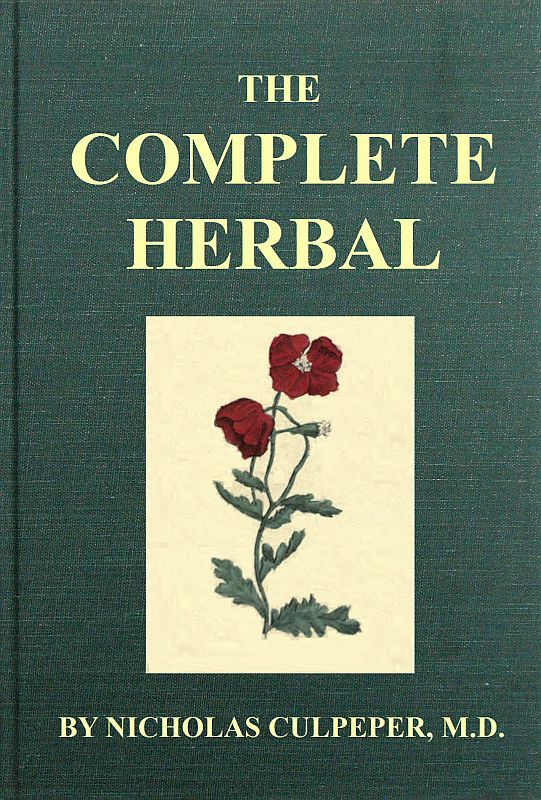
Culpeper's Complete Herbal
Nicholas Culpeper | 1653
A Book of Myths
Andrew Lang | 1889
Argonautica
Apollonius Rhodius | 250

The Gospel of Buddha
Paul Carus | 1894
The Mathnawi
R. A. Nicholson | 1925
Brewer's Dictionary of Phrase & Fable
E. Cobham Brewer | 1870
The Mathnawi, Vol. 2
R. A. Nicholson | 1926
Anatomy of Melancholy
Robert Burton | 1621
The Family Herbal
John Hill | 1755
Encyclopaedia of Antiquities
Thomas Dudley Fosbroke | 1825
Extraordinary Popular Delusions
Charles Mackay | 1841
Ten Thousand Dreams Interpreted
Gustavus Hindman Miller | 1901
King's American Dispensatory
Harvey Wickes Felter | 1854
Encyclopaedia of Occultism
Lewis Spence | 1920
The Equinox Vol. 1 No. 3
Aleister Crowley | 1910
The Equinox Vol. 1 No. 2
Aleister Crowley | 1909
The Golden Bough
James George Frazer | 1907
Student's Mythology
Catherine Ann White | 1873
Transcendental Magic
Éliphas Lévi (Alphonse Louis Constant) | 1856
The Chemical Wedding
Johann Valentin Andreae (attributed) | 1616
The Equinox Vol. 1 No. 1
Aleister Crowley | 1909
Secret Symbols of the Rosicrucians
Anonymous (Attributed to multiple authors) | 1785
The Discoverie of Witchcraft
Reginald Scot | 1584
British Goblins
Wirt Sikes | 1880
The Magus (Vol 1)
Francis Barrett | 1801
The Equinox Vol. 1 No. 6
Aleister Crowley | 1911
The Golden Bough
James George Frazer | 1890
Liber 777
Aleister Crowley | 1909
The Equinox Vol. 1 No. 10
Aleister Crowley | 1913
The Rosicrucians
Hargrave Jennings | 1870
Five Books of Mystery
John Dee | 1564
Outline of Occult Science
Rudolf Steiner | 1909
Primitive Culture Vol 1
Edward B. Tylor | 1871
The Equinox Vol. 1 No. 7
Aleister Crowley | 1912
Hastings' Encyclopaedia of Religion and Ethics
James Hastings | 1916
Balder the Beautiful, Volume I
James George Frazer | 1913
The Equinox Vol. 1 No. 5
Aleister Crowley | 1911
The Secret Doctrine, Vol. 3
Helena Petrovna Blavatsky | 1897
Transcendental Magic
Eliphas Levi | 1854
Illustration of the Occult Sciences
Ebenezer Sibly | 1784
Hastings' Encyclopaedia of Religion and Ethics
James Hastings | 1908
Demonology and Devil-lore
Moncure Daniel Conway | 1879
The Age of Fable
Thomas Bulfinch | 1855
The Secret Doctrine Index
H. P. Blavatsky | 1897
The Crowd
Gustave Le Bon | 1895
Fact and Fable in Psychology
Joseph Jastrow | 1900
Bible Myths
Thomas William Doane | 1882
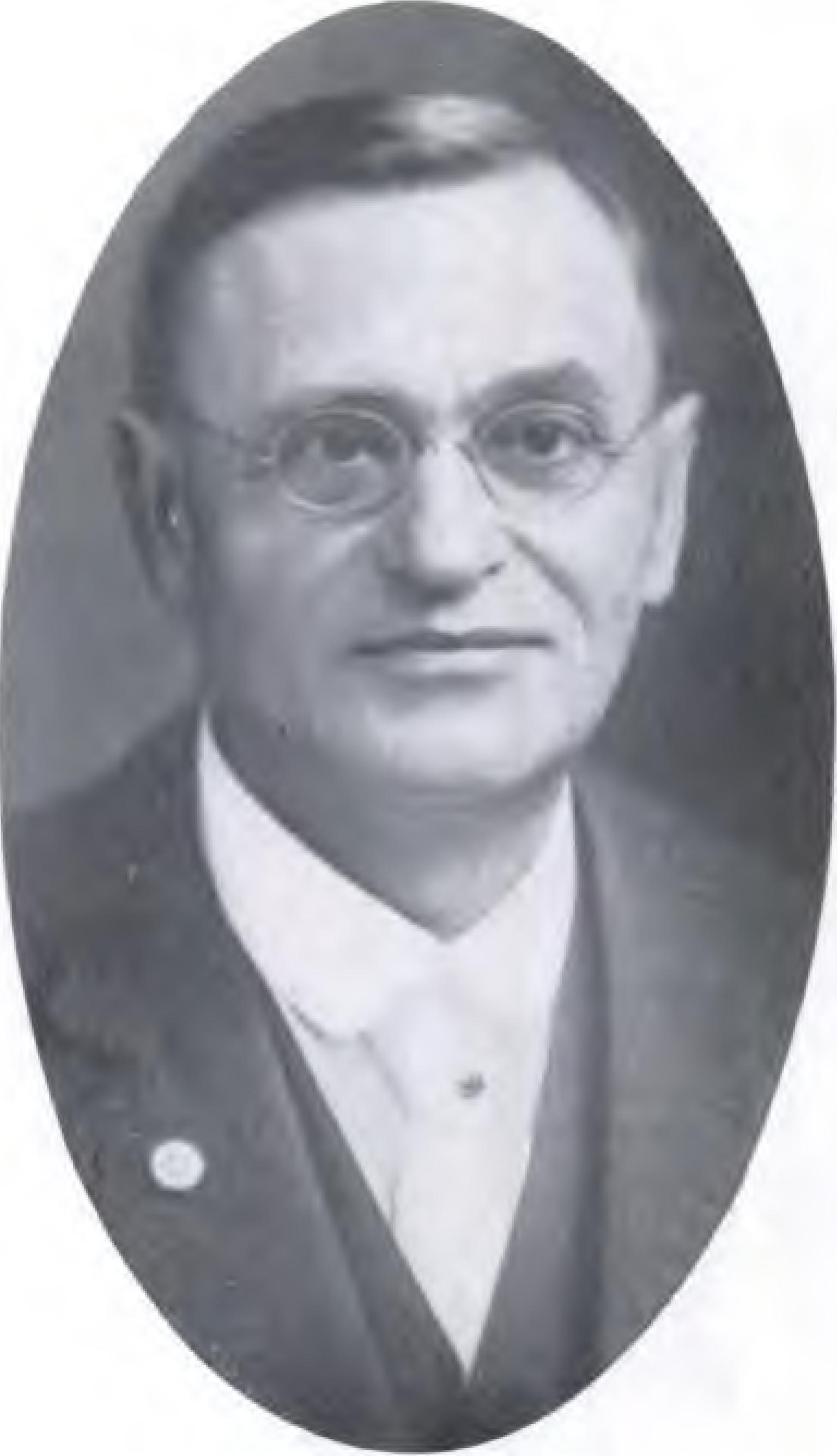
Rosicrucian Cosmo-Conception
Max Heindel | 1909
Mythology of All Races (Vol 11)
Hartley Burr Alexander | 1920
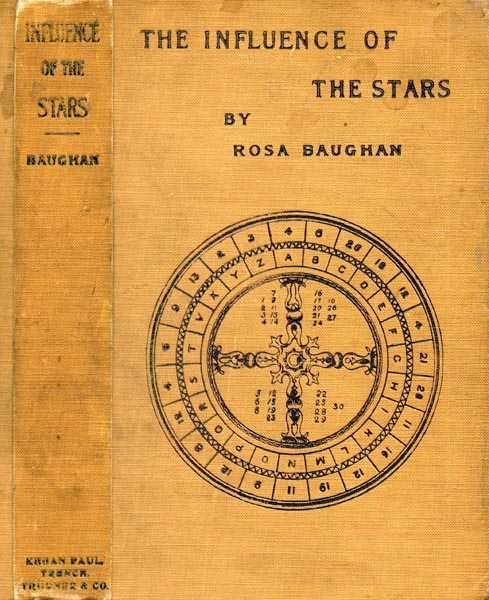
The Influence of the Stars
Rosa Baughan | 1880
Myths of the Norsemen
Anonymous | 1200
Metamorphoses (Books I-VII)
Ovid (Publius Ovidius Naso) | 8
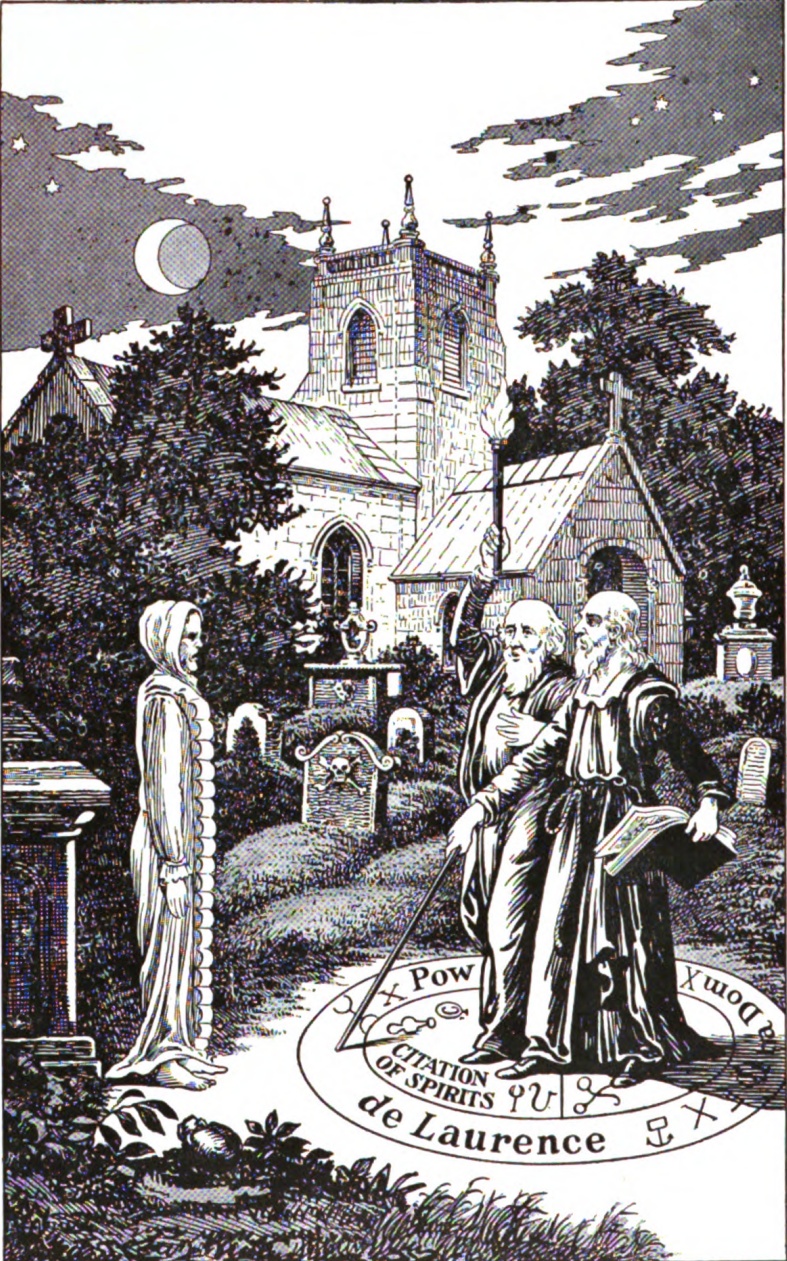
Book of Black Magic
Arthur Edward Waite | 1898
Human Animals
Frank Hamel | 1915
The Equinox Vol. 1 No. 8
Aleister Crowley | 1912
Mysteries of All Nations
James Grant | 1880
The King in Yellow
Robert W. Chambers | 1895
Strange Pages from Family Papers
Thomas Firminger Thiselton-Dyer | 1887
Metamorphoses (Books VIII-XV)
Publius Ovidius Naso (Ovid) | 8
Myths and Dreams
Edward Clodd | 1885

Civilization and Its Discontents
Sigmund Freud | 1930
Hastings' Encyclopaedia of Religion and Ethics
James Hastings | 1913

Curiosities of Superstition
William Henry Davenport Adams | 1882
The Golden Bough
James George Frazer | 1906
Zanoni
Edward Bulwer-Lytton | 1842
Varieties of Religious Experience
William James | 1902

The Interpretation of Dreams
Various Esoteric Authors | 1910
History of Witchcraft and Demonology
Montague Summers | 1926
Salem Witchcraft
Various Historians | 1892
Psychic Self-Defense
Dion Fortune (Violet Mary Firth) | 1930
Mythology of Greece and Rome
Otto Seemann | 1881

The Holy Kabbalah
Arthur Edward Waite | 1929
Tertium Organum
P. D. Ouspensky | 1912
Sacred Magic of Abramelin, Book 2
Abraham von Worms (Attributed Author) | 1458
Kabbalah Unveiled
Anonymous (Medieval Kabbalists) | 1300 BCE