Identity
mediumHill explicitly separates water plantain from true plantain, saying it has little resemblance except in the leaves; this supports keeping Plantago evidence distinct from lookalikes.
Plantago major
Plantain appears in Hermetikon as an archive-backed plant entry, with references across historical medical, magical, symbolic, and ritual contexts where the source texts support them.
Identity, safety, and search aliases used to connect this herb to the archive.
Generally low concern; allergy is possible.
Historical archive citations are not medical advice. Use modern clinical and poison-control sources for ingestion, dosage, pregnancy, and toxicity questions.
Curated archive synthesis of recurring uses, recipes, rituals, and interpretive problems.
Hermetikon's curated reading of Plantain (Plantago major) is built from 3 source-linked archive notes and 2 preparation or ritual-use entries. The strongest recurring contexts are medicine and identity. Each note below links back to the archive source used for the claim.
Hill explicitly separates water plantain from true plantain, saying it has little resemblance except in the leaves; this supports keeping Plantago evidence distinct from lookalikes.
Hill preserves the practical use of bruised plantain leaves applied to inflammations, while cautioning that the cooling application is not always right.
Frazer's plantain-stem and banana passages are ritual evidence for banana plantain, not Plantago major, so this archive thread is separate from greater plantain materia medica.
§ 6. Hunters and Fishers tabooed.
Hill notes the custom of applying bruised plantain leaves to inflammations for cooling ease, while warning that it is not always appropriate.
Frazer's plantain-stem rite concerns banana plantain used for ritual cleansing after taboo, not the Plantago herb.
§ 6. Hunters and Fishers tabooed.
Compact source patterns from the extracted citation set.
3 passages across 3 books; strongest source: King's American Dispensatory.
Matched as plantain; medium confidence.
1 passage across 1 book; strongest source: The Golden Bough.
Matched as plantain; medium confidence.
6 passages across 6 books; strongest source: Ritual and Belief.
Matched as plantain; medium confidence.
2 passages across 2 books; strongest source: The Golden Bough.
Matched as plantain; medium confidence.
2 passages across 2 books; strongest source: Culpeper's Complete Herbal.
Matched as plantain; medium confidence.
Representative public passages with the herb mention highlighted and linked to archive source material.
Complete public source inventory, placed after the interpretive reading so the page opens with the most useful synthesis first.
Culpeper's Complete Herbal
Nicholas Culpeper | 1653
The Golden Bough
James George Frazer | 1890
Hastings' Encyclopaedia of Religion and Ethics
James Hastings | 1908
The Golden Bough
James George Frazer | 1912
The Golden Bough
James George Frazer | 1906
The Family Herbal
John Hill | 1755
The Golden Bough
James George Frazer | 1906
King's American Dispensatory
Harvey Wickes Felter | 1854
The Golden Bough
James George Frazer | 1890
The Golden Bough
James George Frazer | 1913

The Gospel of Buddha
Paul Carus | 1894
The Golden Bough
James George Frazer | 1906
Psyche's Task
Sir James George Frazer | 1909
Tradition and Mythology
Lord Arundell of Wardour (John Francis Arundell) | 1872

Ritual and Belief
A.W. Buckland | 1891
Primitive Manners & Customs
James Anson Farrer | 1879
Hastings' Encyclopaedia of Religion and Ethics
James Hastings | 1916
Anatomy of Melancholy
Robert Burton | 1621

Human Animals
Frank Hamel | 1915
Hastings' Encyclopaedia of Religion and Ethics
James Hastings | 1913
The Golden Bough
James George Frazer | 1913
The Serpent Power
Arthur Avalon (Sir John Woodroffe) | 1919
The Golden Bough
James George Frazer | 1890
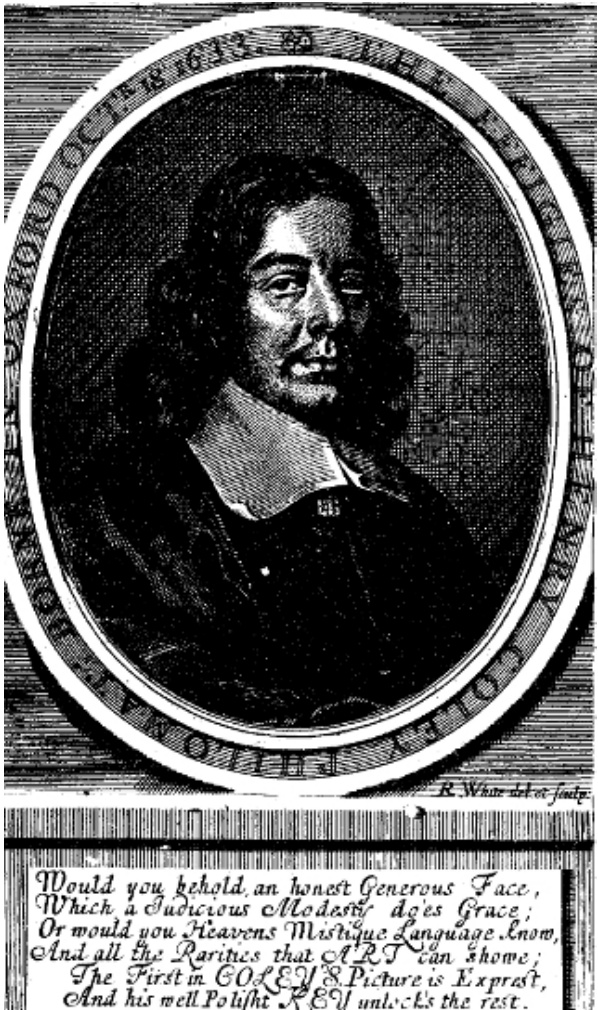
Clavis Astrologiae Elimata
Henry Coley | 1669
Three Books of Occult Philosophy
Heinrich Cornelius Agrippa von Nettesheim | 1533
Miscellanies
John Aubrey | 1696