Preparation
mediumKing's American Dispensatory gives coffee as a pharmaceutical syrup flavor, including a Java coffee syrup made by percolating coffee with hot water and dissolving sugar in the percolate.
Coffea arabica
Coffee appears in Hermetikon as an archive-backed plant entry, with references across historical medical, magical, symbolic, and ritual contexts where the source texts support them.
Identity, safety, and search aliases used to connect this herb to the archive.
Caffeine sensitivity, pregnancy, sleep, anxiety, and stimulant interactions are relevant.
Historical archive citations are not medical advice. Use modern clinical and poison-control sources for ingestion, dosage, pregnancy, and toxicity questions.
Curated archive synthesis of recurring uses, recipes, rituals, and interpretive problems.
Hermetikon's curated reading of Coffee (Coffea arabica) is built from 3 source-linked archive notes and 2 preparation or ritual-use entries. The strongest recurring contexts are preparations, ritual uses, and identity. Each note below links back to the archive source used for the claim.
King's American Dispensatory gives coffee as a pharmaceutical syrup flavor, including a Java coffee syrup made by percolating coffee with hot water and dissolving sugar in the percolate.
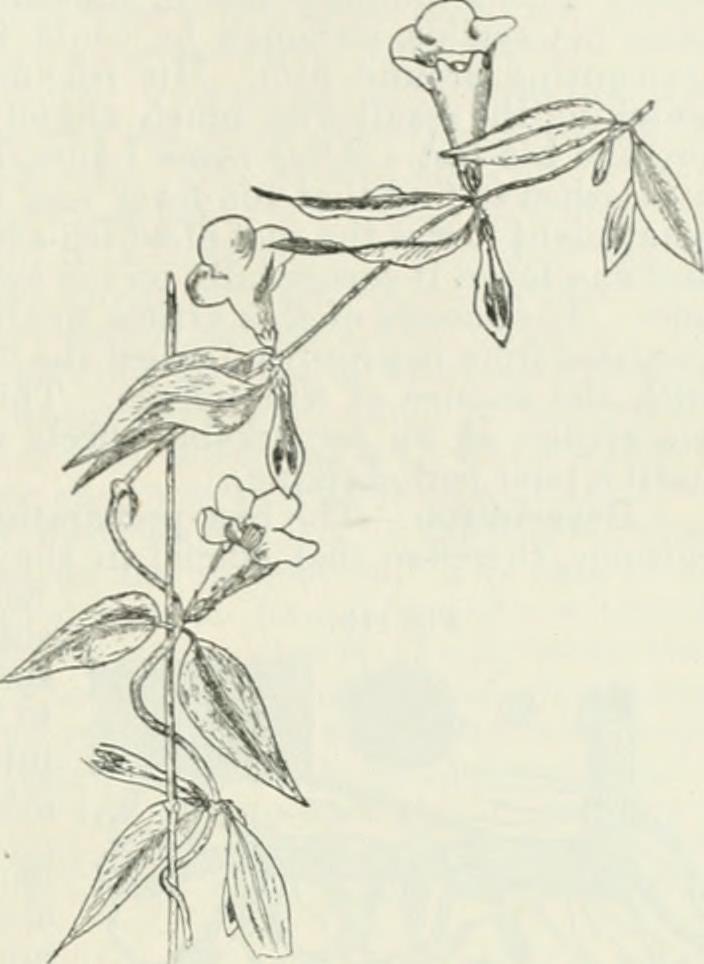
Hill's coffee entry is botanical rather than occult: it describes the coffee-tree as an eastern shrub with bay-like leaves, jasmine-like white flowers, and fruit.
Hastings records Baganda river-crossing offerings in which coffee berries are thrown into the water after asking the spirit for safe passage.
King's prepares syrup of coffee by percolating Java coffee with hot water and dissolving sugar in the resulting percolate.
Hastings records coffee berries thrown into water after a request to the river spirit for safe passage.
Compact source patterns from the extracted citation set.
6 passages across 6 books; strongest source: Encyclopaedia of Occultism.
Matched as coffee; medium confidence.
5 passages across 5 books; strongest source: Hastings' Encyclopaedia of Religion and Ethics.
Matched as coffee; medium confidence.
3 passages across 3 books; strongest source: Brewer's Dictionary of Phrase & Fable.
Matched as coffee; medium confidence.
Representative public passages with the herb mention highlighted and linked to archive source material.
Complete public source inventory, placed after the interpretive reading so the page opens with the most useful synthesis first.
Myths of the Cherokee
James Mooney | 1900
Encyclopaedia of Antiquities
Thomas Dudley Fosbroke | 1825
Brewer's Dictionary of Phrase & Fable
E. Cobham Brewer | 1870
The Equinox Vol. 1 No. 1
Aleister Crowley | 1909
Error's Chains
Frank S. Dobbins | 1883
King's American Dispensatory
Harvey Wickes Felter | 1854
Magic & Miracles
T. Adolphus Trollope | 1848
Proofs of a Conspiracy
John Robison | 1797
Hastings' Encyclopaedia of Religion and Ethics
James Hastings | 1913
Ten Thousand Dreams Interpreted
Gustavus Hindman Miller | 1901
Anatomy of Melancholy
Robert Burton | 1621
Jungle Ways
William Seabrook | 1930
The Evil Eye
Frederick Thomas Elworthy | 1895
Hastings' Encyclopaedia of Religion and Ethics
James Hastings | 1918
Principia Discordia
Malaclypse the Younger (Gregory Hill) | 1963
The Equinox Vol. 1 No. 3
Aleister Crowley | 1910
Mysteries of All Nations
James Grant | 1880
Encyclopaedia of Occultism
Lewis Spence | 1920
Extraordinary Popular Delusions
Charles Mackay | 1841
Mystic London
Charles Maurice Davies | 1875
The King in Yellow
Robert W. Chambers | 1895
The Family Herbal
John Hill | 1755
The Golden Bough
James George Frazer | 1906
The Golden Bough
James George Frazer | 1890
Rosicrucian Cosmo-Conception
Max Heindel | 1909
Hastings' Encyclopaedia of Religion and Ethics
James Hastings | 1916
Isis Unveiled, Vol. 2: Theology
Helena Petrovna Blavatsky | 1877

Ritual and Belief
A.W. Buckland | 1891
Pow-Wows
John George Hohman | 1820
Transcendental Magic
Eliphas Levi | 1854
Transcendental Magic
Éliphas Lévi (Alphonse Louis Constant) | 1856
The Equinox Vol. 1 No. 7
Aleister Crowley | 1912
The Great God Pan
Arthur Machen | 1894
The Rosicrucians
Hargrave Jennings | 1870
Strange Survivals
Sabine Baring-Gould | 1892
History of Witchcraft and Demonology
Montague Summers | 1926
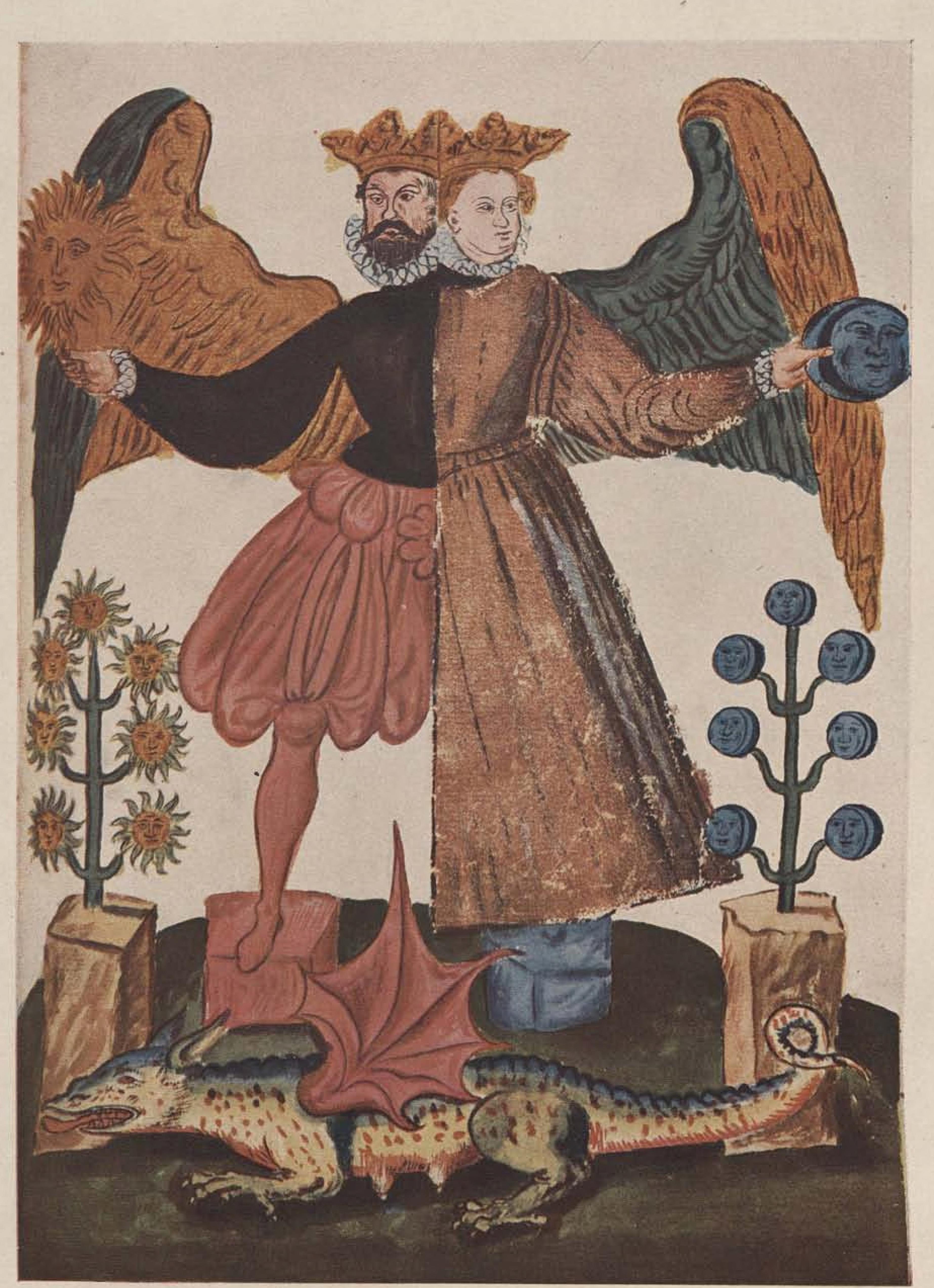
Witchcraft, Magic & Alchemy
Grillot de Givry | 1929
Three Essays
F. Max Müller | 1873
Bulfinch's Mythology
Thomas Bulfinch | 1881
Practical Psychomancy
William Walker Atkinson | 1908
Secrets of Black Arts
Anonymous | 1850
Hastings' Encyclopaedia of Religion and Ethics
James Hastings | 1908
Chips from a German Workshop (Vol 3)
F. Max Müller | 1870
Psyche's Task
Sir James George Frazer | 1909
The Equinox Vol. 1 No. 5
Aleister Crowley | 1911
Modern Magic
Angelo John Lewis | 1876
Isis Unveiled Vol. 1
Helena Petrovna Blavatsky | 1877
Indian Palmistry
J. B. Dale | 1895
Strange Pages from Family Papers
Thomas Firminger Thiselton-Dyer | 1887
Liber 777
Aleister Crowley | 1909
The Equinox Vol. 1 No. 6
Aleister Crowley | 1911

The Interpretation of Dreams
Various Esoteric Authors | 1910

A Vision
William Butler Yeats | 1925
The Complete Book of Fortune
Anonymous | 1930
Salem Witchcraft
Various Historians | 1892
Adventures of a Modern Occultist
Oliver Bland | 1920
Young Folks' Treasury Vol. 2
Hamilton Wright Mabie (ed.) | 1909
Demonologia
J. S. Forsyth | 1827
The Coming of the Fairies
Arthur Conan Doyle | 1922
Bulfinch's Mythology
Thomas Bulfinch | 1855
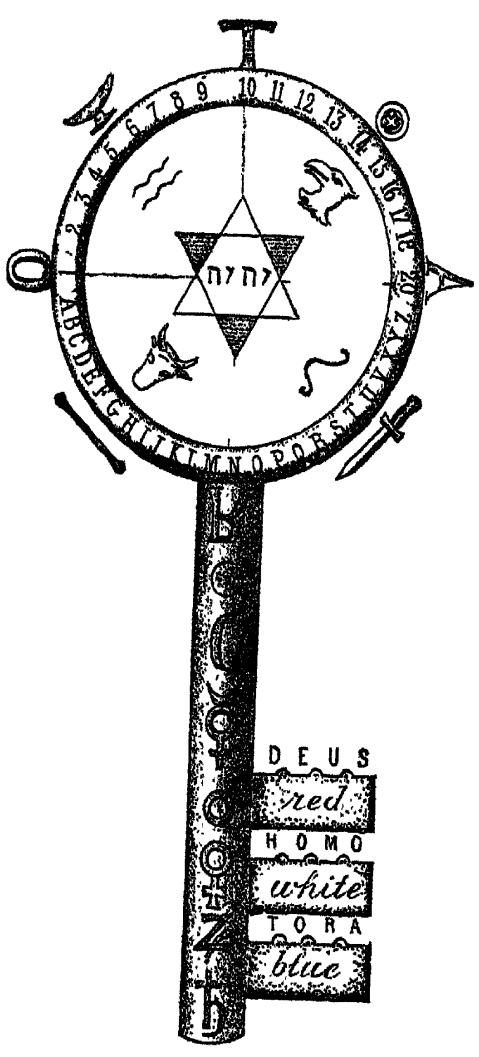
The Tarot of the Bohemians
Papus (Gérard Encausse) | 1889
Book of the Damned
Charles Fort | 1919
The Equinox Vol. 1 No. 8
Aleister Crowley | 1912

Opus Reformatum
John Partridge | 1693
Domestic Folk-lore
Thomas Firminger Thiselton-Dyer | 1881
Lives of Alchemystical Philosophers
Arthur Edward Waite | 1888
The Equinox Vol. 1 No. 2
Aleister Crowley | 1909
The Equinox Vol. 1 No. 9
Aleister Crowley | 1913