Identity
highKing's evidence is specifically horse-chestnut, including oil and powdered nut uses, which separates this archive thread from ordinary edible Castanea chestnut.
Castanea sativa
Chestnut appears in Hermetikon as an archive-backed plant entry, with references across historical medical, magical, symbolic, and ritual contexts where the source texts support them.
Identity, safety, and search aliases used to connect this herb to the archive.
Edible chestnut differs from horse chestnut; medicinal claims depend on confirmed identity.
Historical archive citations are not medical advice. Use modern clinical and poison-control sources for ingestion, dosage, pregnancy, and toxicity questions.
Curated archive synthesis of recurring uses, recipes, rituals, and interpretive problems.
Hermetikon's curated reading of Chestnut (Castanea sativa) is built from 3 source-linked archive notes and 2 preparation or ritual-use entries. The strongest recurring contexts are ritual uses, folk magic, and identity. Each note below links back to the archive source used for the claim.
King's evidence is specifically horse-chestnut, including oil and powdered nut uses, which separates this archive thread from ordinary edible Castanea chestnut.
Frazer records Calabrian Mid-Lent women feasting on figs, chestnuts, and honey in a custom called Sawing the Old Woman.
§ 11. The Magic Spring.
Aradia gives a moonlit love operation using three wild horse-chestnuts hidden in the bed, making this strong ritual evidence but not edible chestnut evidence.
King's describes oil of horse-chestnuts as a European local application, but this is horse-chestnut identity evidence, not edible chestnut use.
Aradia hides three wild horse-chestnuts in the bed under moonlight as a love operation; keep the horse-chestnut distinction visible.
Compact source patterns from the extracted citation set.
1 passage across 1 book; strongest source: The Discoverie of Witchcraft.
Matched as chestnuts; high confidence.
3 passages across 3 books; strongest source: Aradia.
Matched as chestnuts; high confidence.
4 passages across 4 books; strongest source: The Golden Bough.
Matched as chestnuts; high confidence.
5 passages across 5 books; strongest source: Culpeper's Complete Herbal.
Matched as chestnuts; high confidence.
1 passage across 1 book; strongest source: Myths of the Cherokee.
Matched as chestnuts; high confidence.
Representative public passages with the herb mention highlighted and linked to archive source material.
Complete public source inventory, placed after the interpretive reading so the page opens with the most useful synthesis first.
Brewer's Dictionary of Phrase & Fable
E. Cobham Brewer | 1870
King's American Dispensatory
Harvey Wickes Felter | 1854
Myths of the Cherokee
James Mooney | 1900
The King in Yellow
Robert W. Chambers | 1895
History of Witchcraft and Demonology
Montague Summers | 1926
Hermetic and Alchemical Writings of Paracelsus
Philippus Aureolus Theophrastus Bombast von Hohenheim (Paracelsus) | 1493
Culpeper's Complete Herbal
Nicholas Culpeper | 1653
The Golden Bough
James George Frazer | 1907
The Influence of the Stars
Rosa Baughan | 1880
The Golden Bough
James George Frazer | 1906
The Golden Bough
James George Frazer | 1890
Chuang Tzu
Zhuangzi (Chuang Tzu) | 300
The Golden Bough
James George Frazer | 1890
The Golden Bough
James George Frazer | 1913
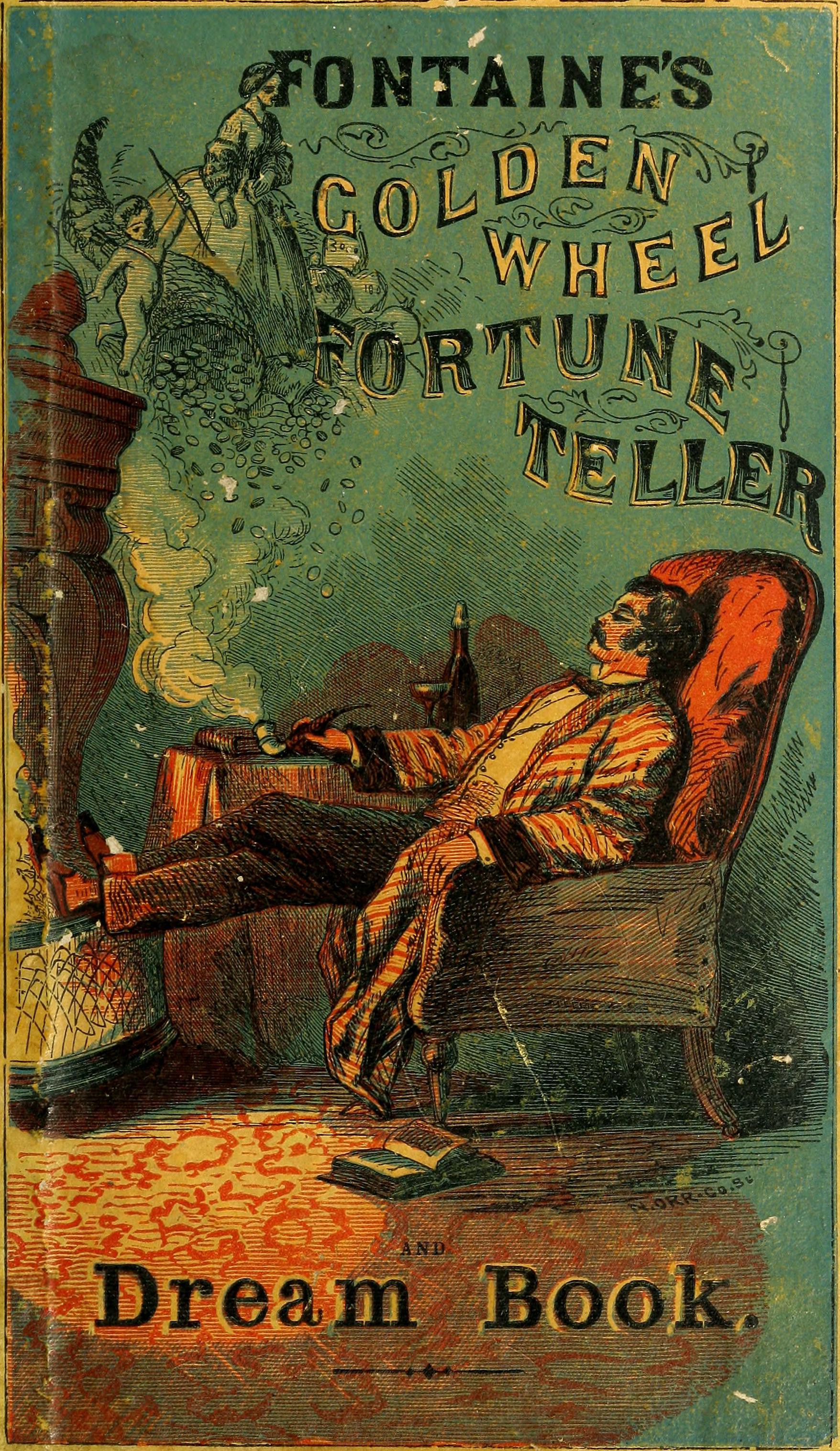
The Complete Book of Fortune
Anonymous | 1930
Human Animals
Frank Hamel | 1915
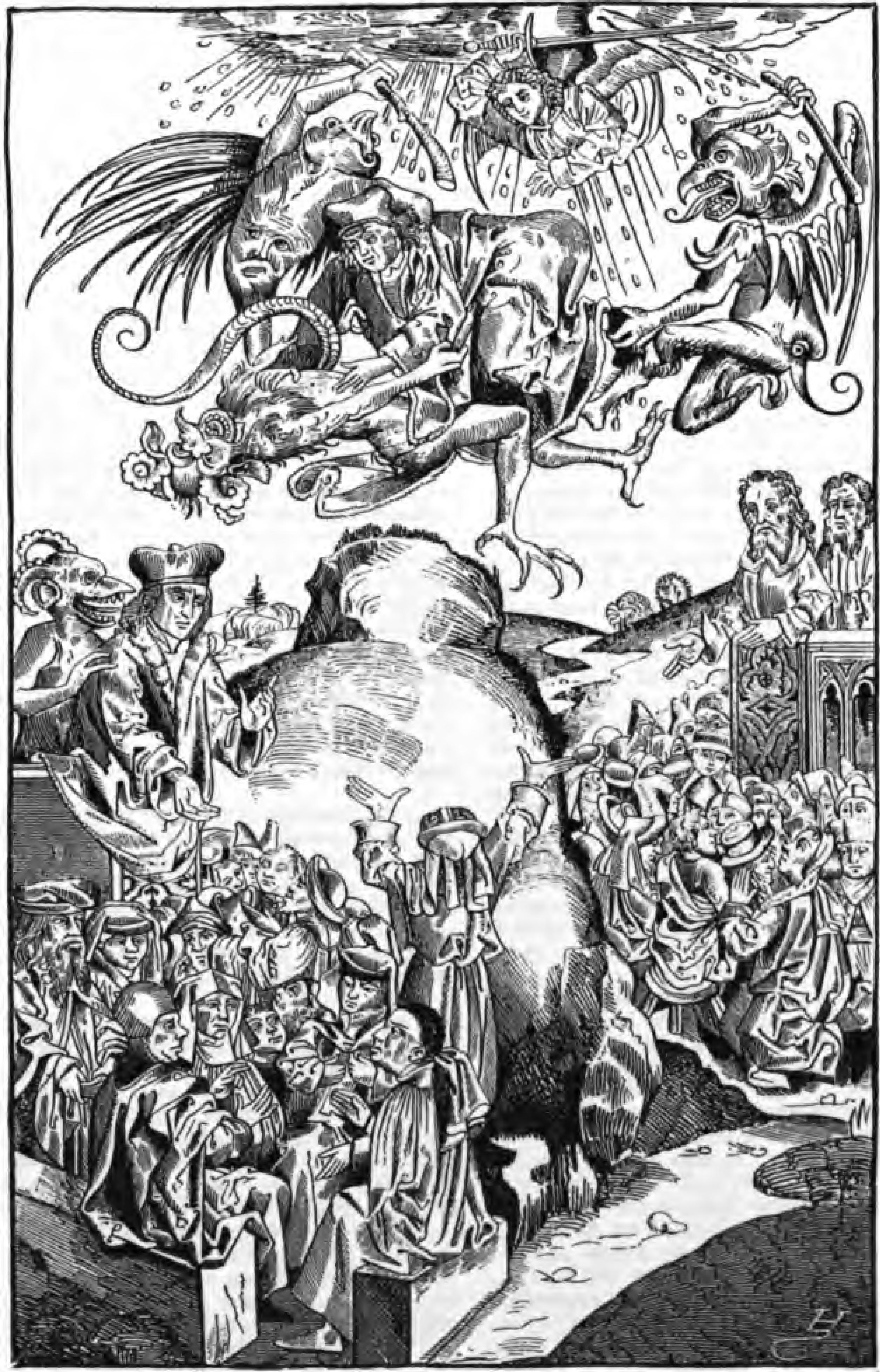
Encyclopaedia of Occultism
Lewis Spence | 1920
Balder the Beautiful, Volume I
James George Frazer | 1913
Anatomy of Melancholy
Robert Burton | 1621
Bulfinch's Mythology
Thomas Bulfinch | 1881
Hastings' Encyclopaedia of Religion and Ethics
James Hastings | 1908
Ten Thousand Dreams Interpreted
Gustavus Hindman Miller | 1901
Hastings' Encyclopaedia of Religion and Ethics
James Hastings | 1913
Salem Witchcraft
Various Historians | 1892
Popular Superstitions, and the Truths Contained Therein
Herbert Mayo | 1851
The Golden Bough
James George Frazer | 1913
The Golden Bough
James George Frazer | 1907
Bulfinch's Mythology
Thomas Bulfinch | 1855
Error's Chains
Frank S. Dobbins | 1883
Compendium Maleficarum
Francesco Maria Guazzo | 1608

Aradia
Charles Godfrey Leland | 1899
Psychic Self-Defense
Dion Fortune (Violet Mary Firth) | 1930
Hastings' Encyclopaedia of Religion and Ethics
James Hastings | 1917
Rosicrucian Cosmo-Conception
Max Heindel | 1909
Signs, Omens and Superstitions
George Lyman Kittredge | 1915
Primitive Culture Vol 1
Edward B. Tylor | 1871
Sixth and Seventh Books of Moses
Anonymous (Attributed to Moses) | 1800
Pow-Wows
John George Hohman | 1820
Primitive Manners & Customs
James Anson Farrer | 1879
Curiosities of Superstition
William Henry Davenport Adams | 1882
The Evil Eye
Frederick Thomas Elworthy | 1895
The Mabinogion
Anonymous (Medieval Welsh authors) | 1300
The Equinox Vol. 1 No. 10
Aleister Crowley | 1913
Myths and Legends of Ancient Greece and Rome
Anonymous Compiler | 1900
Theogony & Works and Days
Hesiod | 700 BCE
The White Spark
H. Stanley Redgrove | 1912
Witchcraft and Superstitious Record
John Maxwell Wood | 1911
Three Books of Occult Philosophy
Heinrich Cornelius Agrippa von Nettesheim | 1533
The Discoverie of Witchcraft
Reginald Scot | 1584
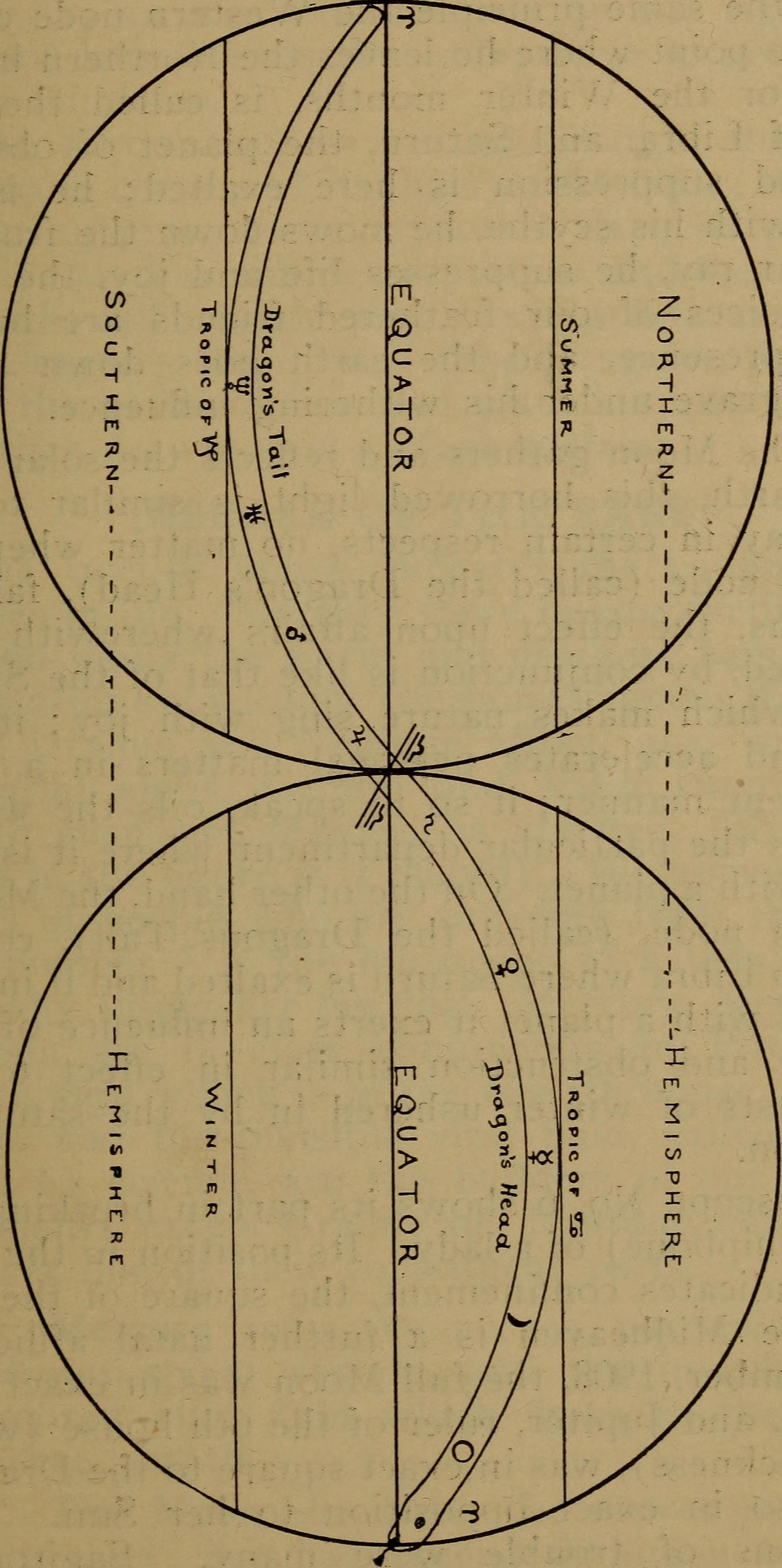
The Message of the Stars
Max Heindel | 1913
The Age of Fable
Thomas Bulfinch | 1855
Magic & Miracles
T. Adolphus Trollope | 1848
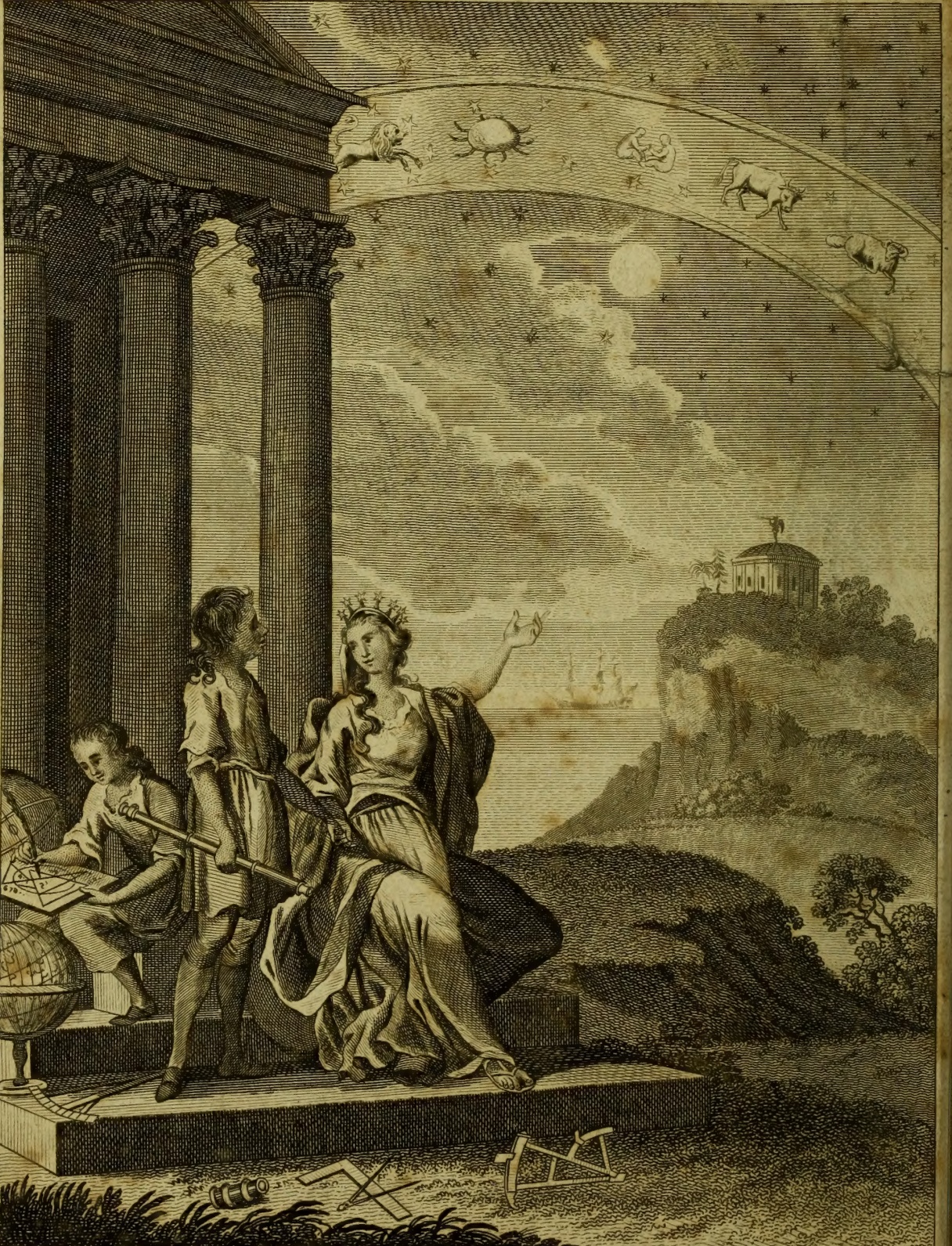
Illustration of the Occult Sciences
Ebenezer Sibly | 1784

Your Place in the Sun
Evangeline Adams | 1927
Philosophumena (Vol 1)
Hippolytus of Rome | 222
The Equinox Vol. 1 No. 7
Aleister Crowley | 1912
The Secret Doctrine, Vol. 3
Helena Petrovna Blavatsky | 1897