Medicine
highHill recommends betony for head and nervous complaints and says it may be taken as tea or dried and powdered.
Stachys officinalis
Betony appears in Hermetikon as an archive-backed plant entry, with references across historical medical, magical, symbolic, and ritual contexts where the source texts support them.
Identity, safety, and search aliases used to connect this herb to the archive.
Modern safety data is limited; medicinal-use cautions remain conservative.
Historical archive citations are not medical advice. Use modern clinical and poison-control sources for ingestion, dosage, pregnancy, and toxicity questions.
Curated archive synthesis of recurring uses, recipes, rituals, and interpretive problems.
Hermetikon's curated reading of Betony (Stachys officinalis) is built from 3 source-linked archive notes and 2 preparation or ritual-use entries. The strongest recurring contexts are medicine, preparations, and identity. Each note below links back to the archive source used for the claim.
Hill recommends betony for head and nervous complaints and says it may be taken as tea or dried and powdered.
Burton cites betony sod in whey and drunk daily among decoctions prescribed for melancholy.
King's citation is mostly alias material around bugleweed, water hoarhound, Paul's betony, and archangel, showing how betony-name evidence can mix several botanical identities.
Hill says betony may be taken as tea or dried and powdered for head and nervous complaints.
Burton includes betony boiled in whey and drunk daily among melancholy decoctions.
Compact source patterns from the extracted citation set.
2 passages across 2 books; strongest source: Culpeper's Complete Herbal.
Matched as betony; high confidence.
12 passages across 7 books; strongest source: Culpeper's Complete Herbal.
Matched as betony; high confidence.
1 passage across 1 book; strongest source: Illustration of the Occult Sciences.
Matched as betony; high confidence.
Representative public passages with the herb mention highlighted and linked to archive source material.
Complete public source inventory, placed after the interpretive reading so the page opens with the most useful synthesis first.
Culpeper's Complete Herbal
Nicholas Culpeper | 1653
Anatomy of Melancholy
Robert Burton | 1621
The Family Herbal
John Hill | 1755
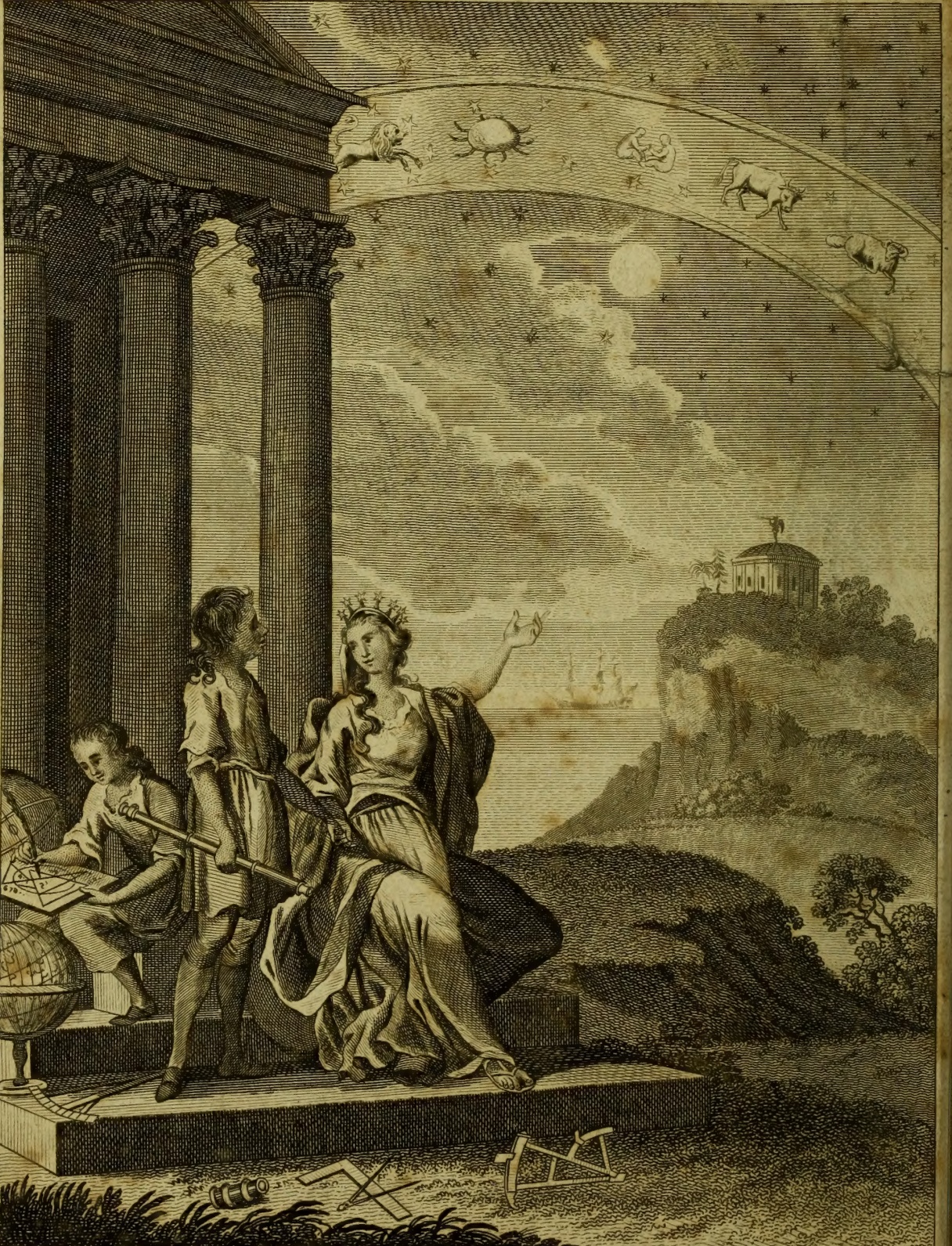
Illustration of the Occult Sciences
Ebenezer Sibly | 1784
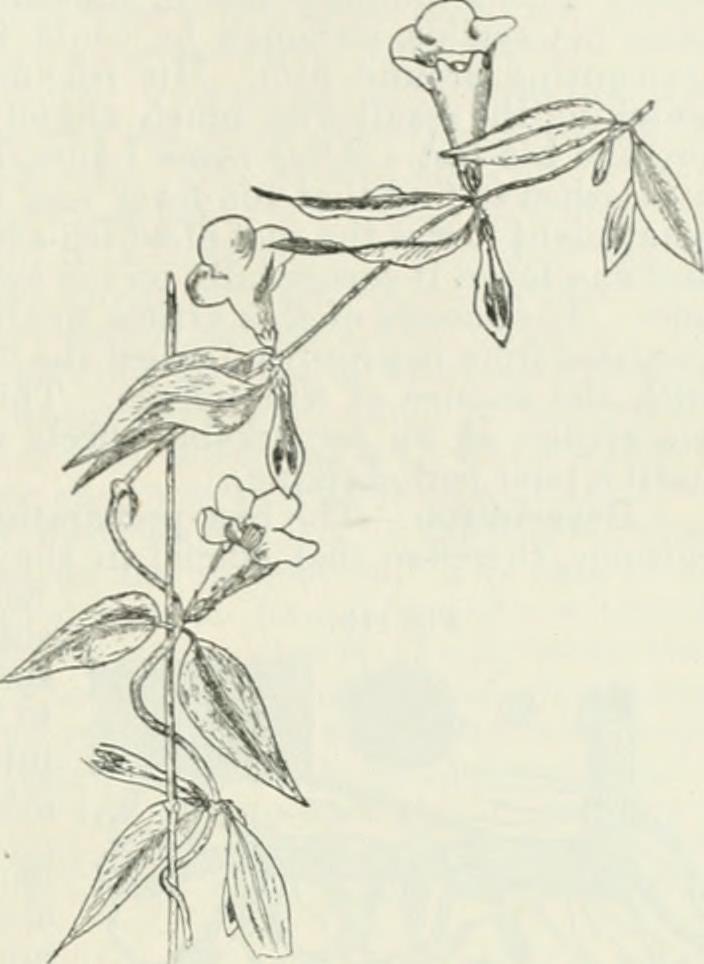
King's American Dispensatory
Harvey Wickes Felter | 1854
Pow-Wows
John George Hohman | 1820
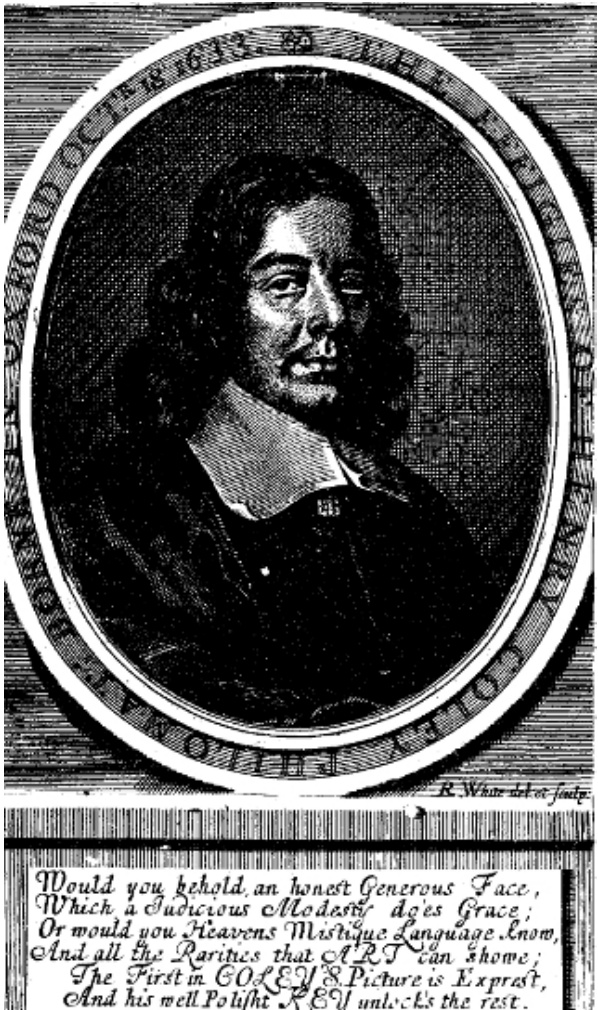
Clavis Astrologiae Elimata
Henry Coley | 1669
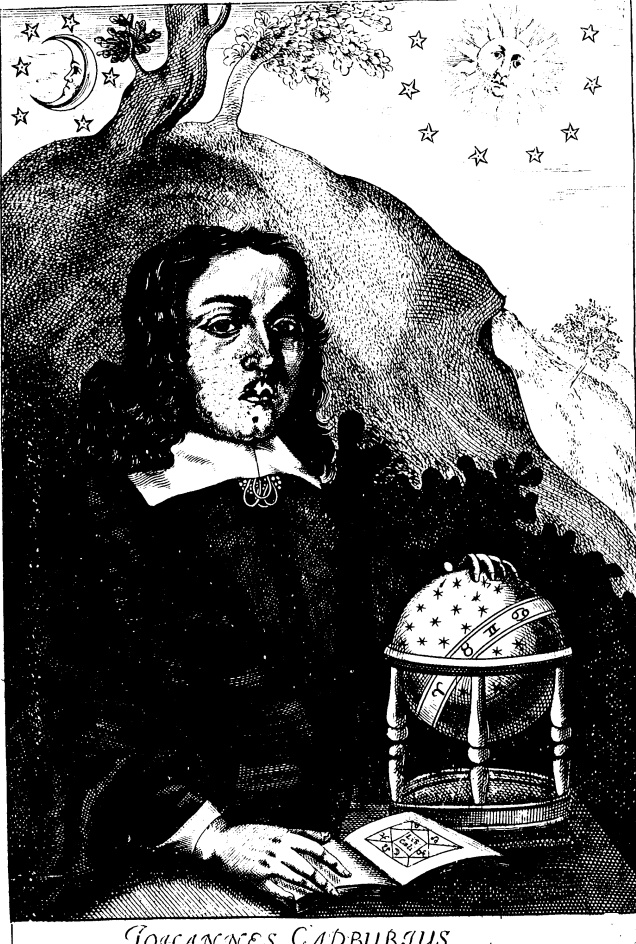
Genethlialogia
John Gadbury | 1658
Manual of Astrology
Raphael (Robert Cross Smith) | 1828