Preparation
highKing's American Dispensatory preserves a sweetened infusion containing sarsaparilla, senna, pale rose, anise, and borage flowers.
Borago officinalis
Borage appears in Hermetikon as an archive-backed plant entry, with references across historical medical, magical, symbolic, and ritual contexts where the source texts support them.
Identity, safety, and search aliases used to connect this herb to the archive.
Pyrrolizidine alkaloids can raise liver-risk concerns unless preparations are PA-free.
Historical archive citations are not medical advice. Use modern clinical and poison-control sources for ingestion, dosage, pregnancy, and toxicity questions.
Curated archive synthesis of recurring uses, recipes, rituals, and interpretive problems.
Hermetikon's curated reading of Borage (Borago officinalis) is built from 3 source-linked archive notes and 2 preparation or ritual-use entries. The strongest recurring contexts are preparations and astrology. Each note below links back to the archive source used for the claim.
King's American Dispensatory preserves a sweetened infusion containing sarsaparilla, senna, pale rose, anise, and borage flowers.
Culpeper groups borage with bugloss and another related plant as herbs of Jupiter under Leo, calling them cordial and strengthening to the heart.
Brewer defines a cool tankard or cool cup as wine and water with lemon, sugar, and borage, sometimes with cucumber slices.
King's records a sweetened infusion containing borage flowers with sarsaparilla, senna, pale rose, and anise.
Brewer defines the cool tankard or cool cup as wine and water with lemon, sugar, and borage, sometimes cucumber.
Compact source patterns from the extracted citation set.
3 passages across 3 books; strongest source: Christian Astrology.
Matched as borage; high confidence.
2 passages across 2 books; strongest source: Clavis Astrologiae Elimata.
Matched as borage; high confidence.
9 passages across 8 books; strongest source: Culpeper's Complete Herbal.
Matched as borage; high confidence.
1 passage across 1 book; strongest source: Myths of the Cherokee.
Matched as bugloss; high confidence.
Representative public passages with the herb mention highlighted and linked to archive source material.

Complete public source inventory, placed after the interpretive reading so the page opens with the most useful synthesis first.
Culpeper's Complete Herbal
Nicholas Culpeper | 1653
Anatomy of Melancholy
Robert Burton | 1621
The Family Herbal
John Hill | 1755
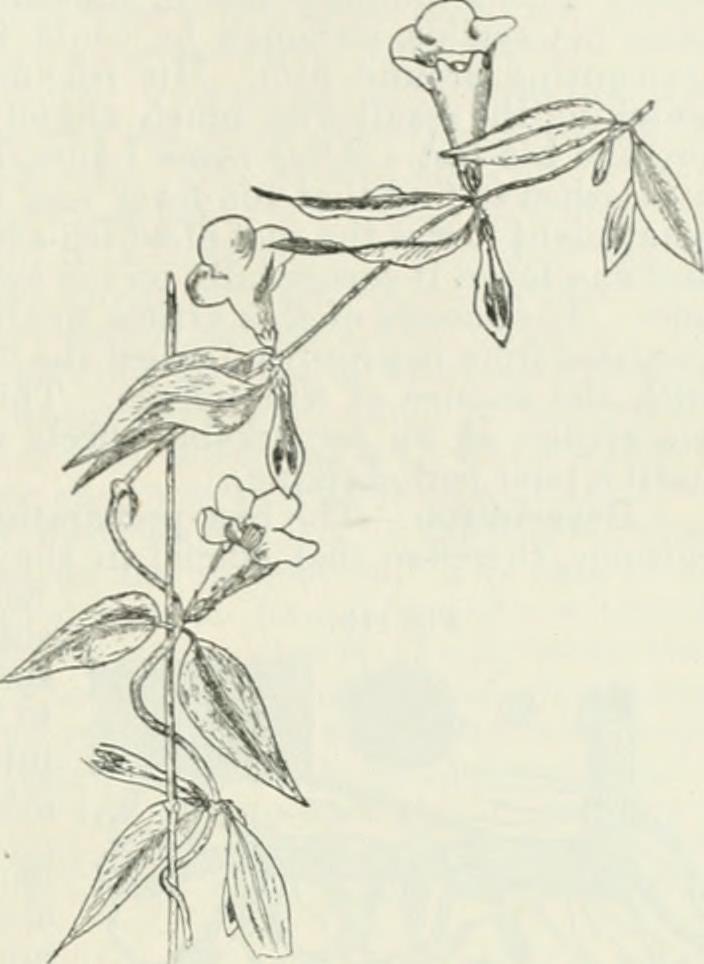
Myths of the Cherokee
James Mooney | 1900
Manual of Astrology
Raphael (Robert Cross Smith) | 1828
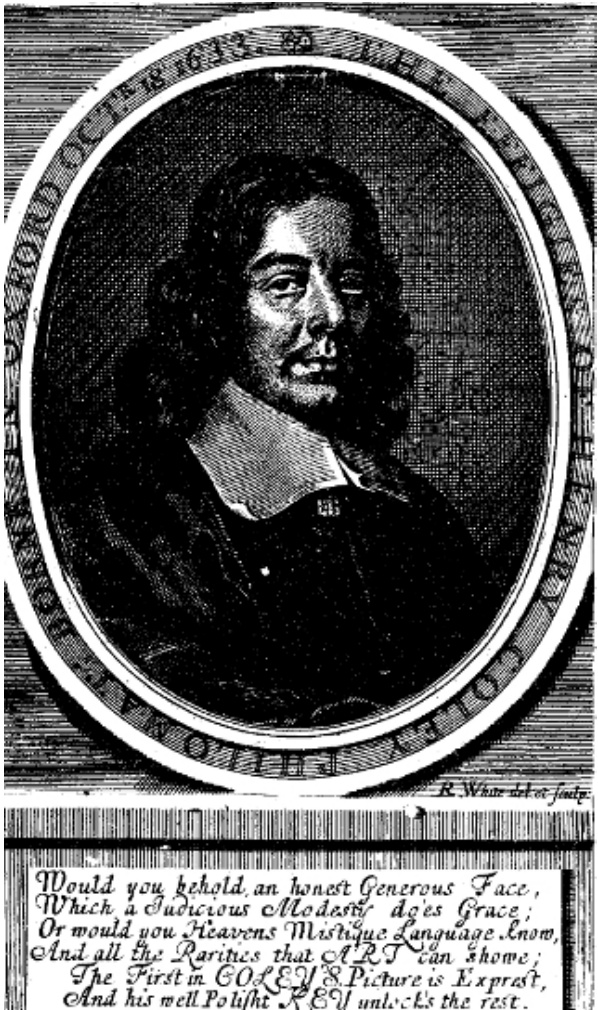
Clavis Astrologiae Elimata
Henry Coley | 1669
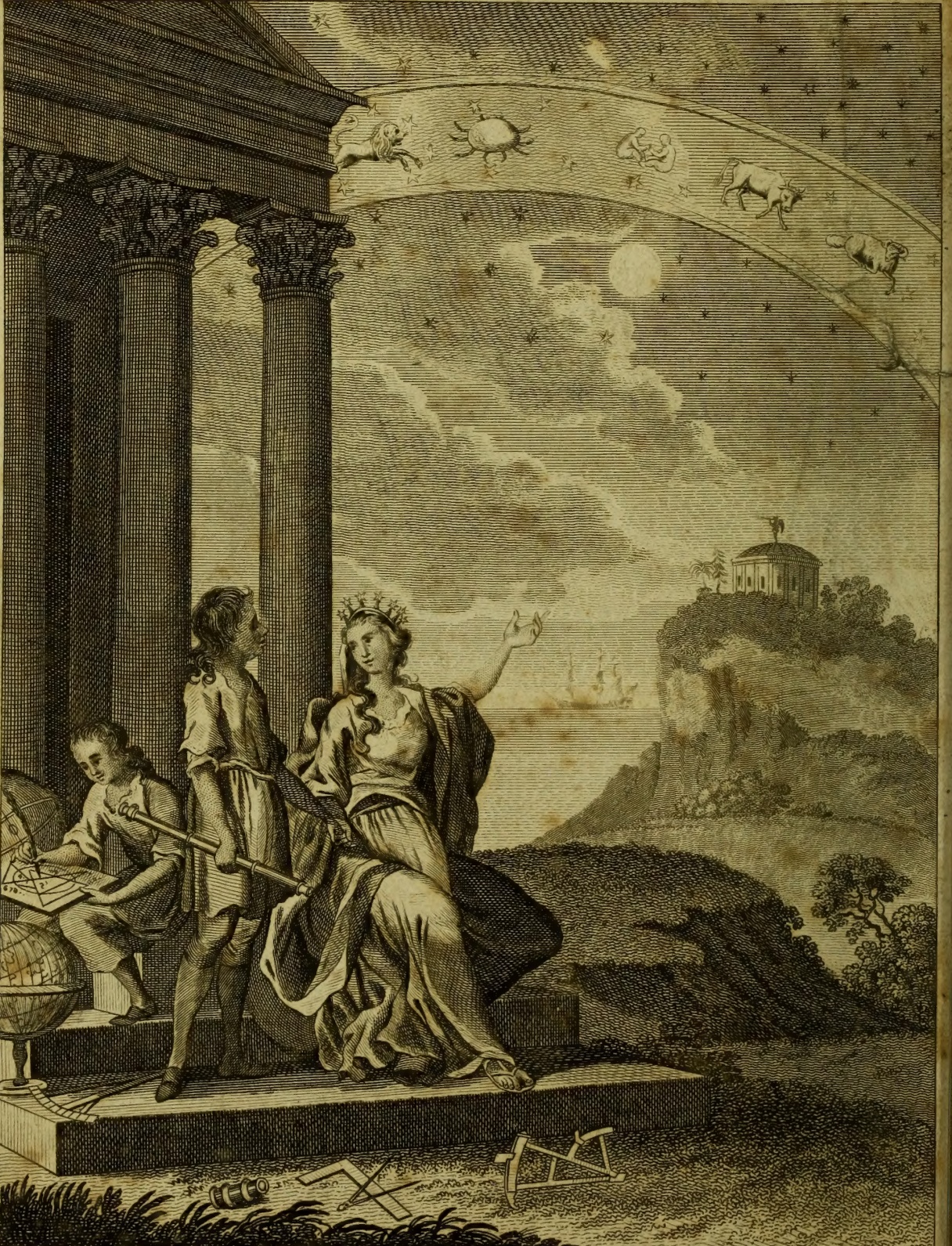
Illustration of the Occult Sciences
Ebenezer Sibly | 1784
King's American Dispensatory
Harvey Wickes Felter | 1854
Brewer's Dictionary of Phrase & Fable
E. Cobham Brewer | 1870
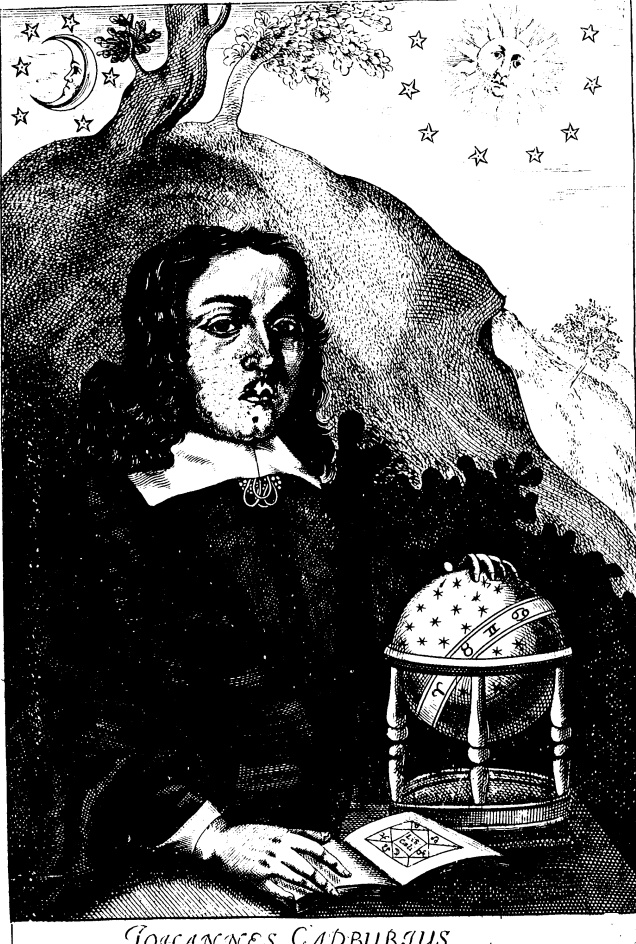
Genethlialogia
John Gadbury | 1658
Christian Astrology
William Lilly | 1647
The Influence of the Stars
Rosa Baughan | 1880
Three Books of Occult Philosophy
Heinrich Cornelius Agrippa von Nettesheim | 1533