ermetikon

Curated archive path

Classical Astrology Source Texts Reading List

This reading list starts with ancient doctrine, then moves into English judicial astrology, horary method, aphorisms, occult-science synthesis, and later manual tradition.

This public reading list links directly to source books in the Hermetikon archive, then back into the broader archive path for related texts, authors, and traditions.

Texts
7
Path
Use this path if you want astrology from primary and historical manuals rather than modern sun-sign summaries or isolated technique pages.
Tetrabiblos

Step 1: Start with the classical foundation

Tetrabiblos

Claudius Ptolemy150PrimaryAdvanced

Tetrabiblos gives the ancient theoretical base for signs, planets, qualities, prediction, and the philosophical defense of astrology.

Claudius Ptolemy's foundational treatise establishing systematic framework for Western astrology. Provides comprehensive explanation of astrological principles, zodiacal symbolism, planetary influences, house divisions, and interpretive methods. Combines mathematical astronomy with mystical interpretation. Tetrabiblos became standard astrological text for over 1500 years, foundational for all subsequent Western astrological tradition.
Christian Astrology

Step 2: Move into English horary practice

Christian Astrology

William Lilly1647PrimaryAdvanced

Christian Astrology is the archive's central source for horary method, houses, significators, reception, dignity, and judgment.

The first major comprehensive textbook on astrology written in English. Lilly, the most famous astrologer of the 17th century, provides an exhaustive guide to the 'art of the stars'. The work covers the foundations of the craft, Horary Astrology (the art of answering specific questions), and Natal Astrology (the study of birth charts). It remains the 'bible' of traditional astrology for practitioners today.

Astrologia Restaurata

Step 3: Compare a restoration-era system

Astrologia Restaurata

William Ramesey1653PrimaryAdvanced

Astrologia Restaurata shows how seventeenth-century astrology organized natal, horary, and mundane doctrine after Lilly.

Astrologia Restaurata is William Ramesey's comprehensive defence and systematic exposition of judicial astrology, published in 1653 in four books. The first book argues for the legitimacy of astrology as a Liberal Science, the second provides foundational astrological instruction, the third treats electional astrology in exhaustive detail, and the fourth addresses mundane astrology. Written by a physician to King Charles II, the work stands as one of the most thorough English-language astrological textbooks of the 17th century, blending classical Ptolemaic doctrine with practical guidance.

Clavis Astrologiae Elimata

Step 4: Study the technical key

Clavis Astrologiae Elimata

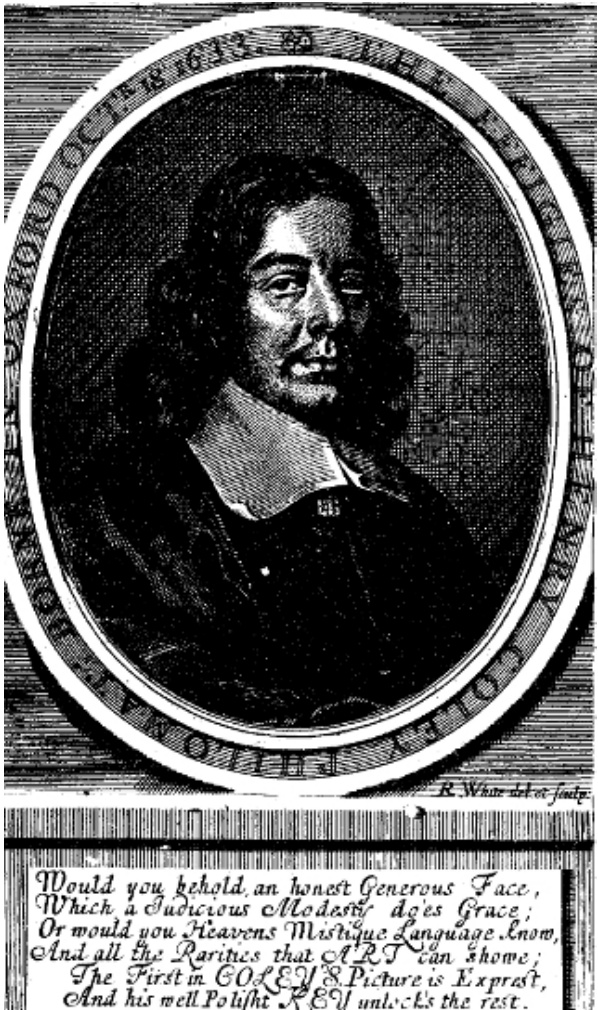
Henry Coley1669PrimaryAdvanced

Clavis Astrologiae Elimata gives a dense technical path through calculation, judgment, nativities, and astrological doctrine.

Clavis Astrologiae Elimata, or A Key to the Whole Art of Astrology (1676) is the enlarged second edition of Henry Coley's comprehensive astrological encyclopaedia, first published in 1669. Coley, who was the principal student and designated successor of William Lilly, covers all branches of the art in three parts: the principles of astrology including signs, planets, and aspects; horary and electional judgements; and natal astrology including directions and revolutions. The work includes the Rudolphine astronomical tables and was dedicated to Elias Ashmole, with an endorsing preface by William Lilly himself, making it the most authoritative continuation of the Lilly tradition.

Anima Astrologiae

Step 5: Add aphoristic judgment rules

Anima Astrologiae

Henry Coley1676PrimaryIntermediate

Anima Astrologiae is useful after the larger manuals because it compresses astrological judgment into aphorisms and practical rules.

A compilation of the 146 astrological considerations of Guido Bonatti (13th-century Italian astrologer) and the choicest aphorisms of Girolamo Cardano, translated into English and methodically organized by Henry Coley under the guidance of William Lilly. Includes a new catalogue of 50 fixed stars rectified for 1700. A foundational reference text of 17th-century English horary and natal astrology.

Illustration of the Occult Sciences

Step 6: Broaden into occult-science astrology

Illustration of the Occult Sciences

1784PrimaryAdvanced

Sibly places astrology beside physiognomy, celestial influence, and wider occult sciences in an eighteenth-century compilation.

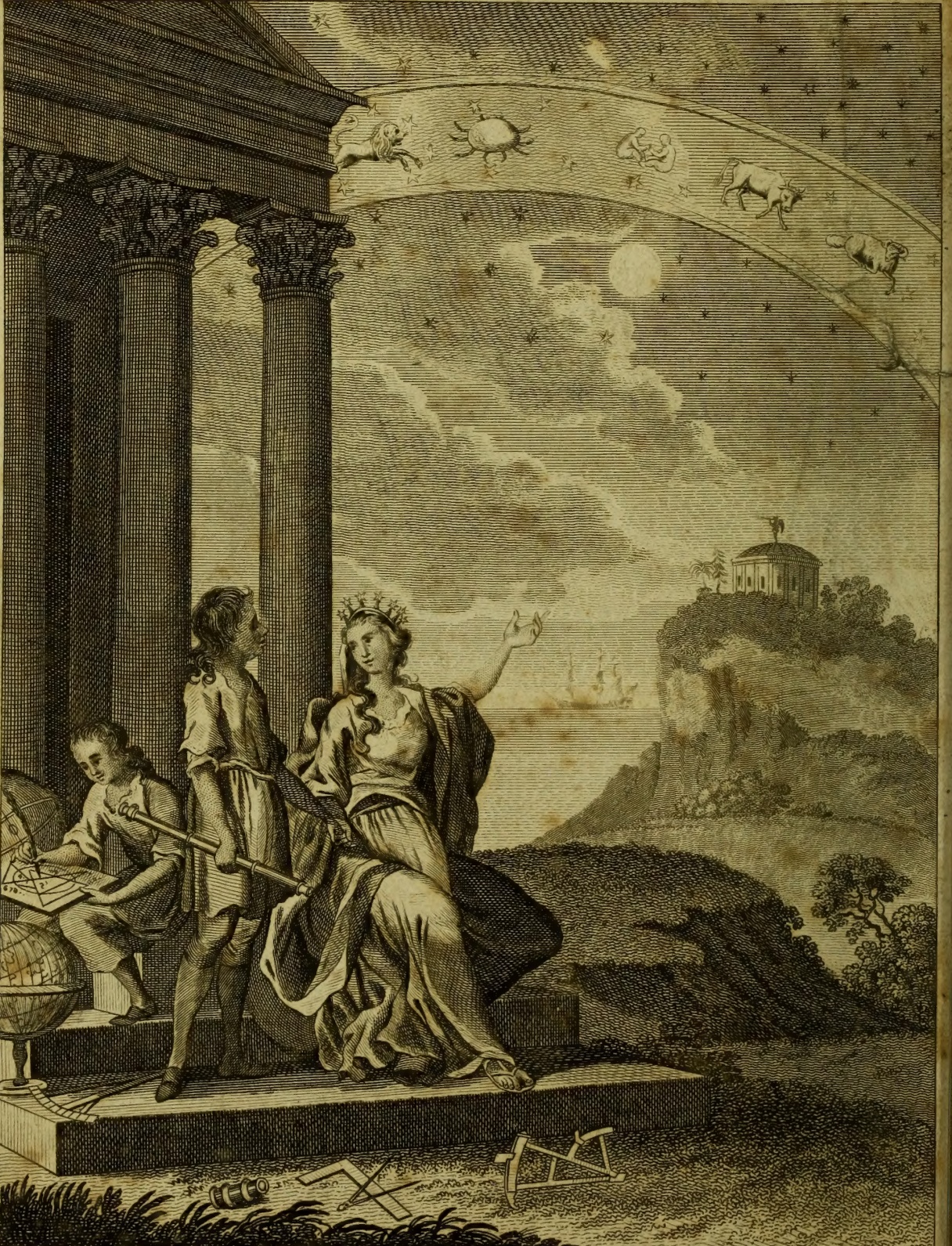
An encyclopaedic compendium of occult knowledge from eighteenth-century England, covering judicial astrology, celestial magic, geomancy, physiognomy, and the interpretation of omens. Sibly synthesises the Western occult tradition — drawing on Agrippa, Paracelsus, and the grimoire corpus — into a single monumental work intended to bring the hidden sciences to an educated audience. A primary document of the British occult revival and a significant influence on subsequent generations of English occultists.

Manual of Astrology

Step 7: Finish with a later manual tradition

Manual of Astrology

Raphael (Robert Cross Smith)1828Primary

Raphael's Manual of Astrology shows how traditional techniques were simplified and transmitted into nineteenth-century popular astrology.

A comprehensive practical manual of astrology by "Raphael" (Robert Cross Smith), presenting natal astrology, horary astrology, and state astrology for the general reader. Claims to strip the science of medieval superstitions, offering perpetual tables for casting horoscopes without an ephemeris, rules for the doctrine of nativities, celestial directions, and remarkable example horoscopes. Dedicated to Sir Walter Scott. One of the most influential popular astrology manuals of the 19th century.

Classical Astrology FAQ

Public answers for readers choosing whether this source path fits their study.

What classical astrology text should I read first?

Start with Ptolemy's Tetrabiblos for the ancient theoretical frame, then move to Lilly's Christian Astrology for practical horary judgment.

Is this reading list about modern astrology?

No. This path is centered on historical and traditional astrology sources in the archive, especially ancient and early modern manuals.

Why include Sibly and Raphael after Lilly?

They show how astrological doctrine was repackaged in later occult-science and popular manual traditions, which helps readers follow the transmission history.

Research this path with the Archivist

Search across the listed texts, retrieve citations, and compare related terms across the archive.

Ask the Archivist