Identity
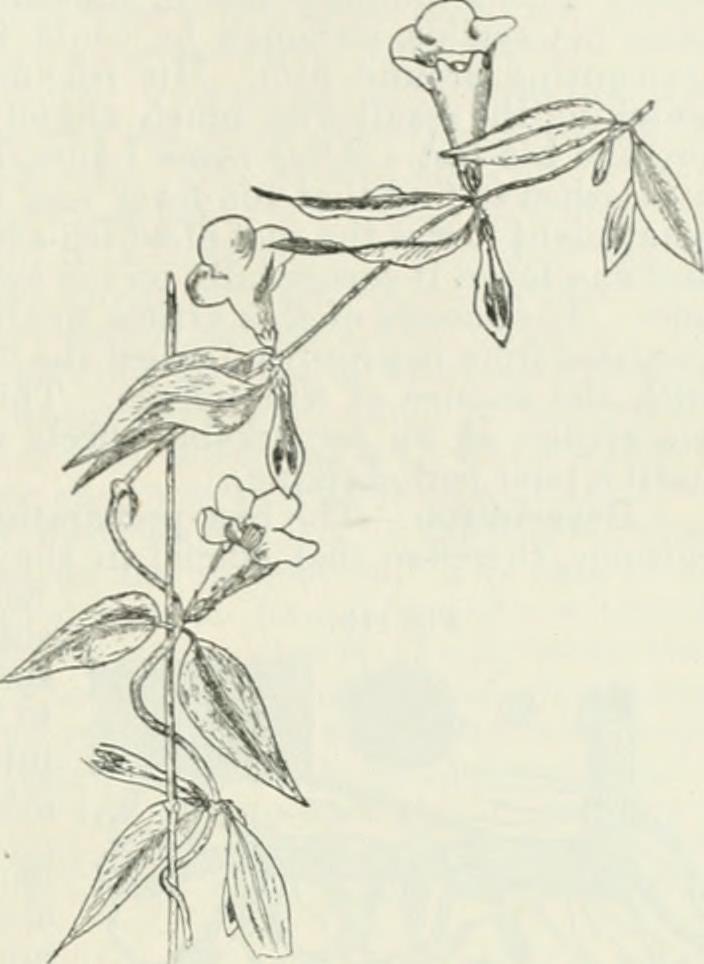
mediumTea is a low-density and ambiguous herb page because archive hits can refer to the tea plant, the beverage, meals, or divination customs. King's American Dispensatory provides the clearest botanical tea-plant evidence.
Camellia sinensis
Tea appears in Hermetikon as an archive-backed plant entry, with references across historical medical, magical, symbolic, and ritual contexts where the source texts support them.
Identity, safety, and search aliases used to connect this herb to the archive.
Caffeine, pregnancy, stimulant sensitivity, and interactions matter for medicinal or high intake use.
Historical archive citations are not medical advice. Use modern clinical and poison-control sources for ingestion, dosage, pregnancy, and toxicity questions.
Curated archive synthesis of recurring uses, recipes, rituals, and interpretive problems.
Hermetikon's curated reading of Tea (Camellia sinensis) is built from 3 source-linked archive notes and 1 preparation or ritual-use entry. The strongest recurring contexts are folk magic, symbolism, and identity. Each note below links back to the archive source used for the claim.
Tea is a low-density and ambiguous herb page because archive hits can refer to the tea plant, the beverage, meals, or divination customs. King's American Dispensatory provides the clearest botanical tea-plant evidence.
The strongest occult signal for tea is divinatory rather than medicinal. Salem Witchcraft material describes fortune-telling by the grounds or settlings of a cup of tea or coffee.
SUPPLEMENT.
Mysteries of All Nations preserves omen lore around the tea plant, including a floating tea stalk as a sign of a coming stranger. This is a folklore signal within a noisy set of ordinary beverage references.
CHAPTER XLV.
Salem Witchcraft describes reading the grounds or settlings of a cup of tea or coffee as a fortune-telling practice.
SUPPLEMENT.
Compact source patterns from the extracted citation set.
1 passage across 1 book; strongest source: Salem Witchcraft.
Matched as tea; medium confidence.
Representative public passages with the herb mention highlighted and linked to archive source material.
Complete public source inventory, placed after the interpretive reading so the page opens with the most useful synthesis first.