Medicine
highCulpeper's garden sage entry gives the botanical evidence: Jupiter claims the herb, and a decoction of leaves and branches is linked to urine, menses, wounds, ulcers, and hair darkening.
Salvia officinalis
Sage appears in Hermetikon as an archive-backed plant entry, with references across historical medical, magical, symbolic, and ritual contexts where the source texts support them.
Identity, safety, and search aliases used to connect this herb to the archive.
Concentrated sage oil and high-dose extracts can contain thujone; use caution with seizures and pregnancy.
Historical archive citations are not medical advice. Use modern clinical and poison-control sources for ingestion, dosage, pregnancy, and toxicity questions.
Curated archive synthesis of recurring uses, recipes, rituals, and interpretive problems.
Hermetikon's curated reading of Sage (Salvia officinalis) is built from 3 source-linked archive notes and 1 preparation or ritual-use entry. The strongest recurring contexts are medicine and identity. Each note below links back to the archive source used for the claim.
Culpeper's garden sage entry gives the botanical evidence: Jupiter claims the herb, and a decoction of leaves and branches is linked to urine, menses, wounds, ulcers, and hair darkening.
Frazer's 'sage calculation' passage is not Salvia evidence at all; it is a common-noun match rather than botanical sage material.
Chapter XIV. The Propitiation of Wild Animals by Hunters.
Culpeper's catalogue separately names greater and lesser garden sage and wild sage, supporting a cautious reading that distinguishes botanical sage from the common noun 'sage.'
A CATALOGUE OF SIMPLES IN THE NEW DISPENSATORY.
Culpeper gives a drunk decoction of sage leaves and branches for urinary, menstrual, wound, ulcer, and hair-darkening uses.
Compact source patterns from the extracted citation set.
1 passage across 1 book; strongest source: The Gospel of Buddha.
Matched as sage; medium confidence.
1 passage across 1 book; strongest source: Primitive Culture, Vol. 2.
Matched as sage; medium confidence.
2 passages across 2 books; strongest source: The Gospel of Buddha.
Matched as sage; medium confidence.
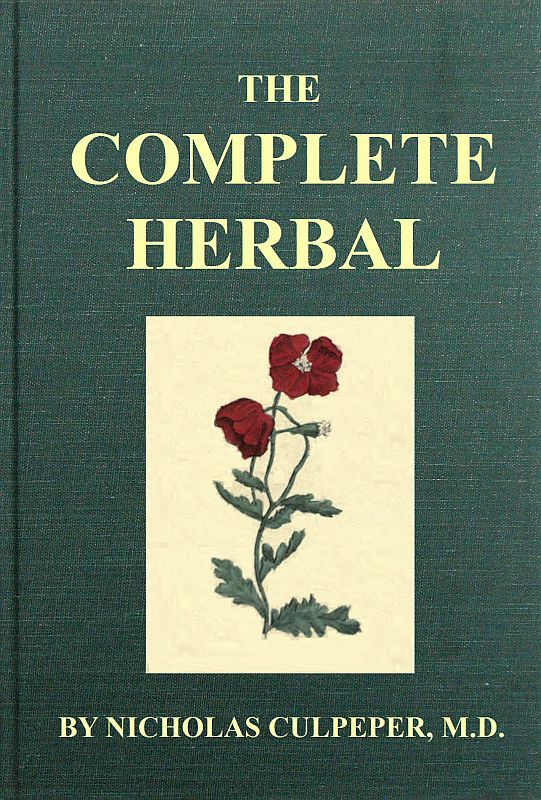
2 passages across 2 books; strongest source: Culpeper's Complete Herbal.
Matched as garden sage; high confidence.
3 passages across 3 books; strongest source: The Mathnawi, Vol. 2.
Matched as sage; medium confidence.
Representative public passages with the herb mention highlighted and linked to archive source material.


Complete public source inventory, placed after the interpretive reading so the page opens with the most useful synthesis first.
The Gospel of Buddha
Paul Carus | 1894
The Secret Doctrine, Vol. 3
Helena Petrovna Blavatsky | 1897
Culpeper's Complete Herbal
Nicholas Culpeper | 1653
Dhammapada
Buddhist tradition (compiled) | 200

Literature of the Ancient Egyptians
E.A. Wallis Budge | 1914
Primitive Culture, Vol. 2
Edward Burnett Tylor | 1871
The Secret Doctrine Index
H. P. Blavatsky | 1897
The Mathnawi, Vol. 2
R. A. Nicholson | 1926
Sacred Magic of Abramelin (Book 1)
Abraham of Worms | 1458
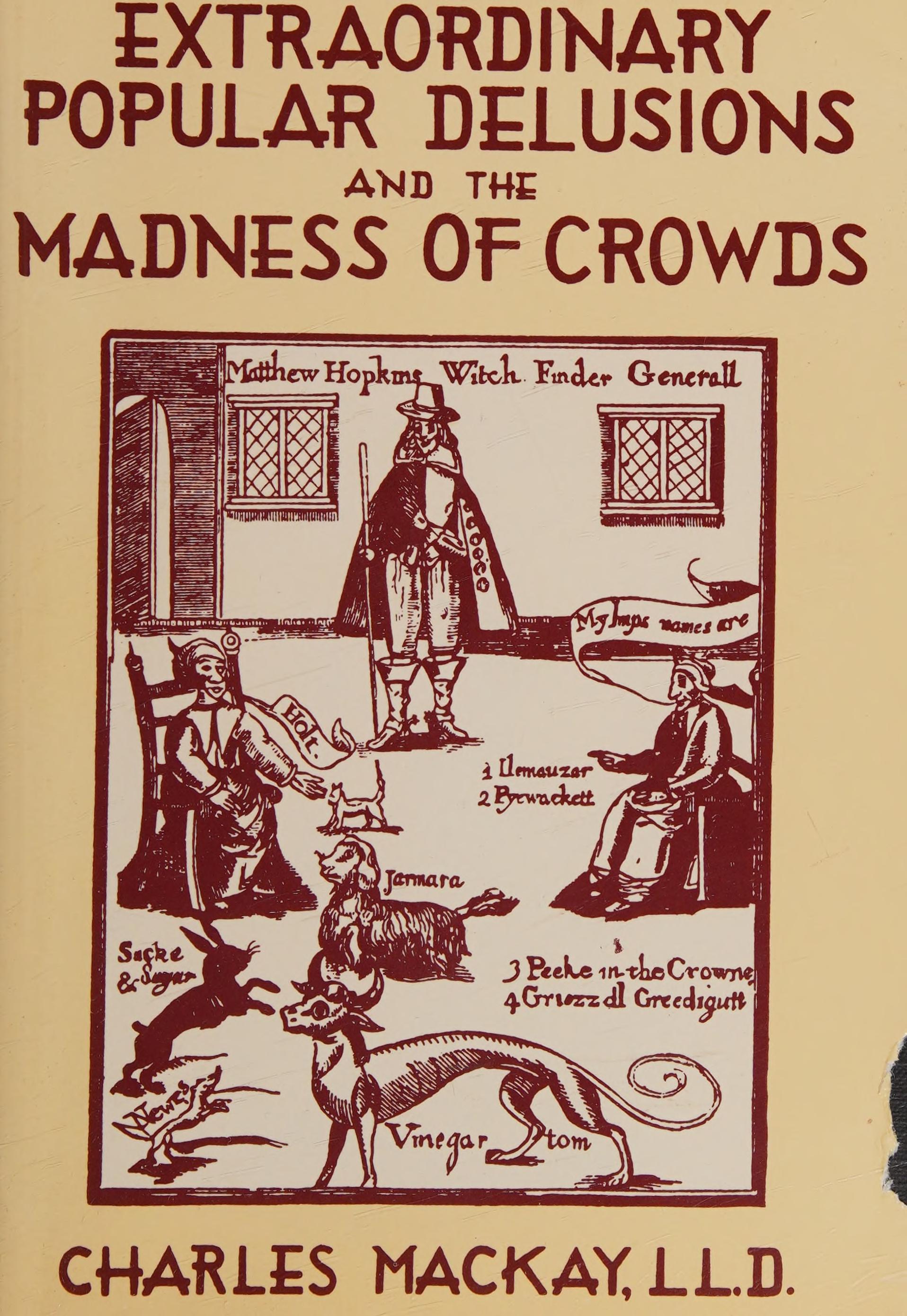
Extraordinary Popular Delusions
Charles Mackay | 1841
The Golden Bough
James George Frazer | 1912
Modern Mythology
Charles Kingsley | 1873