Preparation
highHill gives lavender flowers as a head-and-nerves remedy and describes spirit of lavender, or palsy drops, distilled from lavender flowers and rosemary tops.
Lavandula angustifolia
Lavender appears in Hermetikon as an archive-backed plant entry, with references across historical medical, magical, symbolic, and ritual contexts where the source texts support them.
Identity, safety, and search aliases used to connect this herb to the archive.
Generally low concern in ordinary use; concentrated oil and oral preparations need caution.
Historical archive citations are not medical advice. Use modern clinical and poison-control sources for ingestion, dosage, pregnancy, and toxicity questions.
Curated archive synthesis of recurring uses, recipes, rituals, and interpretive problems.
Hermetikon's curated reading of Lavender (Lavandula angustifolia) is built from 3 source-linked archive notes and 1 preparation or ritual-use entry. The strongest recurring contexts are preparations, ritual uses, and symbolism. Each note below links back to the archive source used for the claim.
Hill gives lavender flowers as a head-and-nerves remedy and describes spirit of lavender, or palsy drops, distilled from lavender flowers and rosemary tops.
The Key of Solomon uses lavender in a Mercury-timed sprinkler bundled with vervain, fennel, sage, valerian, mint, basil, rosemary, and hyssop.
Liber 777 uses lavender as a color term in the Daath color-scale notes, so this archive hit is occult color symbolism rather than plant use.
The Key of Solomon binds lavender into a Mercury-hour sprinkler with vervain, fennel, sage, valerian, mint, basil, rosemary, and hyssop.
Compact source patterns from the extracted citation set.
1 passage across 1 book; strongest source: The Human Aura.
Matched as lavender; high confidence.
2 passages across 2 books; strongest source: Clavis Astrologiae Elimata.
Matched as lavender; high confidence.
1 passage across 1 book; strongest source: Liber 777.
Matched as lavender; high confidence.
10 passages across 10 books; strongest source: Anatomy of Melancholy.
Matched as lavender; high confidence.
1 passage across 1 book; strongest source: Domestic Folk-lore.
Matched as lavender; high confidence.
Representative public passages with the herb mention highlighted and linked to archive source material.
Complete public source inventory, placed after the interpretive reading so the page opens with the most useful synthesis first.
Culpeper's Complete Herbal
Nicholas Culpeper | 1653
King's American Dispensatory
Harvey Wickes Felter | 1854
Brewer's Dictionary of Phrase & Fable
E. Cobham Brewer | 1870
The Family Herbal
John Hill | 1755
Human Animals
Frank Hamel | 1915
Anatomy of Melancholy
Robert Burton | 1621
Liber 777
Aleister Crowley | 1909
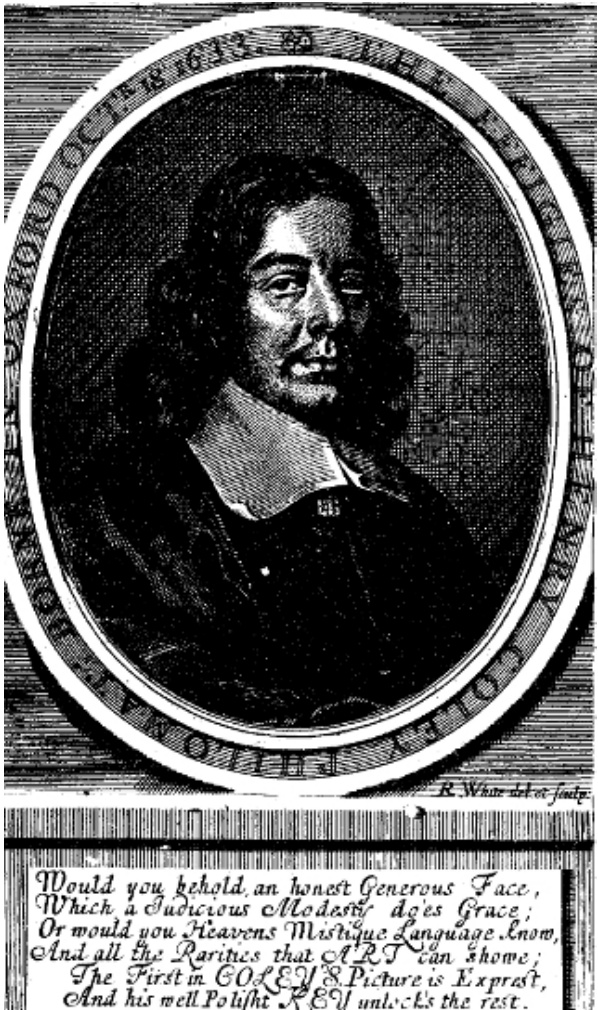
Clavis Astrologiae Elimata
Henry Coley | 1669
Domestic Folk-lore
Thomas Firminger Thiselton-Dyer | 1881
The Human Aura
Swami Panchadasi | 1912
Jungle Ways
William Seabrook | 1930
Book of the Damned
Charles Fort | 1919
Key of Solomon
King Solomon | 1400
Manual of Astrology
Raphael (Robert Cross Smith) | 1828
Extraordinary Popular Delusions
Charles Mackay | 1841
Genethlialogia
John Gadbury | 1658
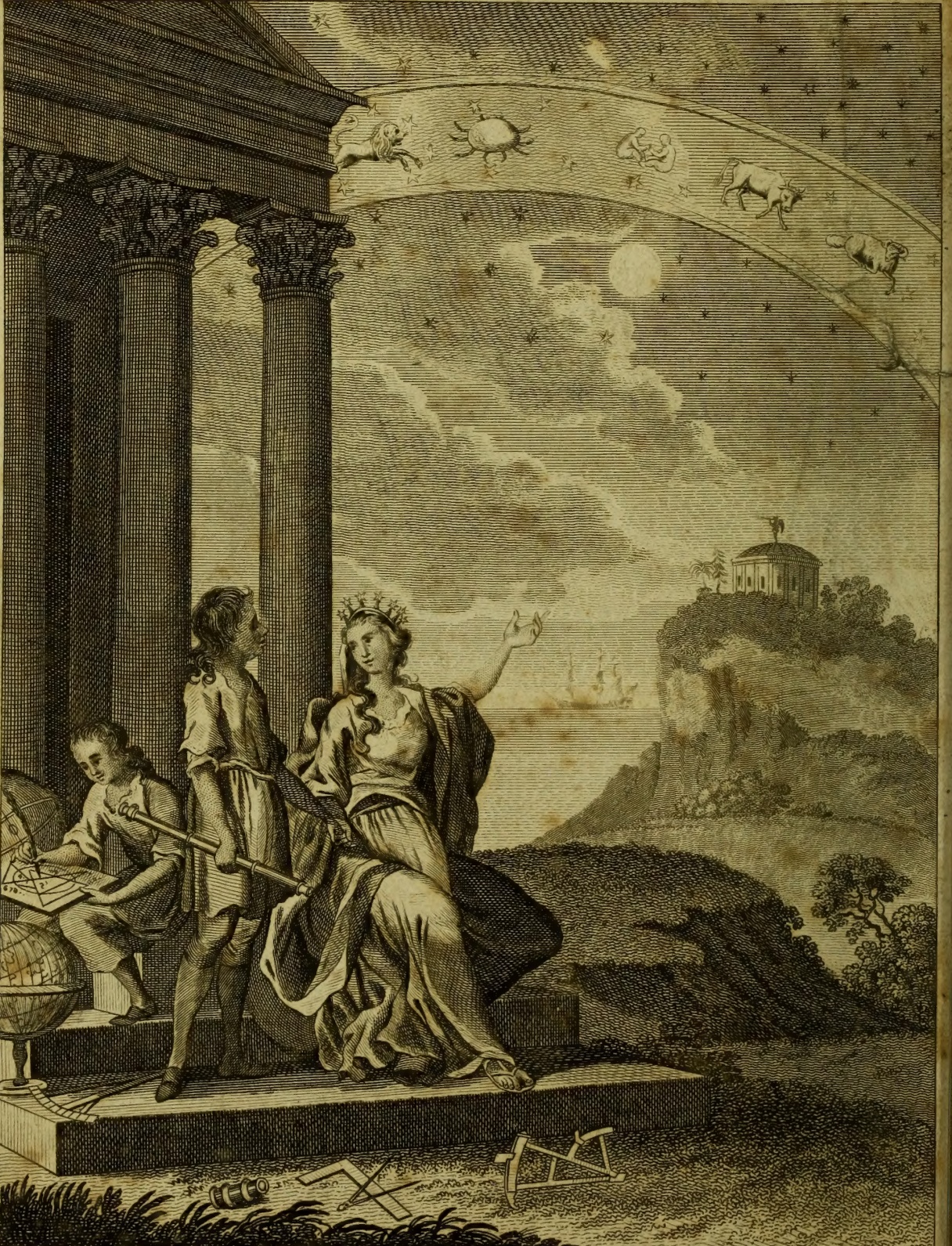
Illustration of the Occult Sciences
Ebenezer Sibly | 1784
The Coming of the Fairies
Arthur Conan Doyle | 1922