Preparation
highCulpeper gives a clear distilled-water use for hyssop: hyssop water is said to cleanse phlegm from the lungs, help coughs and asthma, and be distilled in August.
Hyssopus officinalis
Hyssop appears in Hermetikon as an archive-backed plant entry, with references across historical medical, magical, symbolic, and ritual contexts where the source texts support them.
Identity, safety, and search aliases used to connect this herb to the archive.
Concentrated essential oil is a concern; avoid medicinal use in pregnancy without professional guidance.
Historical archive citations are not medical advice. Use modern clinical and poison-control sources for ingestion, dosage, pregnancy, and toxicity questions.
Curated archive synthesis of recurring uses, recipes, rituals, and interpretive problems.
Hermetikon's curated reading of Hyssop (Hyssopus officinalis) is built from 3 source-linked archive notes and 1 preparation or ritual-use entry. The strongest recurring contexts are preparations, astrology, and identity. Each note below links back to the archive source used for the claim.
Culpeper gives a clear distilled-water use for hyssop: hyssop water is said to cleanse phlegm from the lungs, help coughs and asthma, and be distilled in August.
Agrippa classifies hyssop with rosemary, agnus castus, and the olive tree as Lunary plants, contrasting them with onions under Mars.
King's featured hyssop row is actually hedge-hyssop, a cathartic and irritant plant, separating that citation from common Hyssopus officinalis.
Culpeper's hyssop water is a seasonal distillation, made in August, and used historically for phlegm, coughs, and asthma.
Compact source patterns from the extracted citation set.
2 passages across 2 books; strongest source: Liber 777.
Matched as hyssop; high confidence.
11 passages across 11 books; strongest source: Book of Black Magic.
Matched as hyssop; high confidence.
1 passage across 1 book; strongest source: Ten Thousand Dreams Interpreted.
Matched as hyssop; high confidence.
Representative public passages with the herb mention highlighted and linked to archive source material.
Complete public source inventory, placed after the interpretive reading so the page opens with the most useful synthesis first.
Culpeper's Complete Herbal
Nicholas Culpeper | 1653
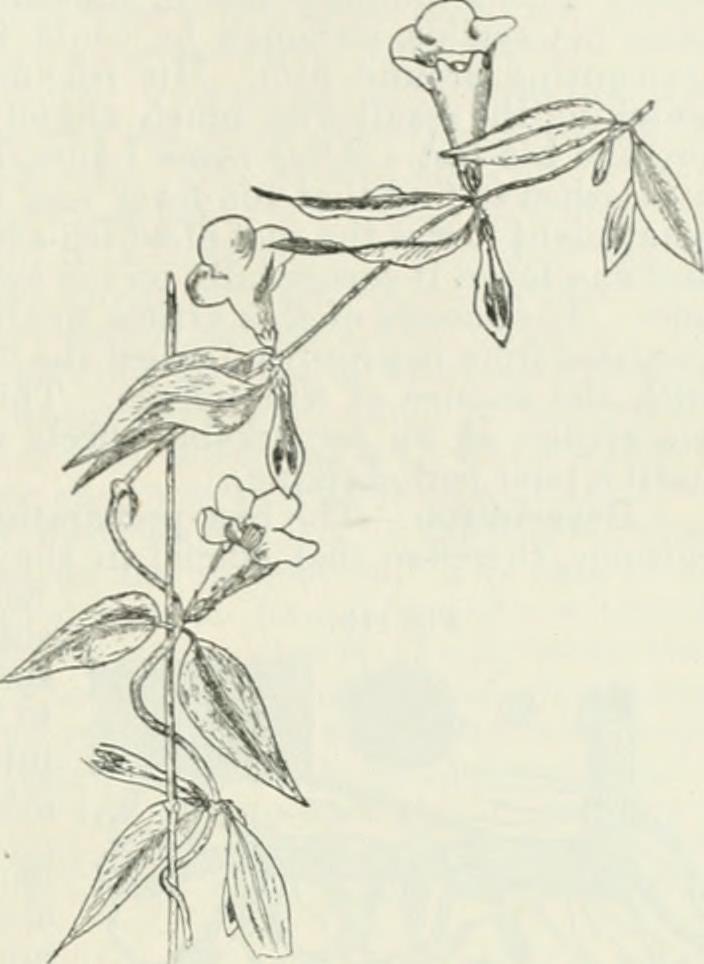
King's American Dispensatory
Harvey Wickes Felter | 1854
Key of Solomon
King Solomon | 1400
Anatomy of Melancholy
Robert Burton | 1621

Fragments of a Faith Forgotten
G.R.S. Mead | 1900
Hastings' Encyclopaedia of Religion and Ethics
James Hastings | 1918
The Equinox Vol. 1 No. 3
Aleister Crowley | 1910
Ten Thousand Dreams Interpreted
Gustavus Hindman Miller | 1901
Book of Black Magic
Arthur Edward Waite | 1898
Demonology and Devil-lore
Moncure Daniel Conway | 1879
Witchcraft, Magic & Alchemy
Grillot de Givry | 1929
Solomon and Solomonic Literature
Moncure Daniel Conway | 1898
Magick in Theory and Practice
Aleister Crowley | 1929
Brewer's Dictionary of Phrase & Fable
E. Cobham Brewer | 1870
The Christian Mythology
Charles François Dupuis | 1794
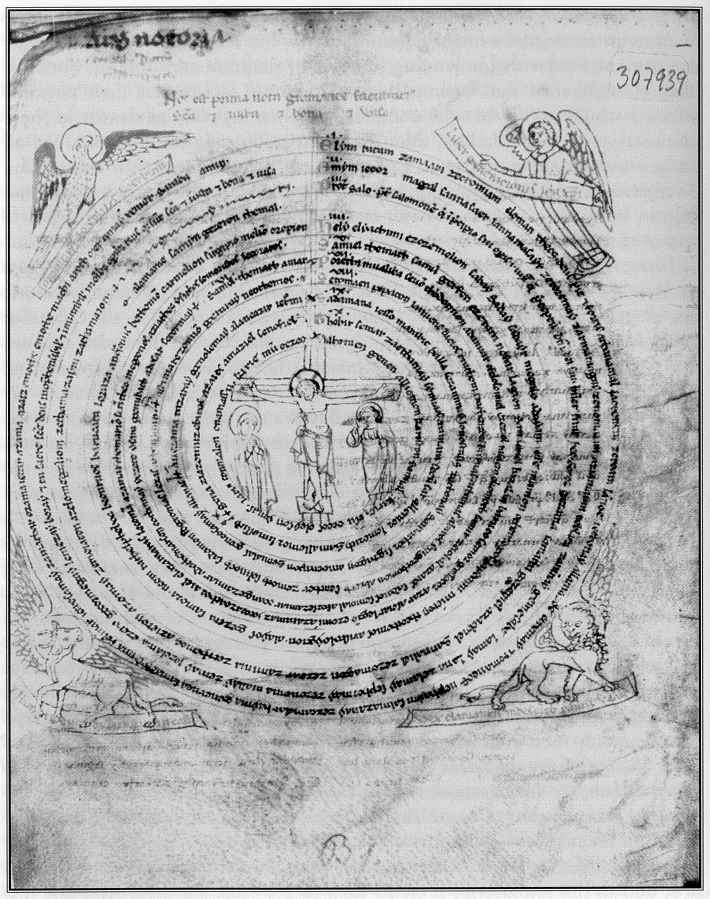
Ars Notoria
Anonymous | 1225
Student's Mythology
Catherine Ann White | 1873

Hastings' Encyclopaedia of Religion and Ethics
James Hastings | 1926
Sworn Book of Honorius
Honorius of Thebes (Legendary/Unknown) | 1250

Guide for the Perplexed
Moses Maimonides | 1190
Thaumaturgia
Richard Harris Dalton Barham | 1835
Encyclopaedia of Occultism
Lewis Spence | 1920
Liber 777
Aleister Crowley | 1909
Lesser Key of Solomon (Goetia)
Anonymous | 1650
Secret Symbols of the Rosicrucians
Anonymous (Attributed to multiple authors) | 1785
Tradition and Mythology
Lord Arundell of Wardour (John Francis Arundell) | 1872
Manual of Astrology
Raphael (Robert Cross Smith) | 1828
The Family Herbal
John Hill | 1755
On the Cave of the Nymphs
Porphyry | 270
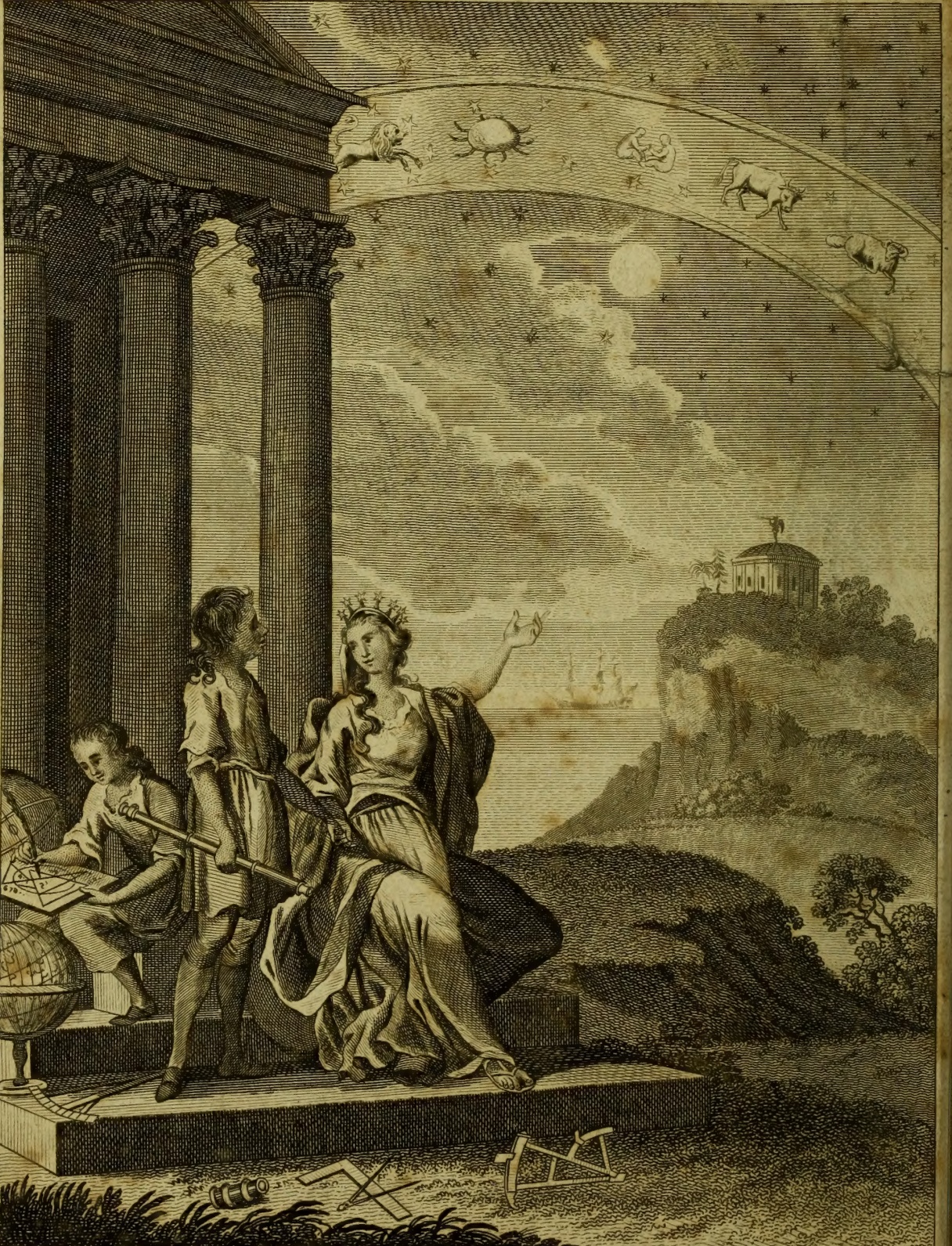
Illustration of the Occult Sciences
Ebenezer Sibly | 1784
Bible Myths
Thomas William Doane | 1882
Grimoire of Honorius
Attributed to Pope Honorius III (Pseudo-attribution) | 1670
Clavis Astrologiae Elimata
Henry Coley | 1669
Three Books of Occult Philosophy
Heinrich Cornelius Agrippa von Nettesheim | 1533