Astrology
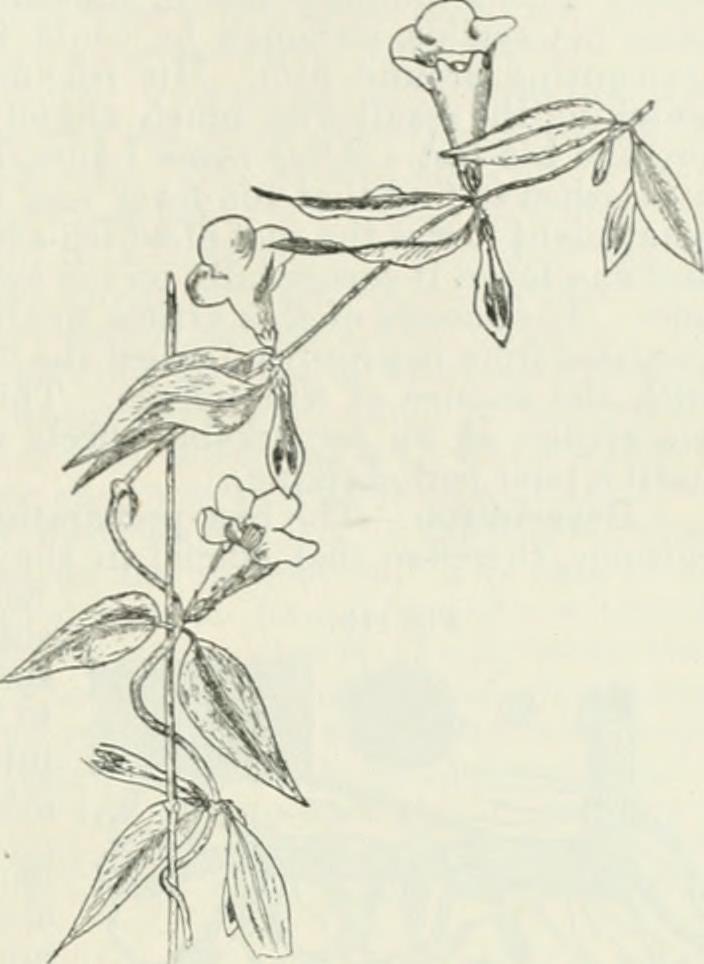
highVervain has a clear astrological thread in Agrippa's plant lists: upright vervain is assigned to Taurus and bending vervain to Gemini. That makes identity and morphology part of the archive's occult classification.
Verbena officinalis
Vervain appears in Hermetikon as an archive-backed plant entry, with references across historical medical, magical, symbolic, and ritual contexts where the source texts support them.
Identity, safety, and search aliases used to connect this herb to the archive.
Limited modern safety data; avoid medicinal use in pregnancy without professional guidance.
Historical archive citations are not medical advice. Use modern clinical and poison-control sources for ingestion, dosage, pregnancy, and toxicity questions.
Curated archive synthesis of recurring uses, recipes, rituals, and interpretive problems.
Hermetikon's curated reading of Vervain (Verbena officinalis) is built from 3 source-linked archive notes and 1 preparation or ritual-use entry. The strongest recurring contexts are ritual uses, folk magic, and astrology. Each note below links back to the archive source used for the claim.
Vervain has a clear astrological thread in Agrippa's plant lists: upright vervain is assigned to Taurus and bending vervain to Gemini. That makes identity and morphology part of the archive's occult classification.
Vervain recurs in Midsummer and St. John's seasonal magic. Golden Bough material links it with summer-solstice gathering, washing or steeping customs, and protective folk practice.
Chapter VIII. The Magic Flowers of Midsummer Eve.
Ceremonial magic sources use vervain in ritual implements. The Key of Solomon describes a sprinkler made with vervain and companion herbs, gathered under specified planetary timing.
The Key of Solomon includes vervain in a sprinkler made with fennel, lavender, sage, valerian, mint, basil, rosemary, and hyssop, gathered under Mercury timing.
Compact source patterns from the extracted citation set.
1 passage across 1 book; strongest source: The Family Herbal.
Matched as vervain; high confidence.
4 passages across 4 books; strongest source: Illustration of the Occult Sciences.
Matched as vervain; high confidence.
1 passage across 1 book; strongest source: Aradia.
Matched as vervain; high confidence.
7 passages across 7 books; strongest source: Culpeper's Complete Herbal.
Matched as vervain; high confidence.
1 passage across 1 book; strongest source: The Golden Bough.
Matched as verbena; high confidence.
1 passage across 1 book; strongest source: King's American Dispensatory.
Matched as vervain; high confidence.
Representative public passages with the herb mention highlighted and linked to archive source material.
Complete public source inventory, placed after the interpretive reading so the page opens with the most useful synthesis first.
Culpeper's Complete Herbal
Nicholas Culpeper | 1653
Encyclopaedia of Occultism
Lewis Spence | 1920
King's American Dispensatory
Harvey Wickes Felter | 1854
Transcendental Magic
Eliphas Levi | 1854
Brewer's Dictionary of Phrase & Fable
E. Cobham Brewer | 1870
Witchcraft, Magic & Alchemy
Grillot de Givry | 1929

Aradia
Charles Godfrey Leland | 1899
Demonology and Devil-lore
Moncure Daniel Conway | 1879
Balder the Beautiful, Volume I
James George Frazer | 1913
The Golden Bough
James George Frazer | 1890
Transcendental Magic
Éliphas Lévi (Alphonse Louis Constant) | 1856
Manual of Astrology
Raphael (Robert Cross Smith) | 1828
The Family Herbal
John Hill | 1755
The Golden Bough
James George Frazer | 1913
Hastings' Encyclopaedia of Religion and Ethics
James Hastings | 1918
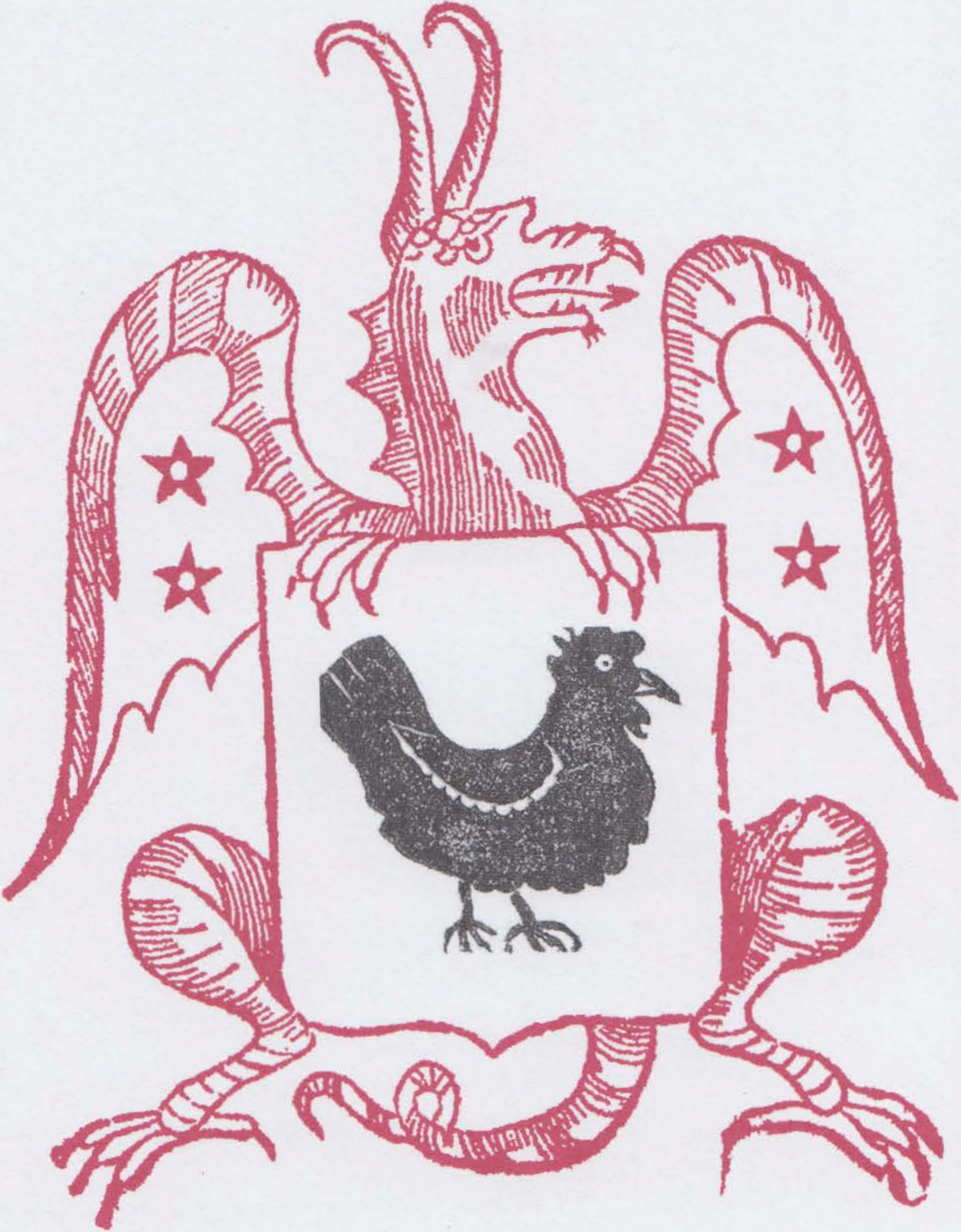
The Authentic Red Dragon and Black Hen
Anonymous | 1800
Mysteries of All Nations
James Grant | 1880
Hastings' Encyclopaedia of Religion and Ethics
James Hastings | 1916
Magick in Theory and Practice
Aleister Crowley | 1929
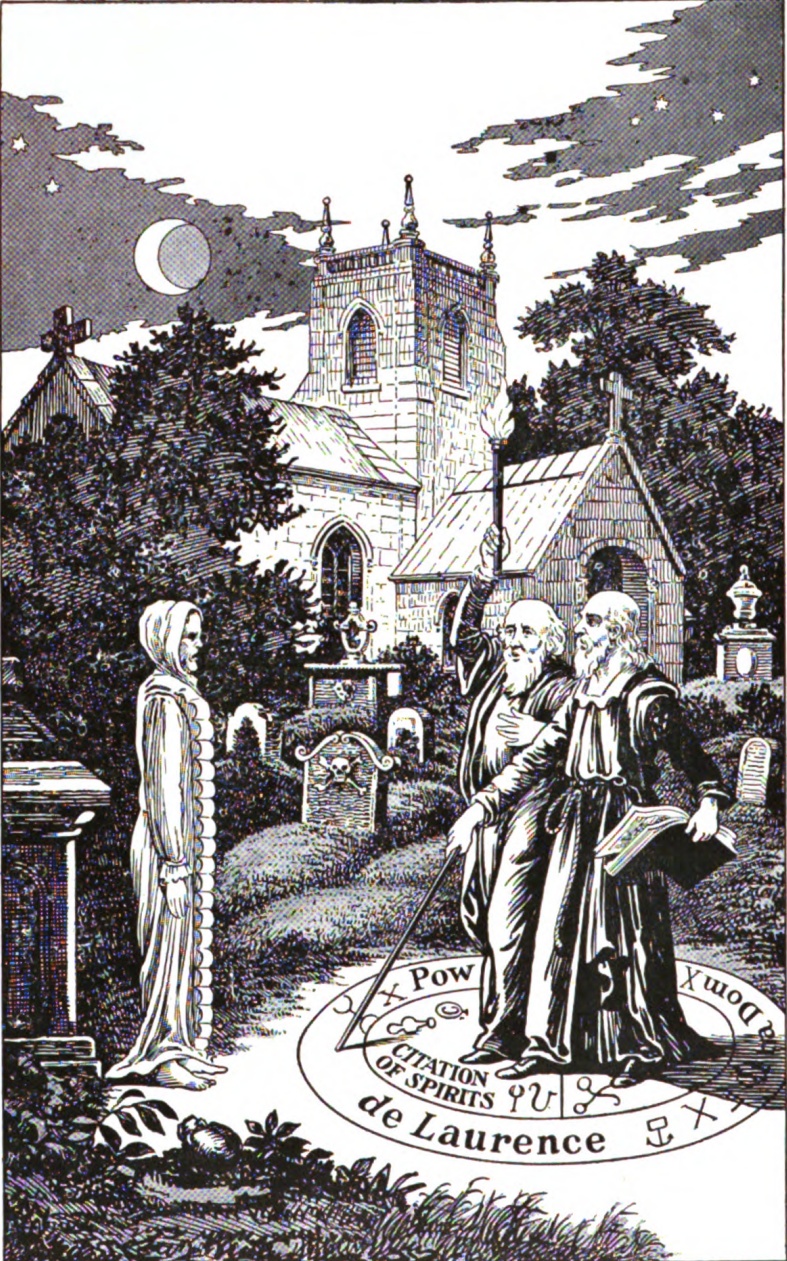
Book of Black Magic
Arthur Edward Waite | 1898
Hastings' Encyclopaedia of Religion and Ethics
James Hastings | 1926
The Discoverie of Witchcraft
Reginald Scot | 1584
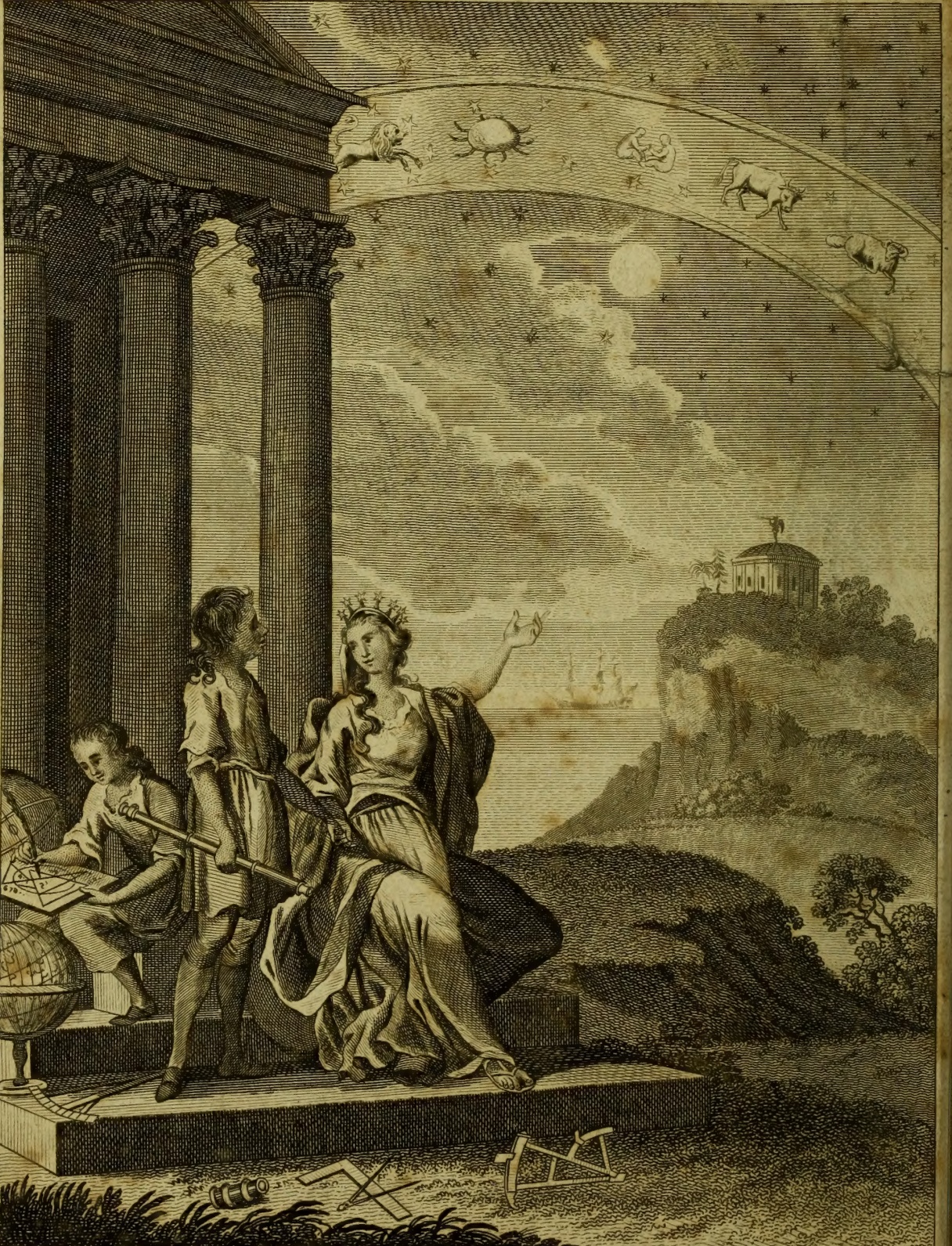
Illustration of the Occult Sciences
Ebenezer Sibly | 1784
Three Books of Occult Philosophy
Heinrich Cornelius Agrippa von Nettesheim | 1533
Witch Stories
E. Lynn Linton | 1861

Le streghe
Jules Michelet | 1862
The Golden Bough
James George Frazer | 1913
Bilder der Wunderkunst
Karl Grabner (Attributed/Editor) | 1834
Metamorphoses (Books I-VII)
Ovid (Publius Ovidius Naso) | 8
An Introduction to Mythology
George W. Cox | 1873
The Evolution of the Dragon
G. Elliot Smith | 1919
The Magus (Vol 1)
Francis Barrett | 1801
Anatomy of Melancholy
Robert Burton | 1621
Pow-Wows
John George Hohman | 1820
Miscellanies
John Aubrey | 1696
Student's Mythology
Catherine Ann White | 1873
Encyclopaedia of Antiquities
Thomas Dudley Fosbroke | 1825
The Golden Bough
James George Frazer | 1906
Liber 777
Aleister Crowley | 1909
A World of Wonders
James Grant | 1845
The Equinox Vol. 1 No. 2
Aleister Crowley | 1909
Key of Solomon
King Solomon | 1400
Hermetic and Alchemical Writings of Paracelsus
Philippus Aureolus Theophrastus Bombast von Hohenheim (Paracelsus) | 1493
The Equinox Vol. 1 No. 7
Aleister Crowley | 1912
The Influence of the Stars
Rosa Baughan | 1880
The Golden Bough
James George Frazer | 1906
Psychological Origin of Religion
James H. Leuba | 1909