Safety
highCulpeper explicitly says white, black, and yellow henbane stupefy the senses and are not to be taken inwardly; his uses are external and sedative.
Culpeper's Complete Herbal | Nicholas Culpeper | 1653
HERBS AND THEIR LEAVES.
Hyoscyamus niger
Henbane appears in Hermetikon as an archive-backed plant entry, with references across historical medical, magical, symbolic, and ritual contexts where the source texts support them.
Identity, safety, and search aliases used to connect this herb to the archive.
Contains tropane alkaloids and is associated with anticholinergic toxicity.
Historical archive citations are not medical advice. Use modern clinical and poison-control sources for ingestion, dosage, pregnancy, and toxicity questions.
Curated archive synthesis of recurring uses, recipes, rituals, and interpretive problems.
Hermetikon's curated reading of Henbane (Hyoscyamus niger) is built from 3 source-linked archive notes and 1 preparation or ritual-use entry. The strongest recurring contexts are astrology, identity, and safety. Each note below links back to the archive source used for the claim.
Culpeper explicitly says white, black, and yellow henbane stupefy the senses and are not to be taken inwardly; his uses are external and sedative.
HERBS AND THEIR LEAVES.
Agrippa transmits the Hermes-Albertus planetary list in which henbane is assigned to Jupiter, while daffodil, ribwort, knotgrass, vervain, cinquefoil, and goosefoot are assigned elsewhere.
Hill separates white henbane, Hyoscyamus albus, from black henbane and describes it as a garden-kept Italian and German plant, so the archive evidence is not always Hyoscyamus niger.
Culpeper restricts henbane to external use: outward applications for inflammations and hot gout, and temple application to provoke sleep.
HERBS AND THEIR LEAVES.
Compact source patterns from the extracted citation set.
1 passage across 1 book; strongest source: The Family Herbal.
Matched as henbane; high confidence.
5 passages across 5 books; strongest source: British Goblins.
Matched as henbane; high confidence.
7 passages across 7 books; strongest source: Anatomy of Melancholy.
Matched as henbane; high confidence.
2 passages across 2 books; strongest source: Hermetic and Alchemical Writings of Paracelsus.
Matched as henbane; high confidence.
Representative public passages with the herb mention highlighted and linked to archive source material.
Complete public source inventory, placed after the interpretive reading so the page opens with the most useful synthesis first.
Culpeper's Complete Herbal
Nicholas Culpeper | 1653
Anatomy of Melancholy
Robert Burton | 1621
King's American Dispensatory
Harvey Wickes Felter | 1854
Mysteries of All Nations
James Grant | 1880
Three Books of Occult Philosophy
Heinrich Cornelius Agrippa von Nettesheim | 1533
The Book of Witches
Unknown Author (Historical Compilation) | 1900
The Family Herbal
John Hill | 1755
Hermetic and Alchemical Writings of Paracelsus
Philippus Aureolus Theophrastus Bombast von Hohenheim (Paracelsus) | 1493
The Magus (Vol 1)
Francis Barrett | 1801
The Evil Eye
Frederick Thomas Elworthy | 1895
Transcendental Magic
Éliphas Lévi (Alphonse Louis Constant) | 1856
British Goblins
Wirt Sikes | 1880
Hastings' Encyclopaedia of Religion and Ethics
James Hastings | 1908
Miscellanies
John Aubrey | 1696
The Influence of the Stars
Rosa Baughan | 1880
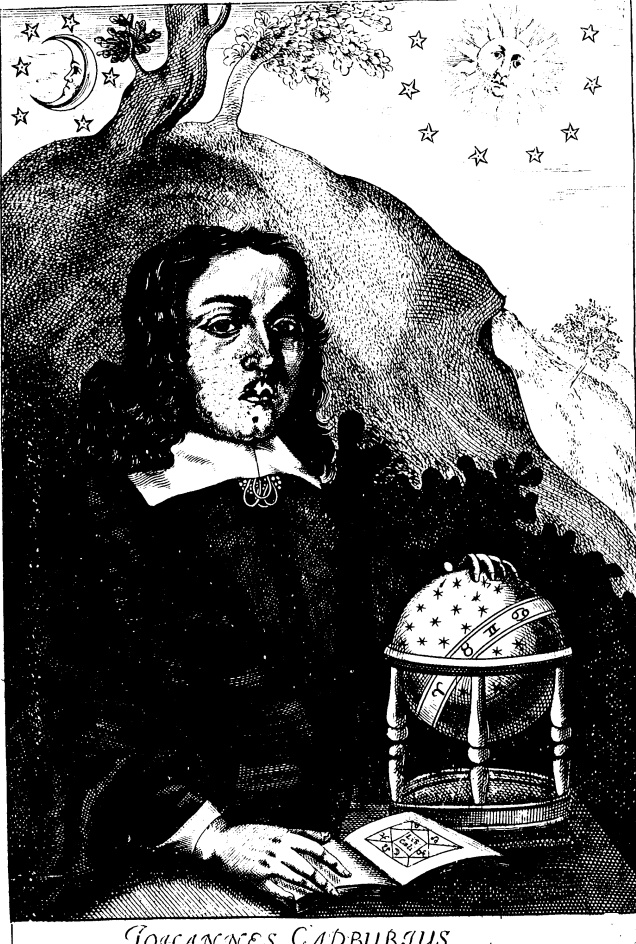
Genethlialogia
John Gadbury | 1658
Thaumaturgia
Richard Harris Dalton Barham | 1835
Manual of Astrology
Raphael (Robert Cross Smith) | 1828
Brewer's Dictionary of Phrase & Fable
E. Cobham Brewer | 1870
Clavis Astrologiae Elimata
Henry Coley | 1669
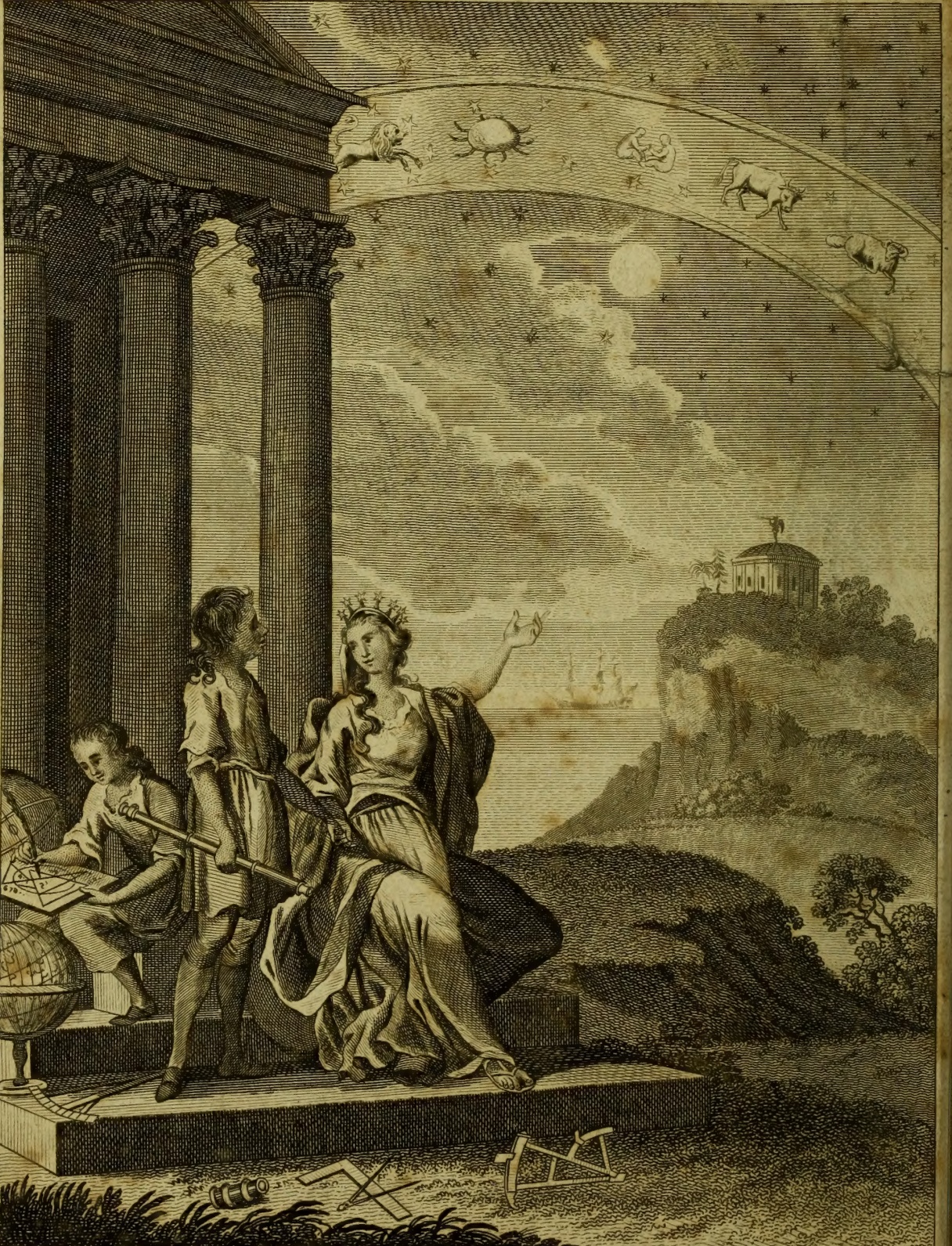
Illustration of the Occult Sciences
Ebenezer Sibly | 1784

Human Animals
Frank Hamel | 1915
Christian Astrology
William Lilly | 1647