Identity
highMandrake has an important identity split in the archive. King's American Dispensatory discusses 'mandrake root' in a podophyllum manufacturing process, while European mandragora folklore and occult symbolism form a separate tradition.
Mandragora officinarum
Mandrake appears in Hermetikon as an archive-backed plant entry, with references across historical medical, magical, symbolic, and ritual contexts where the source texts support them.
Identity, safety, and search aliases used to connect this herb to the archive.
Contains tropane alkaloids and is associated with anticholinergic poisoning.
Historical archive citations are not medical advice. Use modern clinical and poison-control sources for ingestion, dosage, pregnancy, and toxicity questions.
Curated archive synthesis of recurring uses, recipes, rituals, and interpretive problems.
Hermetikon's curated reading of Mandrake (Mandragora officinarum) is built from 3 source-linked archive notes and 1 preparation or ritual-use entry. The strongest recurring contexts are folk magic, identity, and safety. Each note below links back to the archive source used for the claim.
Mandrake has an important identity split in the archive. King's American Dispensatory discusses 'mandrake root' in a podophyllum manufacturing process, while European mandragora folklore and occult symbolism form a separate tradition.
The magical mandrake material centers on human-shaped roots, hand-of-glory lore, and treasure or power traditions. These sources read as folklore and occult reception history, not botanical instructions.
IV. The Mistletoe and the Golden Bough.
Mandrake also carries a recurring danger motif. Witchcraft and demonology material describes mandragora as a potion with fatal consequences, and other archive references place it near narcotic or poisonous plants.
NOTES TO CHAPTER V
King's describes exhausting coarsely powdered mandrake root with alcohol in the manufacture of resin of podophyllum, making this American mandrake identity material.
Compact source patterns from the extracted citation set.
1 passage across 1 book; strongest source: The Family Herbal.
Matched as mandrake; high confidence.
5 passages across 5 books; strongest source: Clavis Astrologiae Elimata.
Matched as mandrake; high confidence.
1 passage across 1 book; strongest source: The Golden Bough.
Matched as mandragora; high confidence.
3 passages across 3 books; strongest source: Anatomy of Melancholy.
Matched as mandrake; high confidence.
5 passages across 5 books; strongest source: Hermetic and Alchemical Writings of Paracelsus.
Matched as mandragora; high confidence.
Representative public passages with the herb mention highlighted and linked to archive source material.
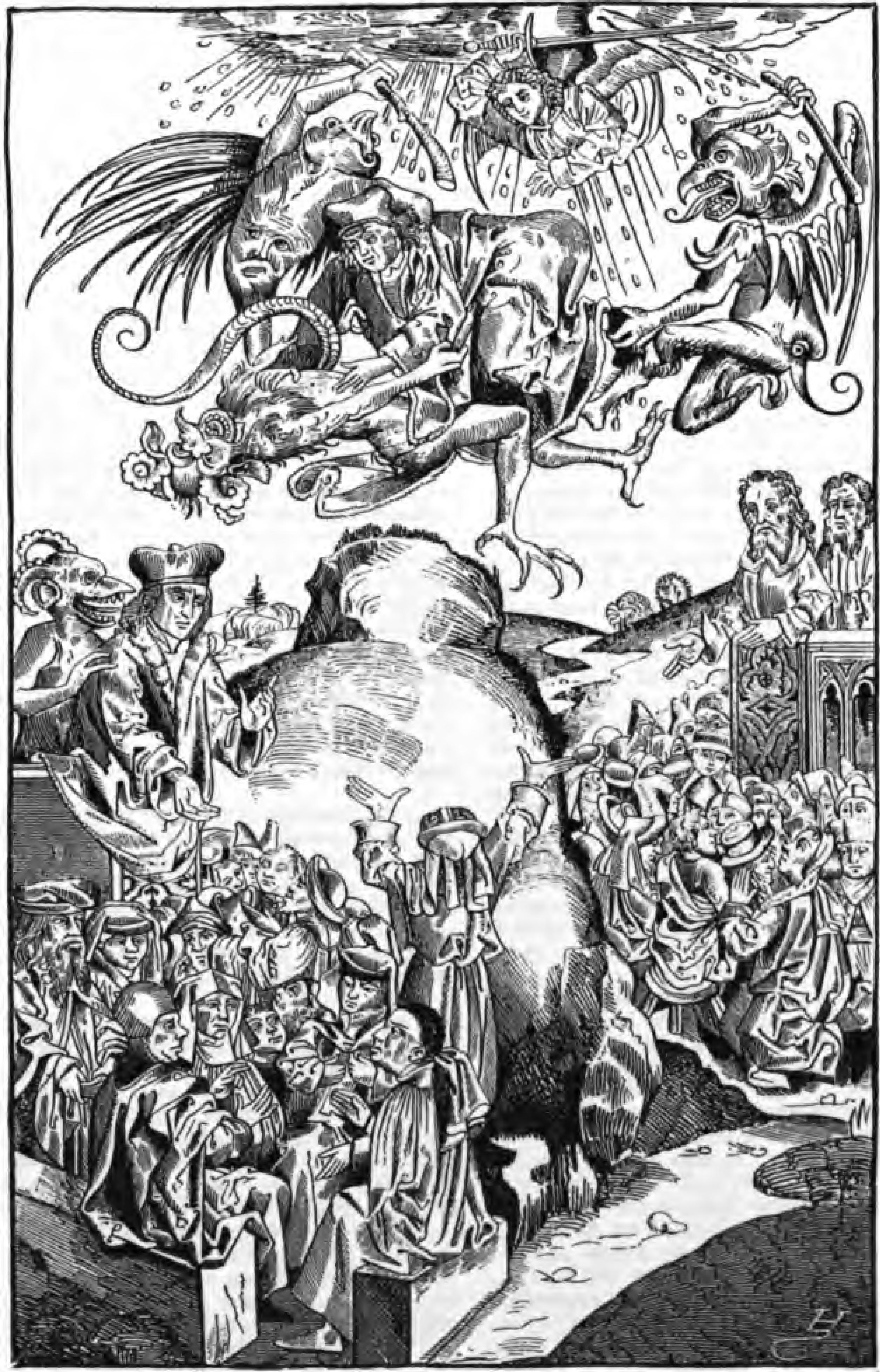
Complete public source inventory, placed after the interpretive reading so the page opens with the most useful synthesis first.
The Evolution of the Dragon
G. Elliot Smith | 1919
Custom and Myth
Andrew Lang | 1884
King's American Dispensatory
Harvey Wickes Felter | 1854
Custom and Myth
Andrew Lang | 1884
The Secret Doctrine Index
H. P. Blavatsky | 1897
Anatomy of Melancholy
Robert Burton | 1621
Encyclopaedia of Occultism
Lewis Spence | 1920
Witchcraft, Magic & Alchemy
Grillot de Givry | 1929
Culpeper's Complete Herbal
Nicholas Culpeper | 1653
History of Witchcraft and Demonology
Montague Summers | 1926
An Introduction to Mythology
George W. Cox | 1873
Isis Unveiled Vol. 1
Helena Petrovna Blavatsky | 1877
Demonology and Devil-lore
Moncure Daniel Conway | 1879
Brewer's Dictionary of Phrase & Fable
E. Cobham Brewer | 1870
Three Books of Occult Philosophy
Heinrich Cornelius Agrippa von Nettesheim | 1533
The Book of Witches
Unknown Author (Historical Compilation) | 1900
The Blood Covenant
H. Clay Trumbull | 1885
The Family Herbal
John Hill | 1755
Hastings' Encyclopaedia of Religion and Ethics
James Hastings | 1908
The Prophecies
Michel de Nostredame (Nostradamus) | 1555
Christian Astrology
William Lilly | 1647
Magick in Theory and Practice
Aleister Crowley | 1929
Myths and Dreams
Edward Clodd | 1885
Isis Unveiled, Vol. 2: Theology
Helena Petrovna Blavatsky | 1877
Le streghe
Jules Michelet | 1862
The Golden Bough
James George Frazer | 1913
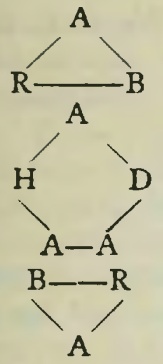
Liber 777
Aleister Crowley | 1909
The Evil Eye
Frederick Thomas Elworthy | 1895
Bygone Beliefs
H. Stanley Redgrove | 1920
The Influence of the Stars
Rosa Baughan | 1880
The Magus (Vol 1)
Francis Barrett | 1801
The Secret Doctrine, Vol. 2: Anthropogenesis
Helena Petrovna Blavatsky | 1888
Modern Magic
Angelo John Lewis | 1876
Hastings' Encyclopaedia of Religion and Ethics
James Hastings | 1926
Manual of Astrology
Raphael (Robert Cross Smith) | 1828
Compendium Maleficarum
Francesco Maria Guazzo | 1608
Pseudomonarchia Daemonum
Johann Weyer (Johannes Wierus) | 1577
Bilder der Wunderkunst
Karl Grabner (Attributed/Editor) | 1834
The Equinox Vol. 1 No. 4
Aleister Crowley | 1910
Hermetic and Alchemical Writings of Paracelsus
Philippus Aureolus Theophrastus Bombast von Hohenheim (Paracelsus) | 1493
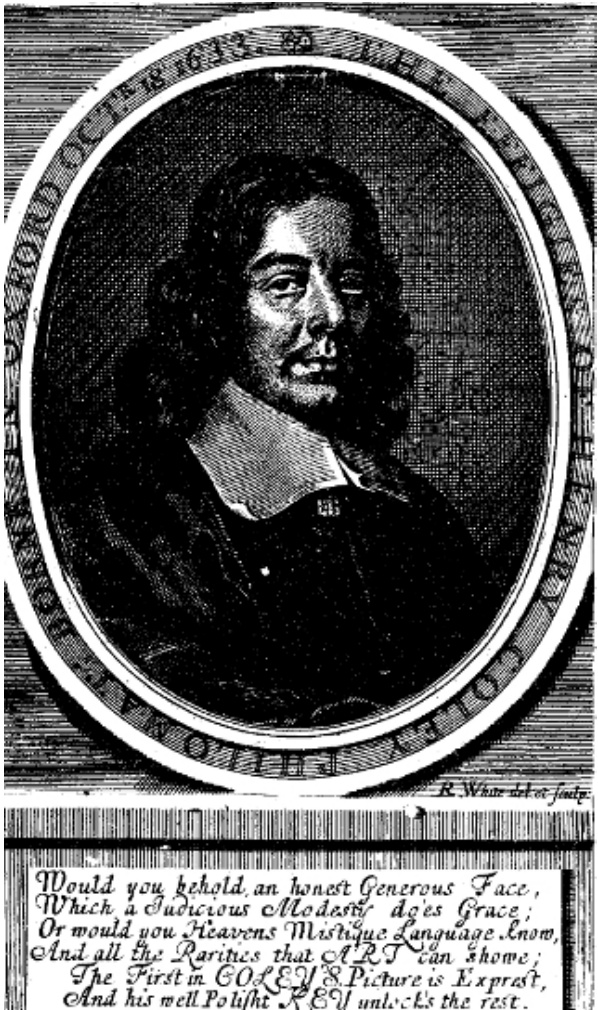
Clavis Astrologiae Elimata
Henry Coley | 1669
The Equinox Vol. 1 No. 5
Aleister Crowley | 1911
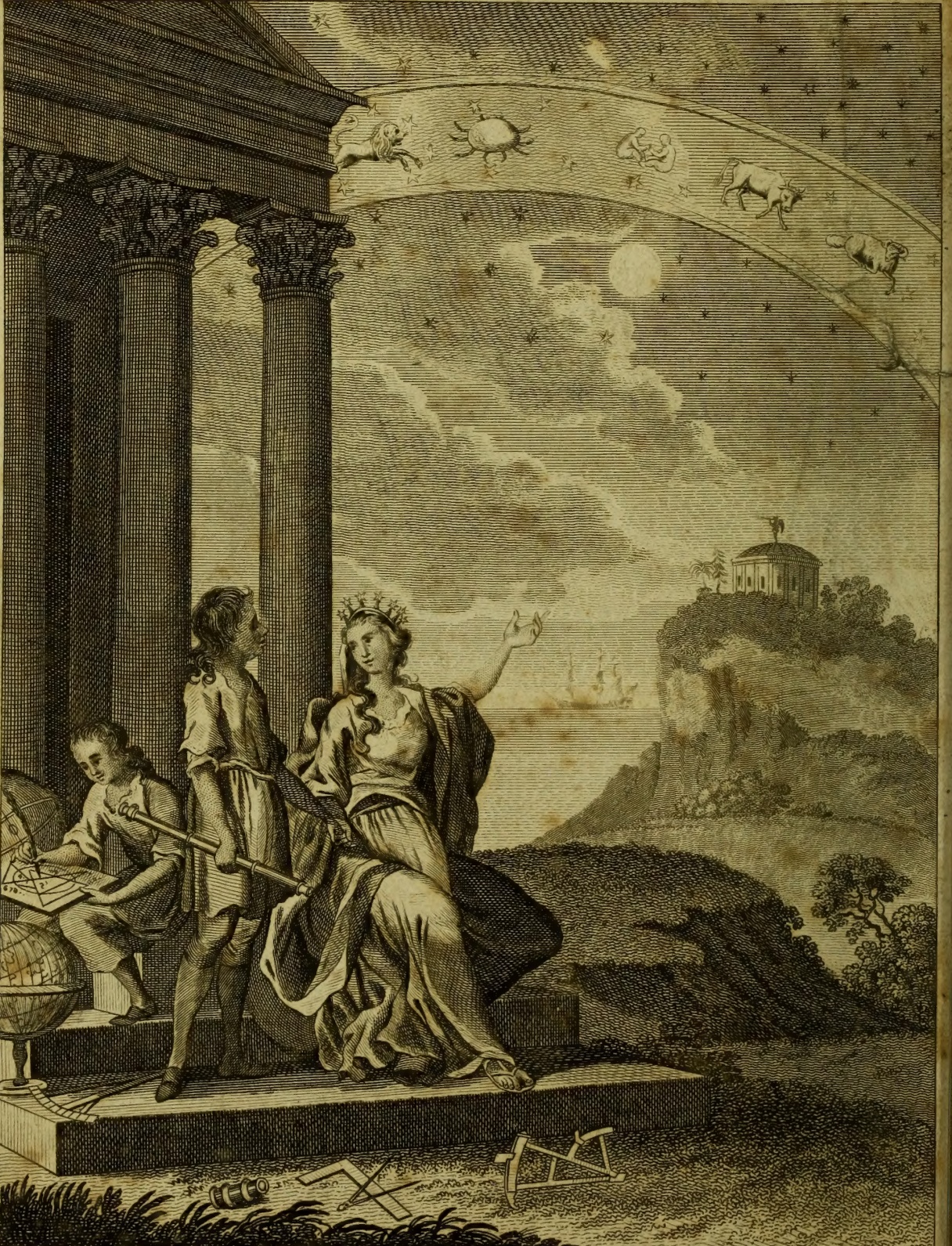
Illustration of the Occult Sciences
Ebenezer Sibly | 1784
The Coming of the Fairies
Arthur Conan Doyle | 1922
The Equinox Vol. 1 No. 7
Aleister Crowley | 1912
Signs, Omens and Superstitions
George Lyman Kittredge | 1915
Guide for the Perplexed
Moses Maimonides | 1190
The Equinox Vol. 1 No. 3
Aleister Crowley | 1910
Principia Discordia
Malaclypse the Younger (Gregory Hill) | 1963