Folk magic
highSpence uses eyebright as a textbook doctrine-of-signatures example: its pupil-like spot was taken to mark it as an eye remedy.
Euphrasia officinalis
Eyebright appears in Hermetikon as an archive-backed plant entry, with references across historical medical, magical, symbolic, and ritual contexts where the source texts support them.
Identity, safety, and search aliases used to connect this herb to the archive.
Eye-use preparations raise contamination and infection concerns; modern data is limited.
Historical archive citations are not medical advice. Use modern clinical and poison-control sources for ingestion, dosage, pregnancy, and toxicity questions.
Curated archive synthesis of recurring uses, recipes, rituals, and interpretive problems.
Hermetikon's curated reading of Eyebright (Euphrasia officinalis) is built from 3 source-linked archive notes and 1 preparation or ritual-use entry. The strongest recurring contexts are medicine, folk magic, and identity. Each note below links back to the archive source used for the claim.
Spence uses eyebright as a textbook doctrine-of-signatures example: its pupil-like spot was taken to mark it as an eye remedy.
Jastrow repeats the same signature logic, saying euphrasia or eyebright was considered useful for sore eyes because of the bright eye-like mark in its corolla.
Hill anchors eyebright under the Latin name Euphrasia and describes it as a low meadow herb, but the cited passage is mostly botanical rather than procedural.
Jastrow's evidence supports an eye-use rationale based on the flower's eye-like corolla mark, but it does not preserve a practical dosing recipe.
Compact source patterns from the extracted citation set.
3 passages across 3 books; strongest source: Bygone Beliefs.
Matched as eye-bright; high confidence.
5 passages across 3 books; strongest source: Culpeper's Complete Herbal.
Matched as eyebright; high confidence.
1 passage across 1 book; strongest source: Encyclopaedia of Occultism.
Matched as eyebright; high confidence.
4 passages across 3 books; strongest source: Culpeper's Complete Herbal.
Matched as eyebright; high confidence.
Representative public passages with the herb mention highlighted and linked to archive source material.
Complete public source inventory, placed after the interpretive reading so the page opens with the most useful synthesis first.
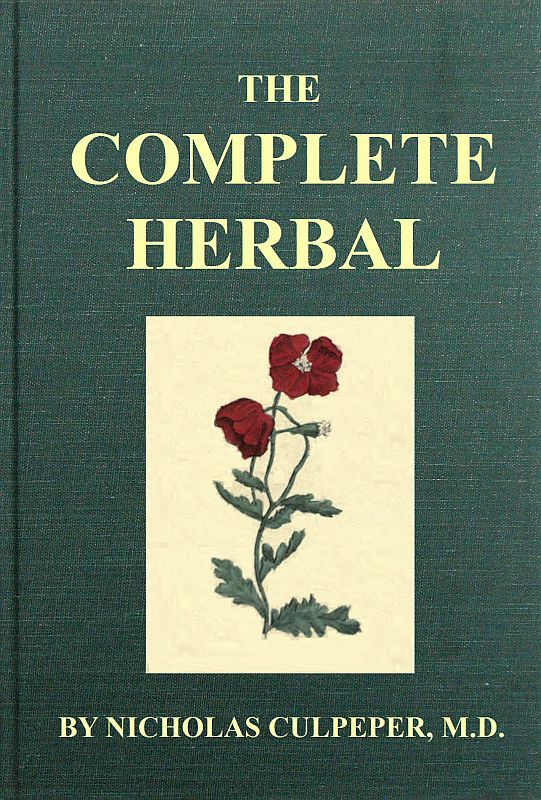
Culpeper's Complete Herbal
Nicholas Culpeper | 1653
Myths and Dreams
Edward Clodd | 1885
Encyclopaedia of Occultism
Lewis Spence | 1920
Fact and Fable in Psychology
Joseph Jastrow | 1900
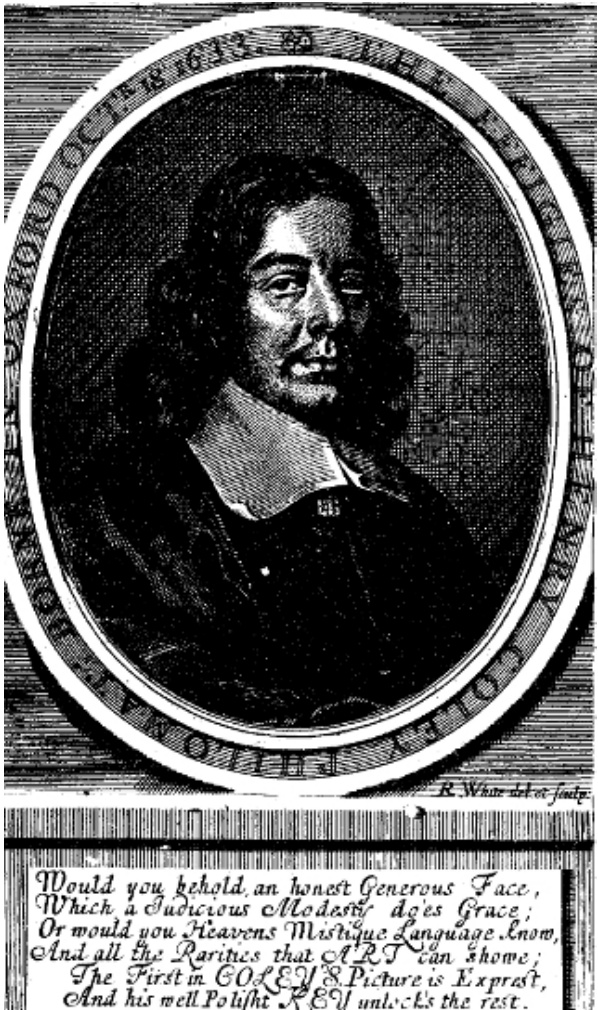
Clavis Astrologiae Elimata
Henry Coley | 1669
Magic and Fetishism
Alfred Cruikshank Haddon | 1906
Bygone Beliefs
H. Stanley Redgrove | 1920
The Family Herbal
John Hill | 1755
Anatomy of Melancholy
Robert Burton | 1621
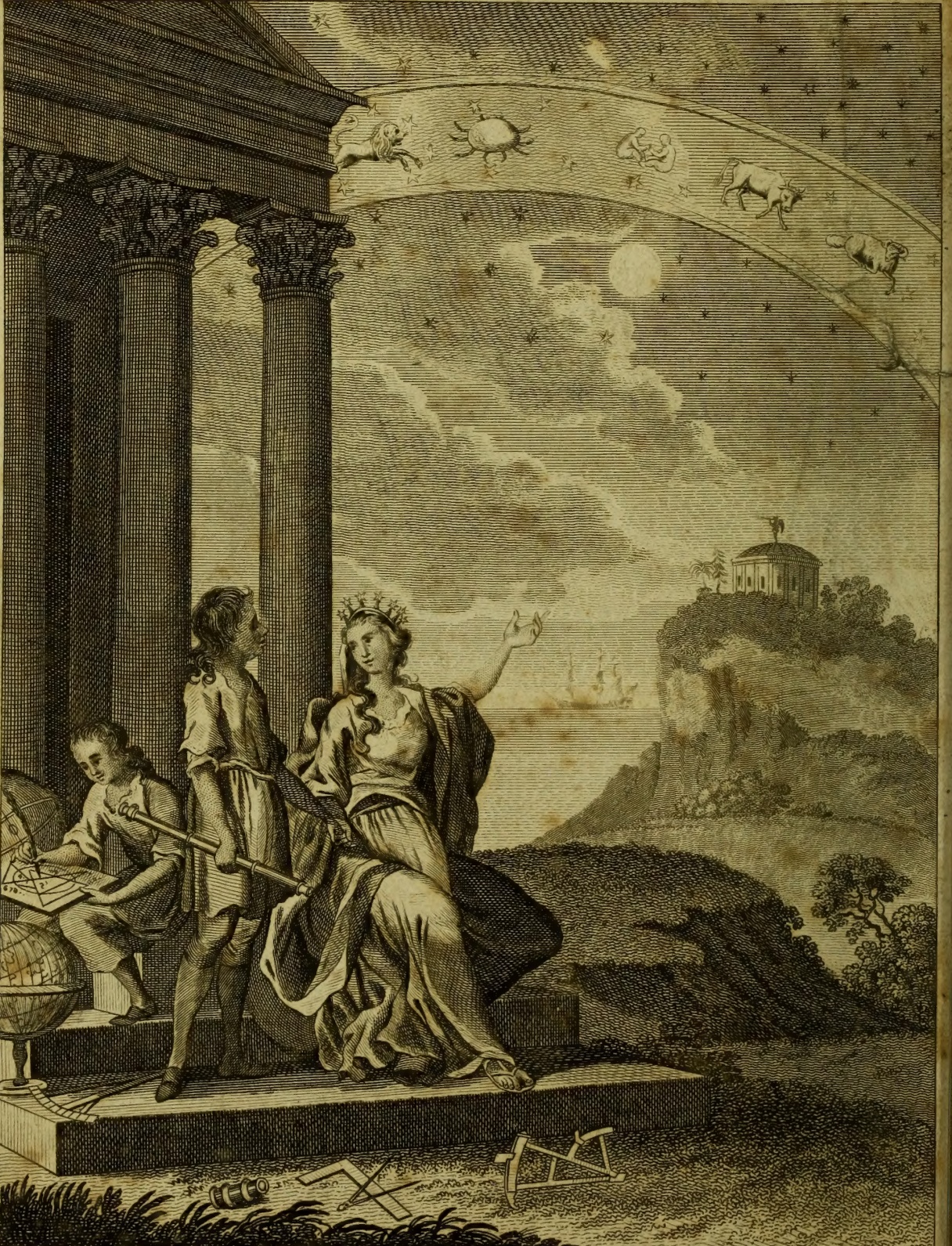
Illustration of the Occult Sciences
Ebenezer Sibly | 1784
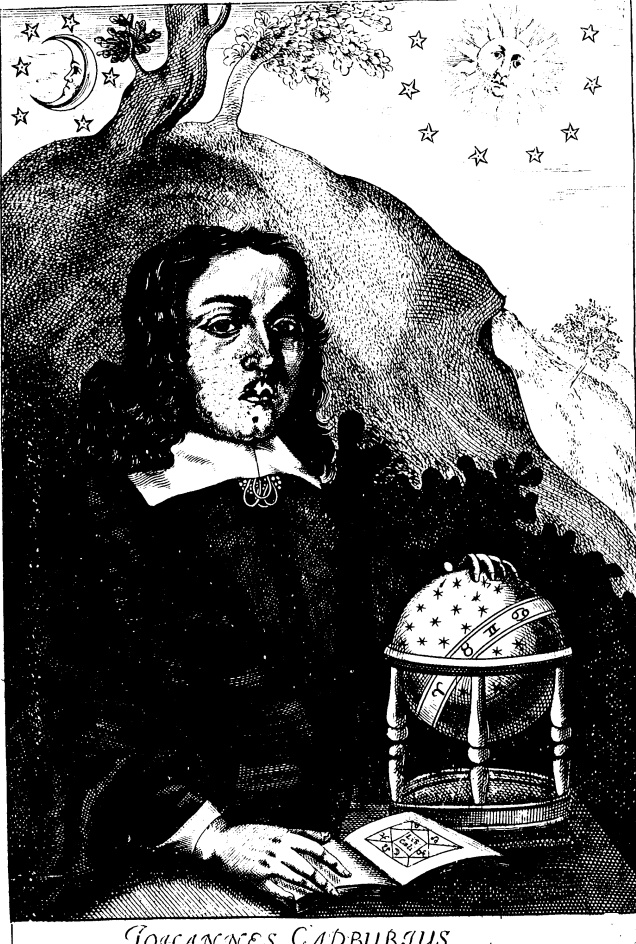
Genethlialogia
John Gadbury | 1658