Preparation
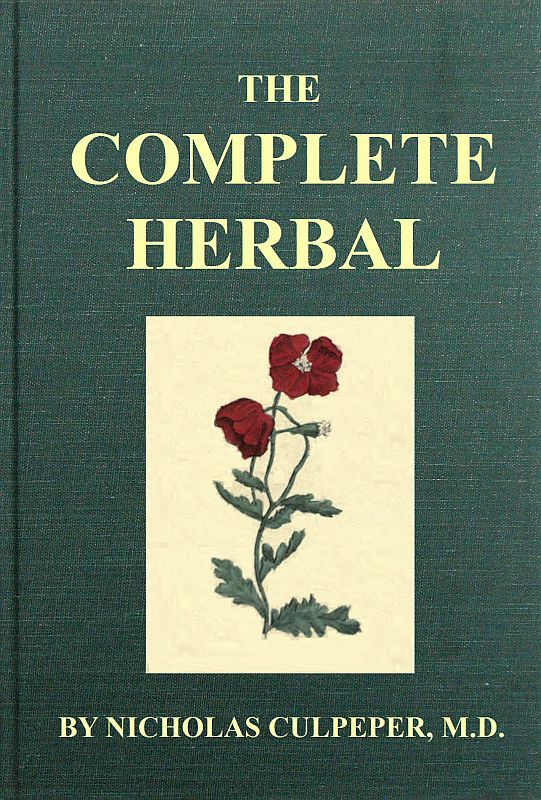
highCulpeper uses sweet fennel seed in a compound syrup with senna, anise, rhubarb, ginger, mace, cinnamon, saffron, and medicinal waters.
Foeniculum vulgare
Fennel appears in Hermetikon as an archive-backed plant entry, with references across historical medical, magical, symbolic, and ritual contexts where the source texts support them.
Identity, safety, and search aliases used to connect this herb to the archive.
Pregnancy and concentrated-oil cautions are appropriate for medicinal use.
Historical archive citations are not medical advice. Use modern clinical and poison-control sources for ingestion, dosage, pregnancy, and toxicity questions.
Curated archive synthesis of recurring uses, recipes, rituals, and interpretive problems.
Hermetikon's curated reading of Fennel (Foeniculum vulgare) is built from 3 source-linked archive notes and 2 preparation or ritual-use entries. The strongest recurring contexts are preparations, ritual uses, and symbolism. Each note below links back to the archive source used for the claim.
Culpeper uses sweet fennel seed in a compound syrup with senna, anise, rhubarb, ginger, mace, cinnamon, saffron, and medicinal waters.
Frazer records long fennel among the greenery used to shadow doors on St. John's Eve, beside birch, St. John's wort, orpine, lilies, garlands, and lamps.
§ 4. The Midsummer Fires.
In Frazer's Adonis material, fennel is one of the fast-sprouting plants sown in the short-lived gardens of Adonis and then cast away with the dead god's images.
Chapter X. The Gardens of Adonis.
Culpeper's syrup steeps sweet fennel seed with anise, senna, rhubarb, ginger, mace, cinnamon, saffron, juices, and medicinal waters.
Frazer records long fennel among the plants hung over doors with garlands and lamps on St. John's Eve.
§ 4. The Midsummer Fires.
Compact source patterns from the extracted citation set.
5 passages across 5 books; strongest source: Encyclopaedia of Occultism.
Matched as fennel; high confidence.
1 passage across 1 book; strongest source: The Golden Bough.
Matched as fennel; high confidence.
8 passages across 8 books; strongest source: Anatomy of Melancholy.
Matched as fennel; high confidence.
1 passage across 1 book; strongest source: Three Books of Occult Philosophy.
Matched as fennel; high confidence.
Representative public passages with the herb mention highlighted and linked to archive source material.
Complete public source inventory, placed after the interpretive reading so the page opens with the most useful synthesis first.
Culpeper's Complete Herbal
Nicholas Culpeper | 1653
King's American Dispensatory
Harvey Wickes Felter | 1854
Anatomy of Melancholy
Robert Burton | 1621
The Family Herbal
John Hill | 1755
Fairy-Faith in Celtic Countries
W. Y. Evans-Wentz | 1911
The Golden Bough
James George Frazer | 1906
Brewer's Dictionary of Phrase & Fable
E. Cobham Brewer | 1870
Theogony & Works and Days
Hesiod | 700 BCE
The Golden Bough
James George Frazer | 1913
The Golden Bough
James George Frazer | 1890
Modern Mythology
Charles Kingsley | 1873
Balder the Beautiful, Volume I
James George Frazer | 1913
Hastings' Encyclopaedia of Religion and Ethics
James Hastings | 1913
The Golden Bough
James George Frazer | 1907
The Golden Bough
James George Frazer | 1890
Thaumaturgia
Richard Harris Dalton Barham | 1835
Three Books of Occult Philosophy
Heinrich Cornelius Agrippa von Nettesheim | 1533
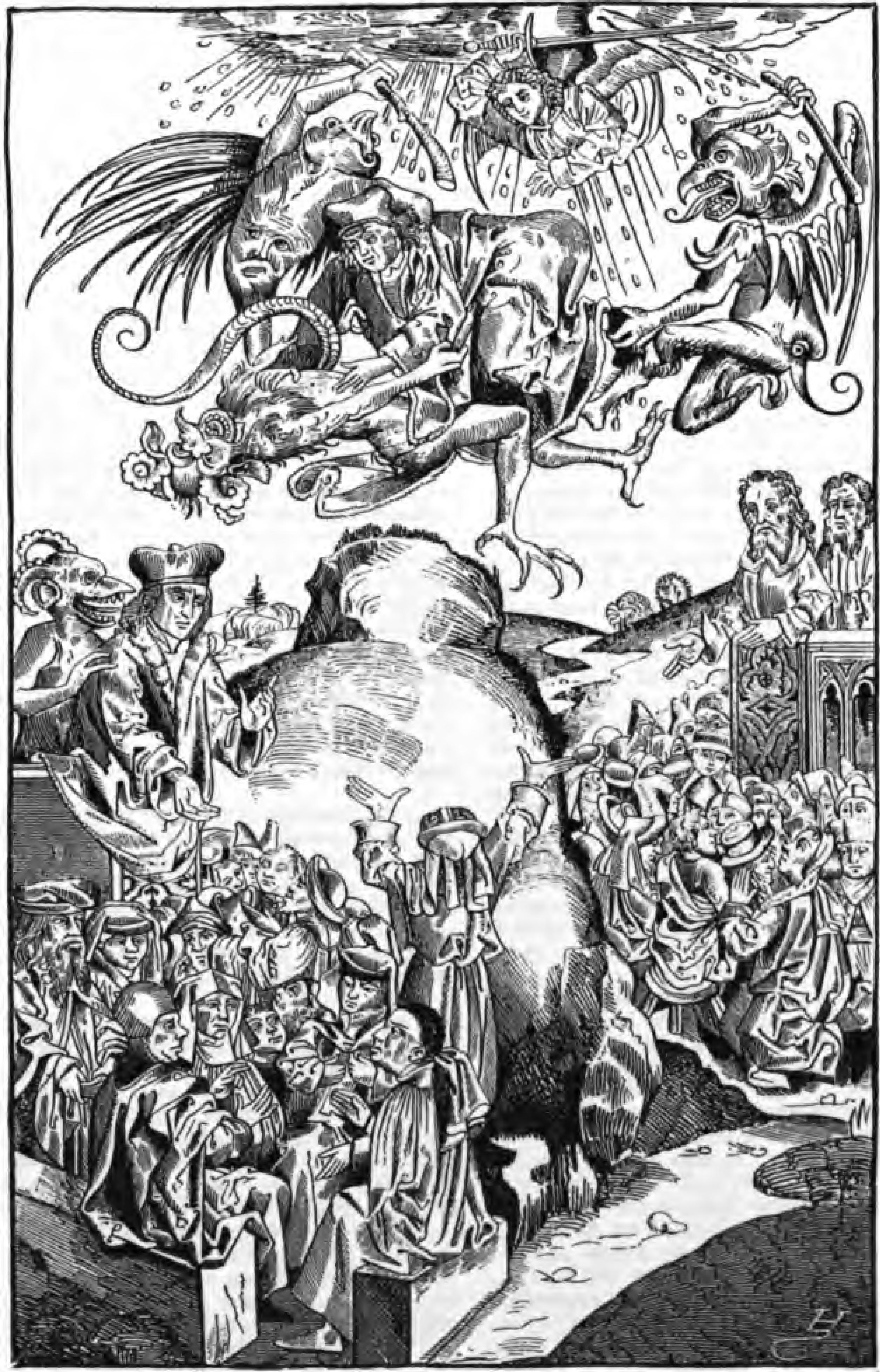
Encyclopaedia of Occultism
Lewis Spence | 1920
Key of Solomon
King Solomon | 1400
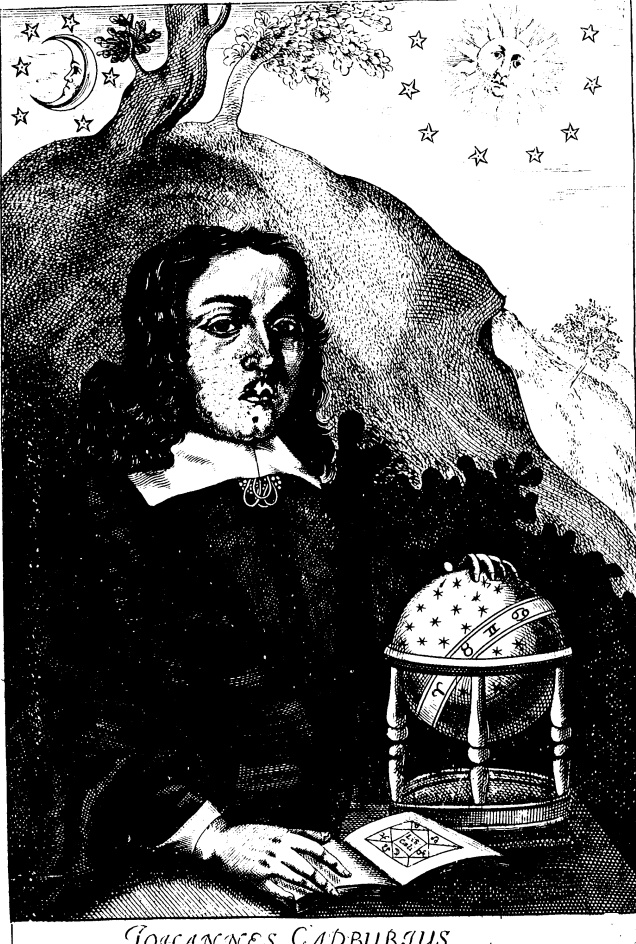
Genethlialogia
John Gadbury | 1658
Clavis Astrologiae Elimata
Henry Coley | 1669
Illustration of the Occult Sciences
Ebenezer Sibly | 1784