Medicine
highHill identifies dill seed as the medicinal part and recommends it against colic, while treating the hiccough claim more cautiously from experience.
Anethum graveolens
Dill appears in Hermetikon as an archive-backed plant entry, with references across historical medical, magical, symbolic, and ritual contexts where the source texts support them.
Identity, safety, and search aliases used to connect this herb to the archive.
Culinary use is generally low concern; concentrated oil and medicinal dosing require caution.
Historical archive citations are not medical advice. Use modern clinical and poison-control sources for ingestion, dosage, pregnancy, and toxicity questions.
Curated archive synthesis of recurring uses, recipes, rituals, and interpretive problems.
Hermetikon's curated reading of Dill (Anethum graveolens) is built from 3 source-linked archive notes and 2 preparation or ritual-use entries. The strongest recurring contexts are medicine, preparations, and ritual uses. Each note below links back to the archive source used for the claim.
Hill identifies dill seed as the medicinal part and recommends it against colic, while treating the hiccough claim more cautiously from experience.
Culpeper refers to oil of dill as a preparation model, using it as a comparison point for making oils of poppy flowers, heads, and leaves.
Hamel's transformation folklore uses dill in fountain water with laurel leaves as both lotion and drink to reverse an animal transformation.
CHAPTER XIV TRANSFORMATION IN FOLK-LORE AND FAIRY-TALE
Culpeper treats oil of dill as an established model for preparing other infused medicinal oils.
Hamel's tale uses dill in fountain water with laurel leaves as a washing and drinking preparation to restore human form.
CHAPTER XIV TRANSFORMATION IN FOLK-LORE AND FAIRY-TALE
Compact source patterns from the extracted citation set.
2 passages across 2 books; strongest source: The Complete Book of Fortune.
Matched as dill; high confidence.
3 passages across 3 books; strongest source: Brewer's Dictionary of Phrase & Fable.
Matched as dill; high confidence.
2 passages across 2 books; strongest source: Miscellanies.
Matched as dill; high confidence.
7 passages across 7 books; strongest source: Anatomy of Melancholy.
Matched as dill; high confidence.
Representative public passages with the herb mention highlighted and linked to archive source material.
Complete public source inventory, placed after the interpretive reading so the page opens with the most useful synthesis first.
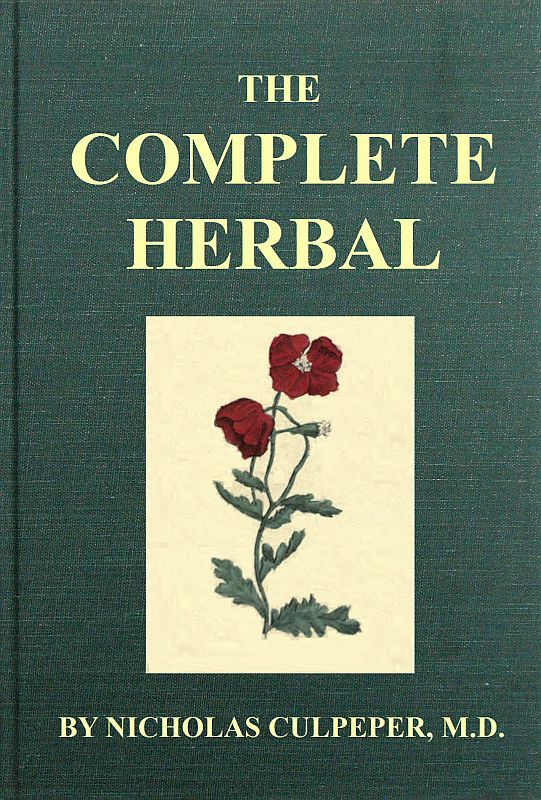
Culpeper's Complete Herbal
Nicholas Culpeper | 1653
King's American Dispensatory
Harvey Wickes Felter | 1854
Hastings' Encyclopaedia of Religion and Ethics
James Hastings | 1918
Anatomy of Melancholy
Robert Burton | 1621
Brewer's Dictionary of Phrase & Fable
E. Cobham Brewer | 1870
Hastings' Encyclopaedia of Religion and Ethics
James Hastings | 1913
Hastings' Encyclopaedia of Religion and Ethics
James Hastings | 1917
The Equinox Vol. 1 No. 3
Aleister Crowley | 1910
Christian Astrology
William Lilly | 1647
The Family Herbal
John Hill | 1755
Human Animals
Frank Hamel | 1915
Witch Stories
E. Lynn Linton | 1861
Hastings' Encyclopaedia of Religion and Ethics
James Hastings | 1926
Hastings' Encyclopaedia of Religion and Ethics
James Hastings | 1908
Primitive Culture Vol 1
Edward B. Tylor | 1871
Miscellanies
John Aubrey | 1696
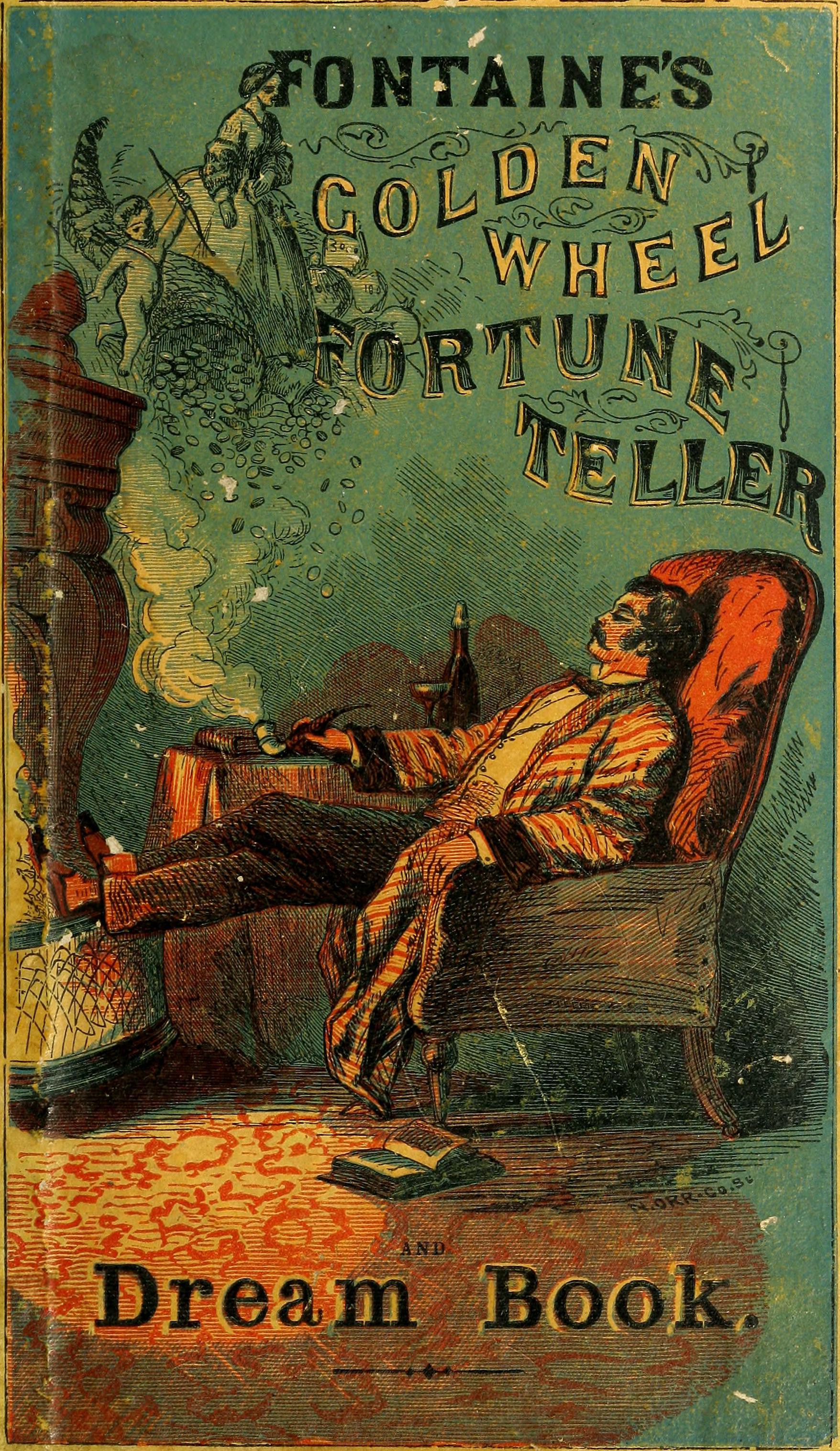
The Complete Book of Fortune
Anonymous | 1930
Chips from a German Workshop (Vol 4)
F. Max Müller | 1875
Hastings' Encyclopaedia of Religion and Ethics
James Hastings | 1916
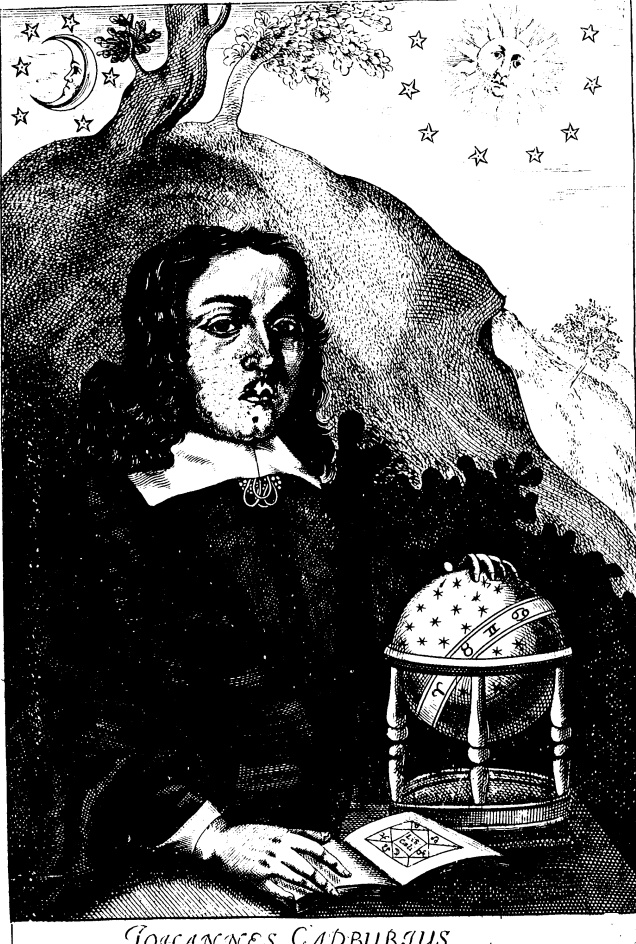
Genethlialogia
John Gadbury | 1658
The Discoverie of Witchcraft
Reginald Scot | 1584
Psychology of Suggestion
Boris Sidis | 1898
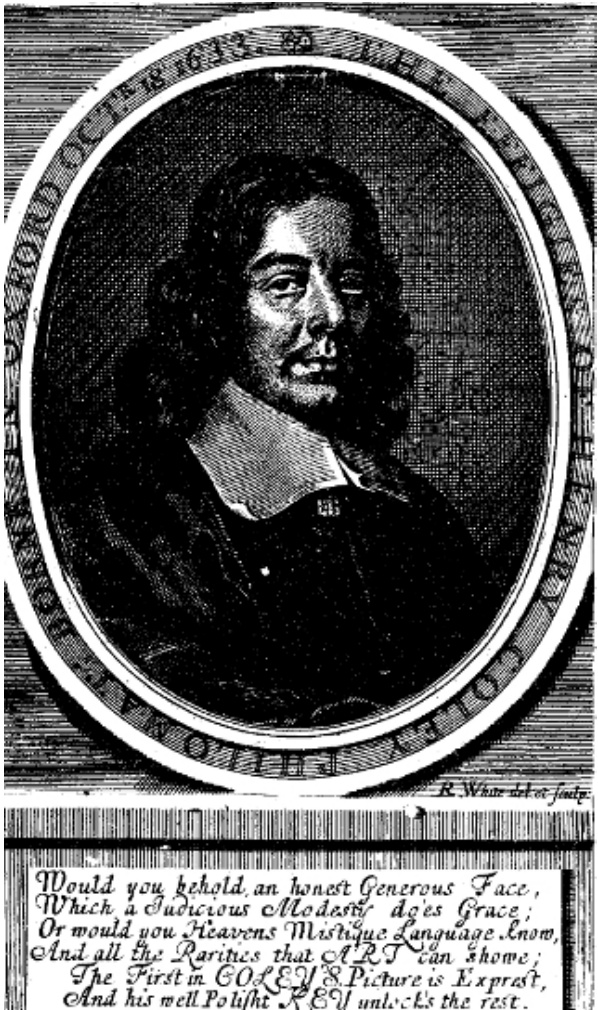
Clavis Astrologiae Elimata
Henry Coley | 1669
The Equinox Vol. 1 No. 10
Aleister Crowley | 1913
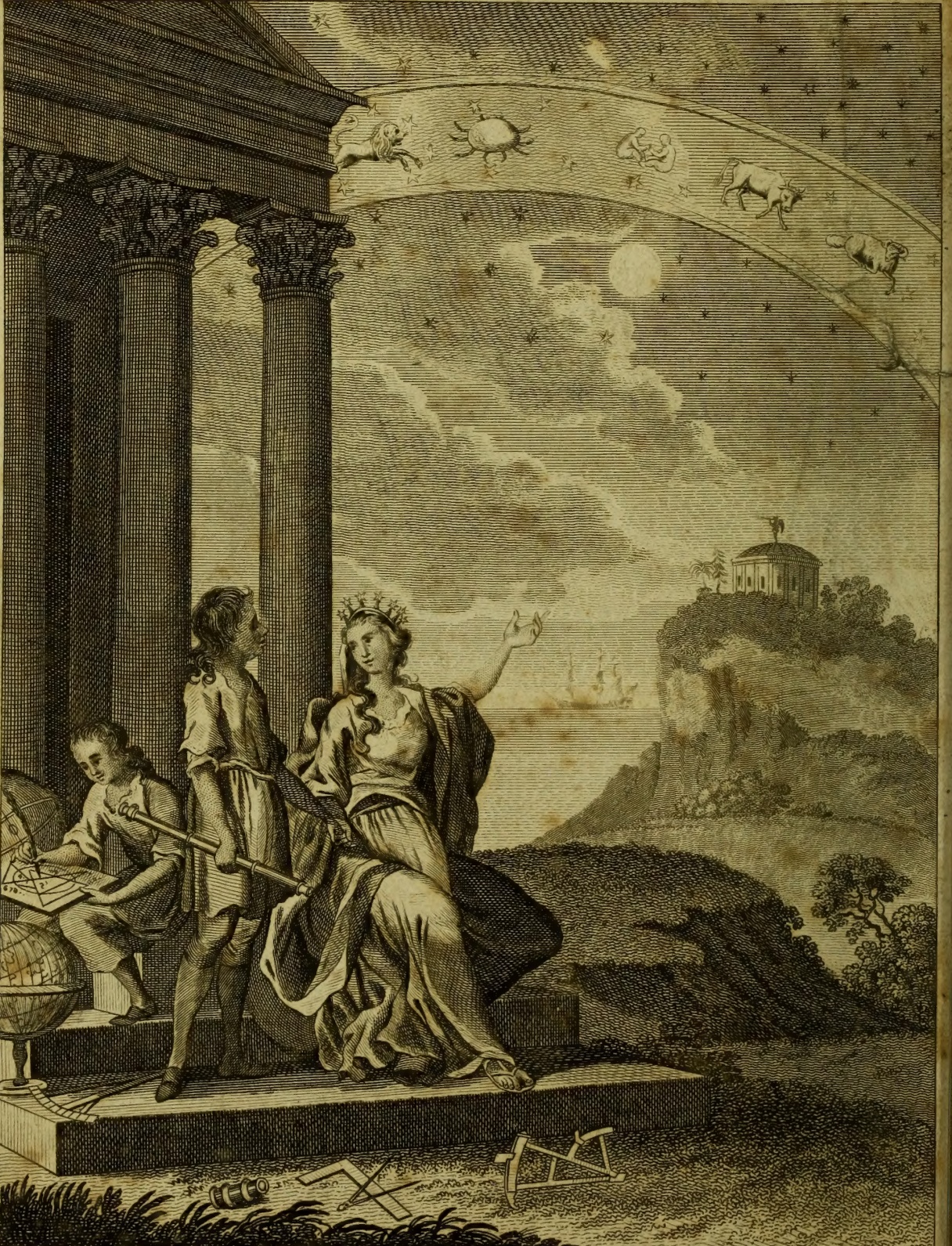
Illustration of the Occult Sciences
Ebenezer Sibly | 1784
Principia Discordia
Malaclypse the Younger (Gregory Hill) | 1963