Preparation
highHill's green oil recipe uses bay leaves with green chamomile, sea-wormwood, rue, sweet marjoram, and olive oil for rubbing painful or swollen limbs.
Laurus nobilis
Bay Laurel appears in Hermetikon as an archive-backed plant entry, with references across historical medical, magical, symbolic, and ritual contexts where the source texts support them.
Identity, safety, and search aliases used to connect this herb to the archive.
Culinary leaf use is generally low concern; oils and non-laurel plants require caution.
Historical archive citations are not medical advice. Use modern clinical and poison-control sources for ingestion, dosage, pregnancy, and toxicity questions.
Curated archive synthesis of recurring uses, recipes, rituals, and interpretive problems.
Hermetikon's curated reading of Bay Laurel (Laurus nobilis) is built from 3 source-linked archive notes and 2 preparation or ritual-use entries. The strongest recurring contexts are preparations, ritual uses, and astrology. Each note below links back to the archive source used for the claim.
Hill's green oil recipe uses bay leaves with green chamomile, sea-wormwood, rue, sweet marjoram, and olive oil for rubbing painful or swollen limbs.
Agrippa uses bay leaves as a solar wrapper: a solary thing is wrapped in bay leaves and worn with a yellow or golden thread while the Sun rules.
Frazer records laurel branches among the materials burned while flocks were driven through fire for purification.
CHAPTER XIX ST. GEORGE AND THE PARILIA
Hill's green oil boils bruised bay leaves with chamomile, sea-wormwood, rue, sweet marjoram, and olive oil for external rubbing.
Signs, Omens and Superstitions records five bay leaves pinned to a pillow on Valentine's Eve for dream divination about marriage.
Compact source patterns from the extracted citation set.
1 passage across 1 book; strongest source: The Golden Bough.
Matched as laurel; medium confidence.
8 passages across 8 books; strongest source: Brewer's Dictionary of Phrase & Fable.
Matched as bay leaves; high confidence.
4 passages across 4 books; strongest source: Culpeper's Complete Herbal.
Matched as bay leaves; high confidence.
1 passage across 1 book; strongest source: The Golden Bough.
Matched as laurel; medium confidence.
Representative public passages with the herb mention highlighted and linked to archive source material.
Complete public source inventory, placed after the interpretive reading so the page opens with the most useful synthesis first.
Encyclopaedia of Antiquities
Thomas Dudley Fosbroke | 1825
Metamorphoses (Books I-VII)
Ovid (Publius Ovidius Naso) | 8
Culpeper's Complete Herbal
Nicholas Culpeper | 1653
Morals and Dogma
Albert Pike | 1871
Encyclopaedia of Occultism
Lewis Spence | 1920
King's American Dispensatory
Harvey Wickes Felter | 1854
Brewer's Dictionary of Phrase & Fable
E. Cobham Brewer | 1870
Modern Mythology
Charles Kingsley | 1873
The Chemical Wedding
Johann Valentin Andreae (attributed) | 1616
Student's Mythology
Catherine Ann White | 1873
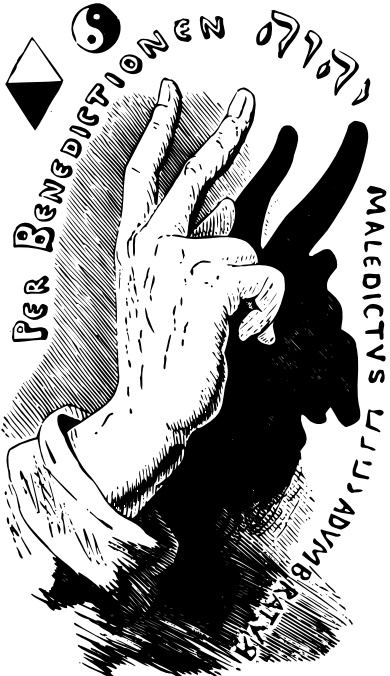
Transcendental Magic
Eliphas Levi | 1854
A Book of Myths
Andrew Lang | 1889
Hastings' Encyclopaedia of Religion and Ethics
James Hastings | 1908
The Family Herbal
John Hill | 1755
Star Names
Richard Hinckley Allen | 1899
The Magus (Vol 1)
Francis Barrett | 1801
Ten Thousand Dreams Interpreted
Gustavus Hindman Miller | 1901
Metamorphoses (Books VIII-XV)
Publius Ovidius Naso (Ovid) | 8
Sworn Book of Honorius
Honorius of Thebes (Legendary/Unknown) | 1250
Bible Myths
Thomas William Doane | 1882
Thaumaturgia
Richard Harris Dalton Barham | 1835
The Age of Fable
Thomas Bulfinch | 1855
Primitive Culture, Vol. 2
Edward Burnett Tylor | 1871
The Golden Bough
James George Frazer | 1906
Domestic Folk-lore
Thomas Firminger Thiselton-Dyer | 1881
Signs, Omens and Superstitions
George Lyman Kittredge | 1915
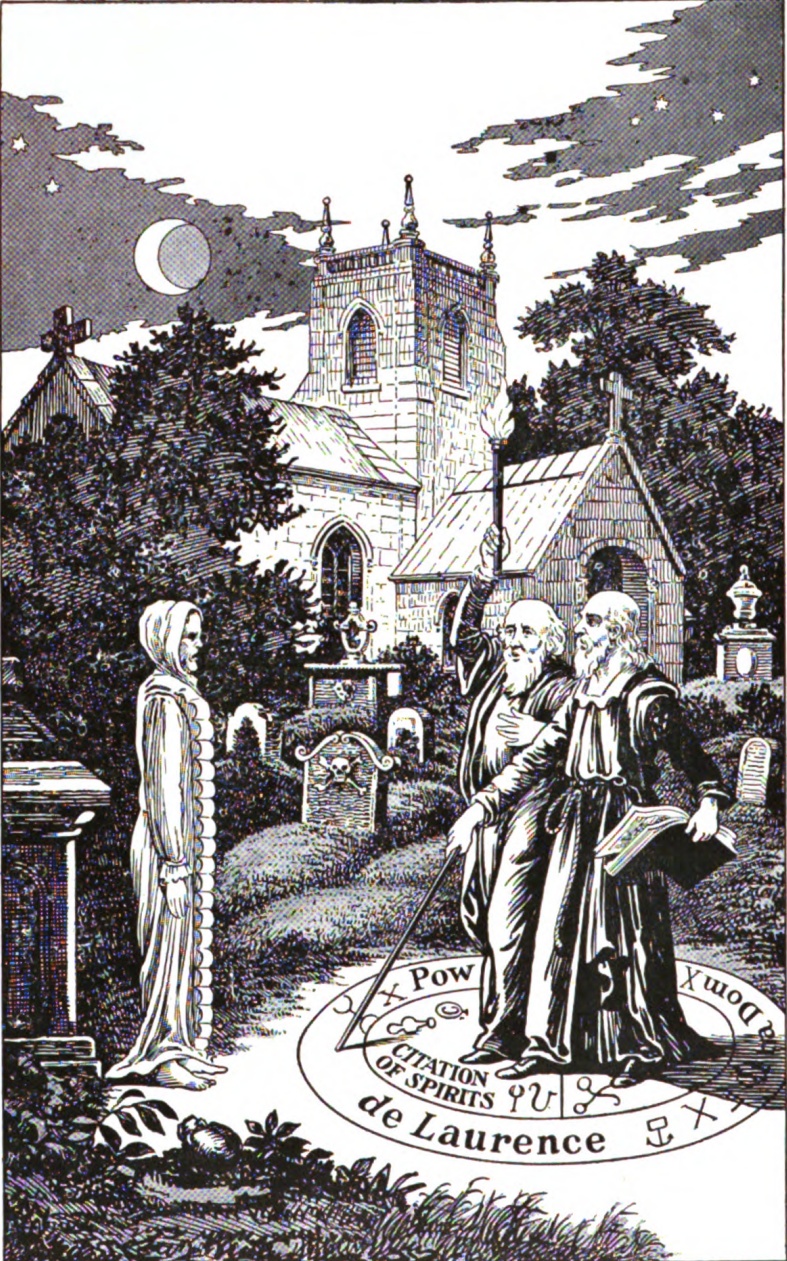
Book of Black Magic
Arthur Edward Waite | 1898
Anatomy of Melancholy
Robert Burton | 1621
Human Animals
Frank Hamel | 1915
The Evolution of the Dragon
G. Elliot Smith | 1919
Transcendental Magic
Éliphas Lévi (Alphonse Louis Constant) | 1856
Illustration of the Occult Sciences
Ebenezer Sibly | 1784
Hastings' Encyclopaedia of Religion and Ethics
James Hastings | 1918
Heathen Mythology
Anonymous | 1842
Three Books of Occult Philosophy
Heinrich Cornelius Agrippa von Nettesheim | 1533
Fourth Book & Magical Treatises
Heinrich Cornelius Agrippa (attributed) | 1655
The Golden Bough
James George Frazer | 1890
The Golden Bough
James George Frazer | 1913
The Discoverie of Witchcraft
Reginald Scot | 1584
The Golden Bough
James George Frazer | 1906

The Authentic Red Dragon and Black Hen
Anonymous | 1800
Five Books of Mystery
John Dee | 1564
Pictorial Key to the Tarot
Arthur Edward Waite | 1911
Myths of Greece and Rome
H.A. Guerber | 1897
The Dawn of History
Charles Francis Keary | 1878
Theogony & Works and Days
Hesiod | 700 BCE
The Book of Witches
Unknown Author (Historical Compilation) | 1900
Myth, Ritual and Religion Vol. 2
Andrew Lang | 1887
The Influence of the Stars
Rosa Baughan | 1880
Hastings' Encyclopaedia of Religion and Ethics
James Hastings | 1917
Philosophumena (Vol 1)
Hippolytus of Rome | 222
Bulfinch's Mythology
Thomas Bulfinch | 1855
Religions of Primitive Peoples
Daniel Garrison Brinton | 1897
An Introduction to Mythology
George W. Cox | 1873
Hastings' Encyclopaedia of Religion and Ethics
James Hastings | 1926
Hermetic and Alchemical Writings of Paracelsus
Philippus Aureolus Theophrastus Bombast von Hohenheim (Paracelsus) | 1493
Fact and Fable in Psychology
Joseph Jastrow | 1900
The Phantom World
Augustine Calmet | 1746
Principia Discordia
Malaclypse the Younger (Gregory Hill) | 1963

Heaven and Hell
Emanuel Swedenborg | 1758
Hastings' Encyclopaedia of Religion and Ethics
James Hastings | 1916