ermetikon

Curated archive path

Hermeticism and Alchemy Reading List

This reading list moves from core Hermetic texts into modern Hermetic reception and then into alchemical source material, keeping philosophy and laboratory-symbolic alchemy connected but distinct.

This public reading list links directly to source books in the Hermetikon archive, then back into the broader archive path for related texts, authors, and traditions.

Texts
6
Path
Use this path if you want the Hermetic and alchemical archive without starting from isolated maxims or unsorted alchemical symbolism.
Corpus Hermeticum

Step 1: Start with the Hermetic corpus

Corpus Hermeticum

Hermes Trismegistus250PrimaryIntermediate

The Corpus Hermeticum gives the philosophical and religious base for divine mind, cosmos, soul, and Hermetic ascent.

The foundational collection of Greco-Egyptian dialogues on philosophy and mysticism. It explores the nature of God (The One/Mind), the creation of the cosmos, and the spiritual regeneration of humanity through 'Gnosis'. It is the bedrock of the Western Esoteric Tradition.

The Divine Pymander

Step 2: Compare an early English Hermetic witness

The Divine Pymander

John Everard1650PrimaryIntermediate

The Divine Pymander shows how Hermetic material entered English esoteric reading and later occult reception.

The first complete English translation of the Hermetic Corpus, rendered by John Everard from Ficino's Latin and published posthumously in 1650. The Divine Pymander comprises seventeen tractates attributed to Hermes Trismegistus, opening with the Poimandres — a visionary cosmogony in which the Divine Mind reveals to Hermes the creation of the universe and the soul's descent into matter and potential return to the light. The text presents the foundational doctrines of Hermeticism: the divine nature of humanity, the correspondence of macrocosm and microcosm, the immortality of the soul, and the path of gnosis as the way of return. The earliest readable English version and a cornerstone of the Western esoteric tradition.

The Kybalion

Step 3: Read the modern reinterpretation

The Kybalion

The Kybalion is a modern Hermetic reception text, useful when read after older Hermetic sources rather than as the whole tradition.

The Kybalion presents seven 'Hermetic Principles' which govern the physical and spiritual universe. It is a synthesis of ancient Hermetic concepts and early 20th-century 'New Thought' mental science. It emphasizes the mental nature of reality ('The All is Mind') and the law of cause and effect.

The Hermetic Museum

Step 4: Move into alchemical collections

The Hermetic Museum

1678Advanced

The Hermetic Museum gathers alchemical treatises and symbolic language around the Great Work and transmutation.

The largest and most important compendium of alchemical works ever published in English. Waite's two-volume translation of the 'Musaeum Hermeticum' (1678) contains 22 fundamental alchemical treatises by authors such as Thomas Norton, Nicholas Flamel, Basil Valentine, and Jean de Meung. The work covers every aspect of the Hermetic art, from the search for the Philosopher's Stone to the spiritual rebirth of the practitioner. It is an essential primary source for the study of Renaissance and Baroque alchemy.

Hermetic and Alchemical Writings of Paracelsus

Paracelsus connects alchemy, medicine, cosmology, and early modern natural philosophy in a technical source tradition.

Comprehensive collection of Paracelsus' hermetic and alchemical teachings presenting unified system synthesizing medicine, alchemy, magic, and spiritual philosophy. Covers transformation of base metals into gold, creation of medicines and elixirs, nature of spiritual and material forces, correspondence between macrocosm and microcosm, astral magic, talismanic practice, and inner spiritual transformation. Emphasizes practical application of hermetic knowledge for healing, personal transformation, and communion with divine forces. Demonstrates how alchemical work functions simultaneously as material chemistry, psychological transformation, and spiritual illumination.
Splendor Solis

Step 6: Finish with visual alchemical symbolism

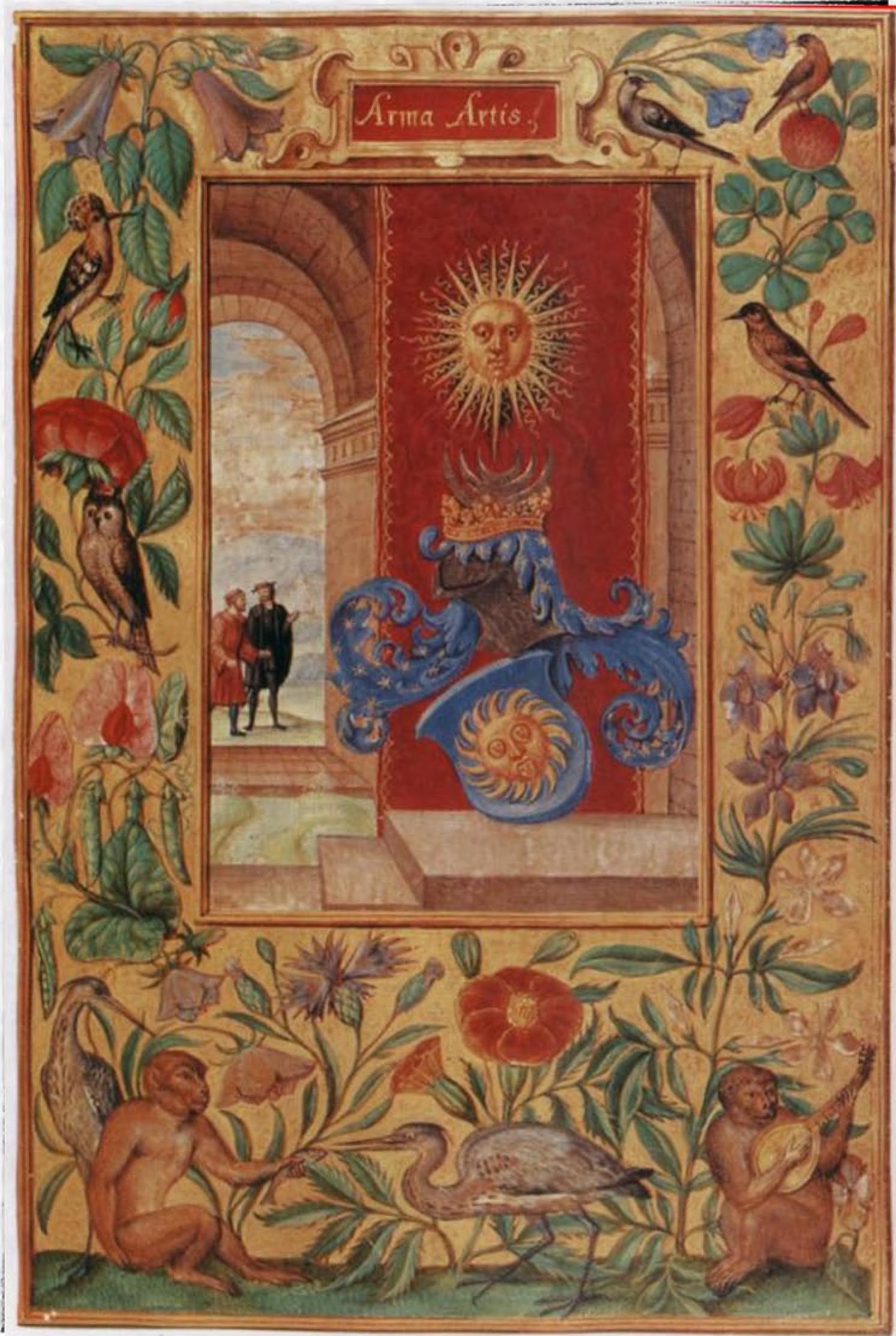
Splendor Solis

Splendor Solis gives a richly symbolic alchemical text that works best after the major Hermetic and alchemical frames are in place.

One of the most famous and beautiful alchemical treatises in existence, traditionally attributed to Solomon Trismosin, the supposed teacher of Paracelsus. This 1920 edition provides the text of the seven alchemical treatises along with descriptions of the famous 22 illuminated plates. The work describes the 'Great Work' (Magnum Opus) through complex allegories of death, rebirth, and the transformation of base matter into the Philosopher's Stone.

Hermeticism & Alchemy FAQ

Public answers for readers choosing whether this source path fits their study.

Should I read The Kybalion first?

It is better to read the Corpus Hermeticum and Divine Pymander first, then treat The Kybalion as a modern reinterpretation.

How does alchemy connect to Hermeticism?

Hermeticism supplies cosmological and spiritual framing, while alchemical texts develop symbolic, medicinal, laboratory, and transformative language around the Great Work.

What is the best first alchemy source here?

The Hermetic Museum is the strongest first alchemical collection in this path, followed by Paracelsus and Splendor Solis.

Research this path with the Archivist

Search across the listed texts, retrieve citations, and compare related terms across the archive.

Ask the Archivist