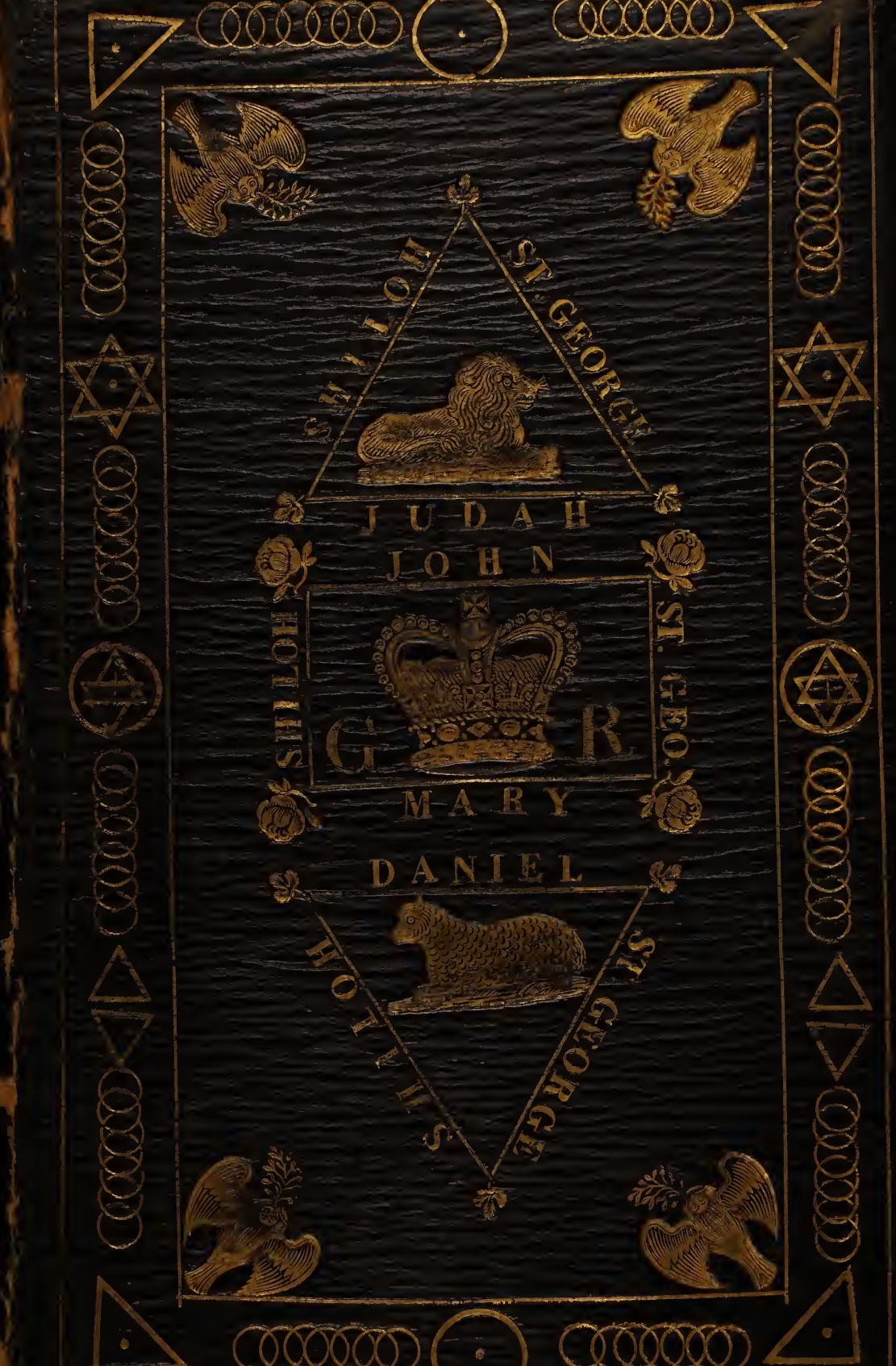
Hermetic mysticism and Christian esotericism
The Divine Pymander of Hermes Mercurius Trismegistus
The first complete English translation of the Hermetic Corpus, rendered by John Everard from Ficino's Latin and published posthumously in 1650. The Divine Pymander comprises seventeen tractates attributed to Hermes Trismegistus, opening with the Poimandres — a visionary cosmogony in which the Divine Mind reveals to Hermes the creation of the universe and the soul's descent into matter and potential return to the light. The text presents the foundational doctrines of Hermeticism: the divine nature of humanity, the correspondence of macrocosm and microcosm, the immortality of the soul, and the path of gnosis as the way of return. The earliest readable English version and a cornerstone of the Western esoteric tradition.
Archive Paths
Hermeticism and Alchemy
Hermetic and alchemical source texts covering the Corpus Hermeticum, Divine Pymander, The Kybalion, Paracelsus, alchemical symbolism, medicine, and spiritual transformation.
Gnosticism and Apocrypha
Gnostic and apocryphal texts covering Pistis Sophia, the Book of Enoch, early Christian gnosis, pseudepigrapha, mystical revelation, and esoteric Christian cosmology.
Hermeticism
Primary Hermetic texts, later Hermetic philosophy, and adjacent works on ascent, correspondence, divine mind, and spiritual transformation.
Gnosticism
Gnostic texts and studies on revelation, emanation, demiurgic cosmology, salvation through knowledge, and esoteric readings of Christianity.
Philosophy and Esoteric Cosmology
Philosophical and cosmological texts on mystical philosophy, Neoplatonism, moral philosophy, cosmic order, metaphysics, and symbolic cosmology.
Contents248 chapters
- 01His first Book
- 02Poemander
- 03The holy Sermon
- 04The Key
- 05That God is not manifest, and yet most manifest
- 06That in God alone is good
- 07The secret Sermon in the Mount, of Regeneration, and the Profession of Silence
- 08That the greatest evil in Man, is the not knowing of God
- 09A Universal Sermon to Asclepius
- 10The Minde to Hermes
- 11Page 1
- 12Page 2
- 13
- 14
- 15
- 16
- 17Page 7
- 18Page 8
- 19Page 9
- 20Page 10
- 21Page 11
- 22SCHOLÆ MAGICÆ TYPVS.
- 23THE
- 24Page 14
- 25TO THE READER.
- 26To the Reader.
- 27Page 17
- 28Page 18
- 29To the Reader.
- 30To the Reader.
- 31To the Reader.
- 32Page 22
- 33To the Reader.
- 34Page 24
- 35To the Reader.
- 36To the Reader.
- 37The Titles of every Book
- 38Page 28
- 39Page 30
- 40Page 31
- 41Page 32
- 42Page 33
- 43Page 34
- 44Page 35
- 45Page 36
- 46Page 37
- 47Page 38
- 48Page 39
- 49Page 40
- 50Page 42
- 51Page 43
- 52Page 44
- 53Page 45
- 54Page 46
- 55Page 47
- 56Page 48
- 57Page 49
- 58Page 50
- 59Page 51
- 60Page 52
- 61Page 53
- 62Page 54
- 63Page 55
- 64Page 56
- 65Page 57
- 66Page 58
- 67Page 59
- 68Page 60
- 69Page 61
- 70Page 62
- 71The end of the ſecond Book.
- 72Page 65
- 73Page 66
- 74Hermes Trifmegiftus. 39
- 75Page 69
- 76Page 70
- 77Page 71
- 78Page 72
- 79Page 73
- 80Page 74
- 81Page 75
- 82Page 76
- 83Page 77
- 84Page 78
- 85Page 79
- 86Page 80
- 87Page 81
- 88Page 82
- 89Page 83
- 90Page 84
- 91Page 85
- 92Page 86
- 93Page 87
- 94Page 88
- 95The end of the fourth Book.
- 96Page 91
- 97Page 92
- 98Page 93
- 99Page 94
- 100Page 95
- 101Page 96
- 102Page 97
- 103Page 98
- 104The end of the fifth Book.
- 105Page 101
- 106Page 102
- 107Page 103
- 108Page 104
- 109Page 105
- 110Page 106
- 111The end of the sixth Book.
- 112Page 109
- 113Page 110
- 114Page 111
- 115Page 112
- 116Page 113
- 117Page 114
- 118Page 115
- 119Page 116
- 120Page 117
- 121Page 118
- 122Page 119
- 123Page 120
- 124The Secret Song.
- 125Page 122
- 126Page 123
- 127Page 124
- 128Page 125
- 129The end of the ſeventh Book.
- 130Page 128
- 131Page 129
- 132The end of the eighth Book.
- 133Page 132
- 134Page 133
- 135Page 134
- 136Page 135
- 137Page 136
- 138Page 137
- 139Page 138
- 140Page 139
- 141Page 140
- 142Hermes Trifmegiflus
- 143Page 142
- 144Page 143
- 145The end of the ninth Book.
- 146Page 146
- 147Page 147
- 148Page 148
- 149Page 149
- 150Page 150
- 151Page 151
- 152Page 152
- 153Page 153
- 154Page 154
- 155Page 155
- 156Page 156
- 157Page 157
- 158Page 158
- 159Page 159
- 160Page 160
- 161Page 161
- 162Page 162
- 163Page 163
- 164Page 164
- 165The end of the tenth Book.
- 166The Eleventh Book
- 167Page 167
- 168Page 168
- 169Page 169
- 170Page 170
- 171Page 171
- 172Page 172
- 173Page 173
- 174Page 174
- 175Page 175
- 176Page 176
- 177Page 177
- 178Page 178
- 179Page 179
- 180Page 180
- 181Page 181
- 182Page 182
- 183Page 183
- 184Page 184
- 185Page 185
- 186The end of the eleventh Book.
- 187The Twelfth Book
- 188Page 188
- 189Hermes Trifmegiftus. 161
- 190Page 190
- 191Page 191
- 192Page 192
- 193Page 193
- 194Page 194
- 195Hermes Trifmegiftus. 167
- 196The Thirteenth Book
- 197Page 197
- 198Page 198
- 199Page 199
- 200Page 200
- 201Page 201
- 202Page 202
- 203Page 203
- 204Page 204
- 205Page 205
- 206The end of the thirteenth Book.
- 207The Fourteenth Book
- 208Page 208
- 209Page 209
- 210Page 210
- 211Page 211
- 212Page 212
- 213Page 213
- 214Page 214
- 215Page 215
- 216Page 216
- 217Page 217
- 218The end of the fourteenth Book.
- 219The Fifteenth Book
- 220Page 220
- 221Page 221
- 222Page 222
- 223Page 223
- 224Page 224
- 225Page 225
- 226Page 226
- 227Page 227
- 228The end of the fifteenth Book.
- 229The Sixteenth Book
- 230Page 230
- 231Page 231
- 232Page 232
- 233Page 233
- 234The end of the sixteenth Book.
- 235The Seventeenth Book
- 236Page 236
- 237Page 237
- 238Page 238
- 239Page 239
- 240Page 240
- 241Page 241
- 242Page 242
- 243The end of the 17 th Book.
- 244Page 244
- 245Page 245
- 246Page 246
- 247
- 248Page 248
Influences & Sources
Readers Also Explore

Ask the Hermetikon Archivist about this text
Search within this book, retrieve direct quotations with page references, or explore related ideas.