Medicine
highHill describes wild valerian as stronger than garden valerian and good for nervous disorders, with urinary and warming-stomach action.
Valeriana officinalis
Valerian appears in Hermetikon as an archive-backed plant entry, with references across historical medical, magical, symbolic, and ritual contexts where the source texts support them.
Identity, safety, and search aliases used to connect this herb to the archive.
Sedation and CNS depressant interactions are relevant.
Historical archive citations are not medical advice. Use modern clinical and poison-control sources for ingestion, dosage, pregnancy, and toxicity questions.
Curated archive synthesis of recurring uses, recipes, rituals, and interpretive problems.
Hermetikon's curated reading of Valerian (Valeriana officinalis) is built from 3 source-linked archive notes and 2 preparation or ritual-use entries. The strongest recurring contexts are medicine, ritual uses, and astrology. Each note below links back to the archive source used for the claim.
Hill describes wild valerian as stronger than garden valerian and good for nervous disorders, with urinary and warming-stomach action.
The Key of Solomon includes valerian in a Mercury-timed sprinkler with vervain, fennel, lavender, sage, mint, basil, rosemary, and hyssop.
Spence assigns valerian to Mercury in a planetary catalogue that links Mercury with brain and intellectual diseases, learned professions, commerce, and quicksilver.
The Key of Solomon binds valerian into a Mercury-timed sprinkler gathered with other herbs and tied with thread spun by a young maiden.
Waite's ritual aspergillus includes valerian with vervain, periwinkle, sage, mint, ash, basil, and rosemary on a virgin hazel handle.
Compact source patterns from the extracted citation set.
2 passages across 2 books; strongest source: Eulis! The History of Love.
Matched as valerian; high confidence.
2 passages across 2 books; strongest source: Encyclopaedia of Antiquities.
Matched as valerian; high confidence.
6 passages across 6 books; strongest source: Book of Black Magic.
Matched as valerian; high confidence.
2 passages across 2 books; strongest source: Hastings' Encyclopaedia of Religion and Ethics.
Matched as valerian; high confidence.
2 passages across 2 books; strongest source: Culpeper's Complete Herbal.
Matched as valerian; high confidence.
Representative public passages with the herb mention highlighted and linked to archive source material.
Complete public source inventory, placed after the interpretive reading so the page opens with the most useful synthesis first.
Culpeper's Complete Herbal
Nicholas Culpeper | 1653
King's American Dispensatory
Harvey Wickes Felter | 1854
Hastings' Encyclopaedia of Religion and Ethics
James Hastings | 1917
Anatomy of Melancholy
Robert Burton | 1621
Encyclopaedia of Occultism
Lewis Spence | 1920
Brewer's Dictionary of Phrase & Fable
E. Cobham Brewer | 1870
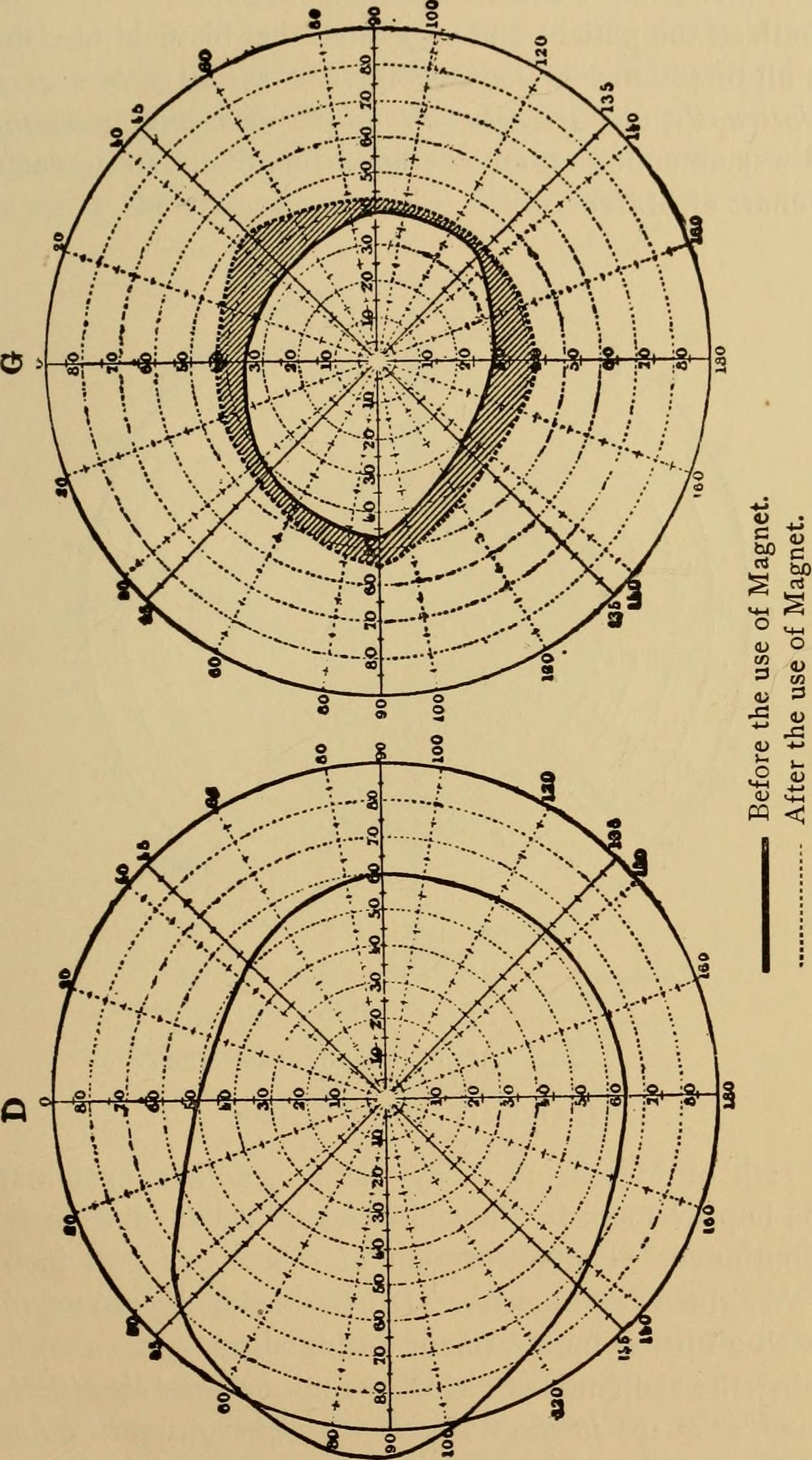
Hypnosis and Suggestion
Hippolyte Bernheim | 1884
The Family Herbal
John Hill | 1755
Pagan and Christian Creeds
Edward Carpenter | 1920
Encyclopaedia of Antiquities
Thomas Dudley Fosbroke | 1825
Transcendental Magic
Éliphas Lévi (Alphonse Louis Constant) | 1856
The Phantom World
Augustine Calmet | 1746
Christian Astrology
William Lilly | 1647
Hastings' Encyclopaedia of Religion and Ethics
James Hastings | 1913
Key of Solomon
King Solomon | 1400
The Discoverie of Witchcraft
Reginald Scot | 1584
Three Books of Occult Philosophy
Heinrich Cornelius Agrippa von Nettesheim | 1533
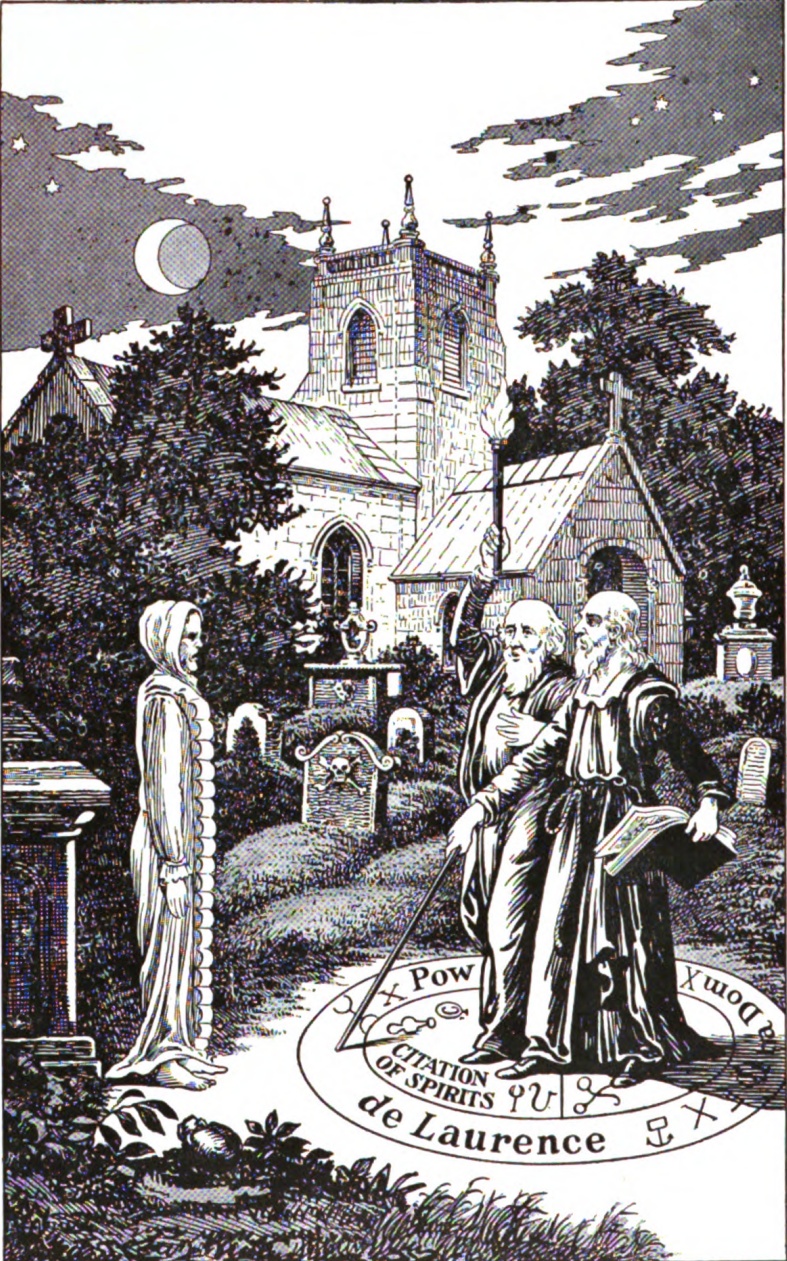
Book of Black Magic
Arthur Edward Waite | 1898
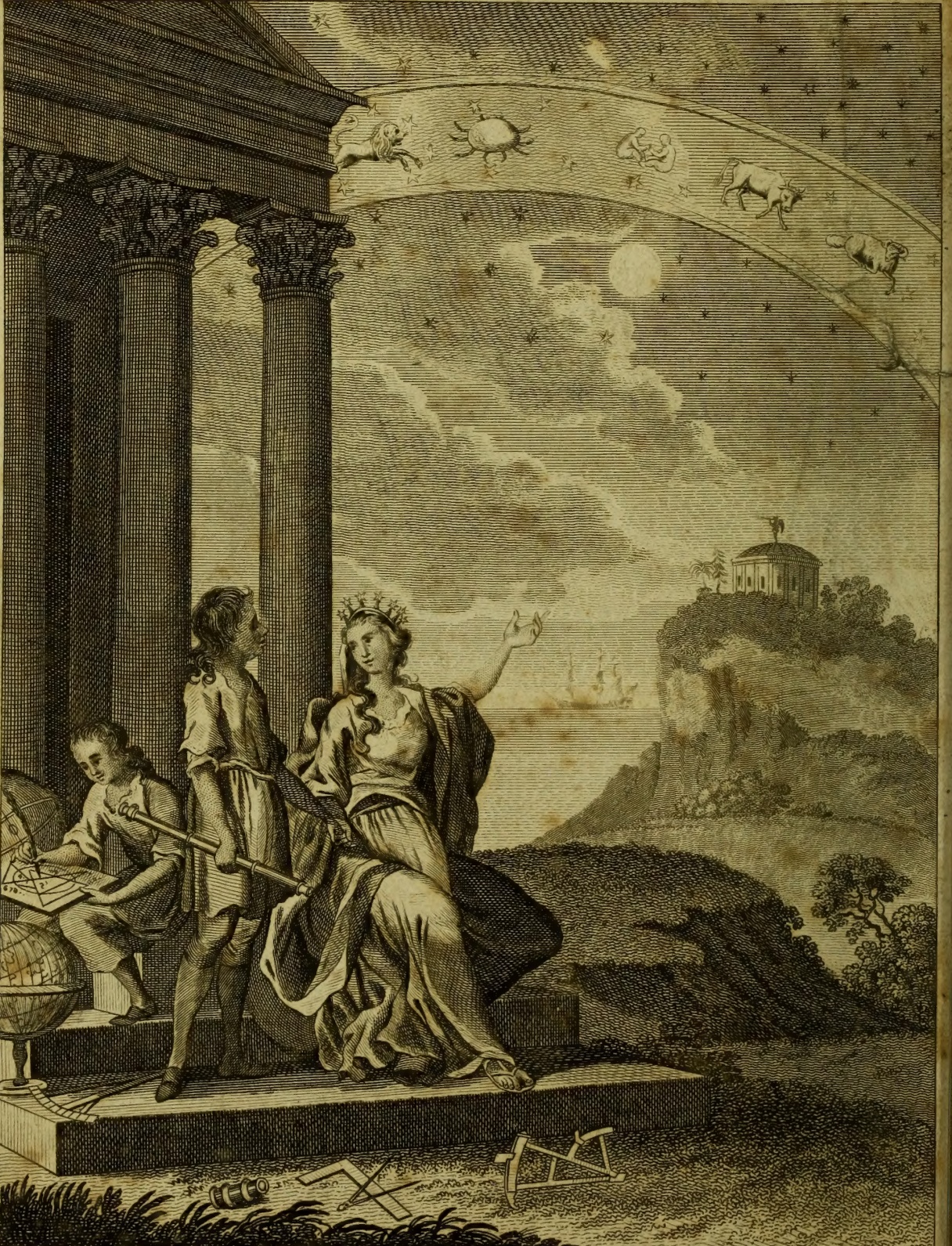
Illustration of the Occult Sciences
Ebenezer Sibly | 1784
Eulis! The History of Love
Paschal Beverly Randolph | 1874
Hastings' Encyclopaedia of Religion and Ethics
James Hastings | 1926
Genethlialogia
John Gadbury | 1658
Manual of Astrology
Raphael (Robert Cross Smith) | 1828
Extraordinary Popular Delusions
Charles Mackay | 1841
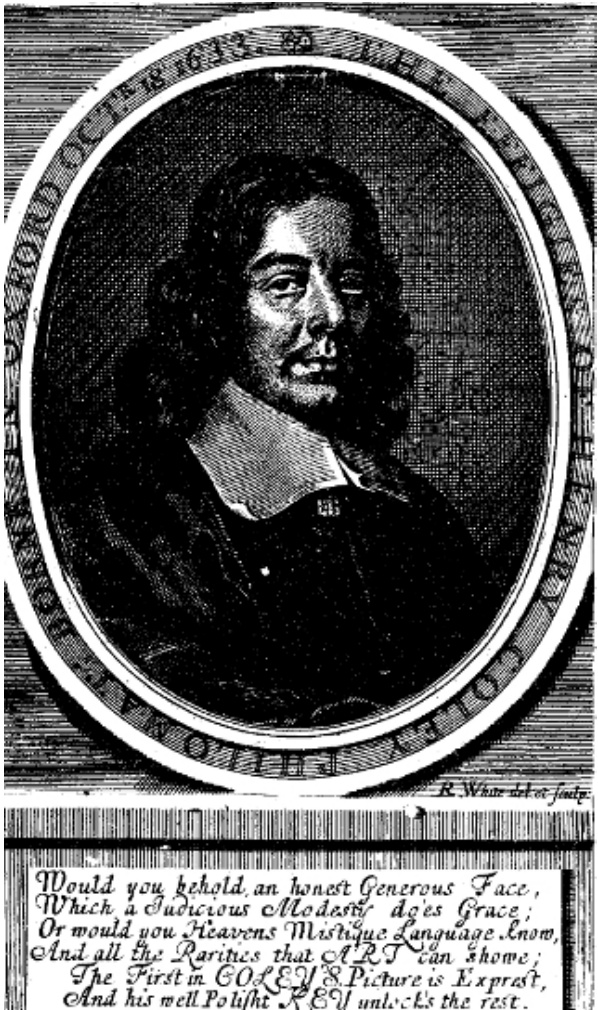
Clavis Astrologiae Elimata
Henry Coley | 1669