Astrology
highAgrippa gives peony a lunar correspondence in one planetary herb distribution, while also noting a competing Hermes-Albertus list.
Paeonia officinalis
Peony appears in Hermetikon as an archive-backed plant entry, with references across historical medical, magical, symbolic, and ritual contexts where the source texts support them.
Identity, safety, and search aliases used to connect this herb to the archive.
Pregnancy and anticoagulant cautions may be relevant depending on species/preparation.
Historical archive citations are not medical advice. Use modern clinical and poison-control sources for ingestion, dosage, pregnancy, and toxicity questions.
Curated archive synthesis of recurring uses, recipes, rituals, and interpretive problems.
Hermetikon's curated reading of Peony (Paeonia officinalis) is built from 3 source-linked archive notes and 2 preparation or ritual-use entries. The strongest recurring contexts are medicine, folk magic, and astrology. Each note below links back to the archive source used for the claim.
Agrippa gives peony a lunar correspondence in one planetary herb distribution, while also noting a competing Hermes-Albertus list.
Spence preserves Pliny's incubus remedy of wild paeony seed, paired with a more extravagant dragon-part anointing recipe.
Barham records a nervous-disorder amulet tradition in which fresh peony roots are cut into pieces, hung around the neck, and replaced as they dry.
Culpeper includes peony root by the ounce in a complex infused-and-boiled compound with fennel, parsley, orris, valerian, aromatic seeds, and other roots.
Waite lists peony with calamon, mint, and palma Christi in a perfume used to drive away evil spirits and phantoms.
Compact source patterns from the extracted citation set.
5 passages across 5 books; strongest source: Domestic Folk-lore.
Matched as peony; high confidence.
1 passage across 1 book; strongest source: Thaumaturgia.
Matched as peony; high confidence.
7 passages across 7 books; strongest source: Anatomy of Melancholy.
Matched as peony; high confidence.
1 passage across 1 book; strongest source: Liber 777.
Matched as peony; high confidence.
Representative public passages with the herb mention highlighted and linked to archive source material.
Complete public source inventory, placed after the interpretive reading so the page opens with the most useful synthesis first.
Culpeper's Complete Herbal
Nicholas Culpeper | 1653
Three Books of Occult Philosophy
Heinrich Cornelius Agrippa von Nettesheim | 1533
The Evolution of the Dragon
G. Elliot Smith | 1919
Anatomy of Melancholy
Robert Burton | 1621
Brewer's Dictionary of Phrase & Fable
E. Cobham Brewer | 1870
King's American Dispensatory
Harvey Wickes Felter | 1854
Encyclopaedia of Occultism
Lewis Spence | 1920
Domestic Folk-lore
Thomas Firminger Thiselton-Dyer | 1881
Thaumaturgia
Richard Harris Dalton Barham | 1835

Error's Chains
Frank S. Dobbins | 1883
Liber 777
Aleister Crowley | 1909
Fourth Book of Occult Philosophy
Pseudo-Agrippa | 1565
Hastings' Encyclopaedia of Religion and Ethics
James Hastings | 1913
Book of Black Magic
Arthur Edward Waite | 1898
The Influence of the Stars
Rosa Baughan | 1880
The Equinox Vol. 1 No. 2
Aleister Crowley | 1909
Manual of Astrology
Raphael (Robert Cross Smith) | 1828

Guide for the Perplexed
Moses Maimonides | 1190
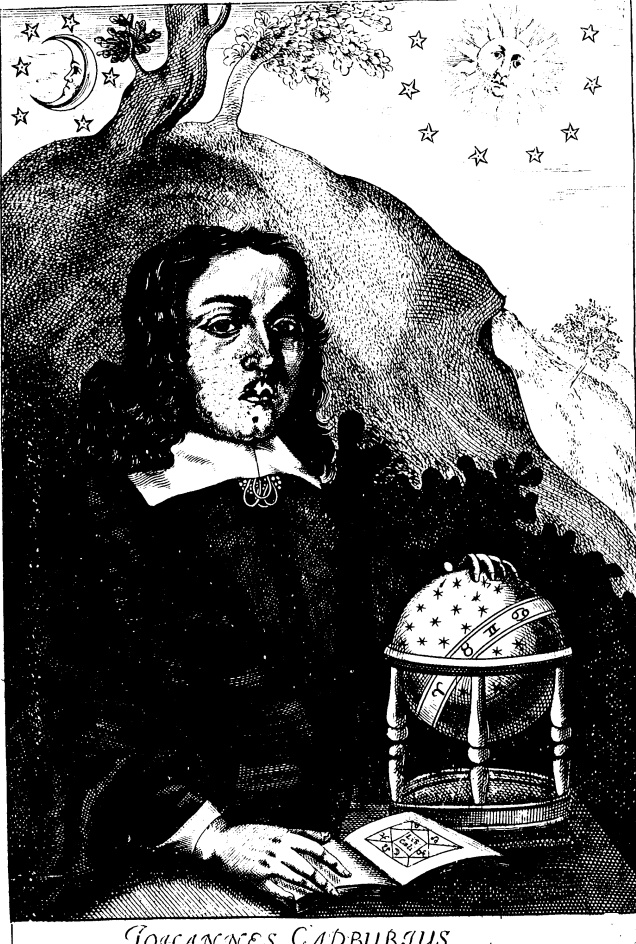
Genethlialogia
John Gadbury | 1658
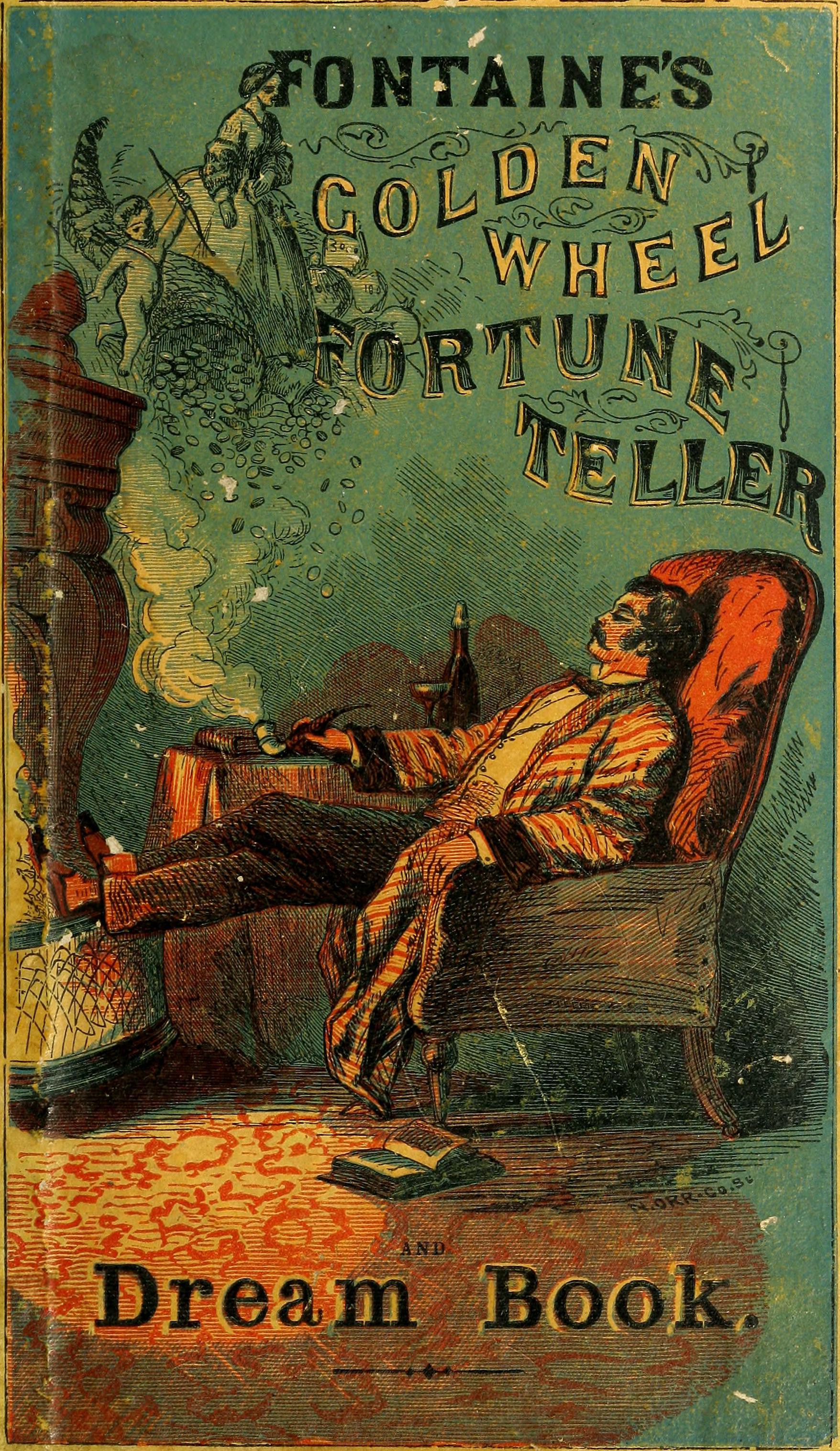
The Complete Book of Fortune
Anonymous | 1930