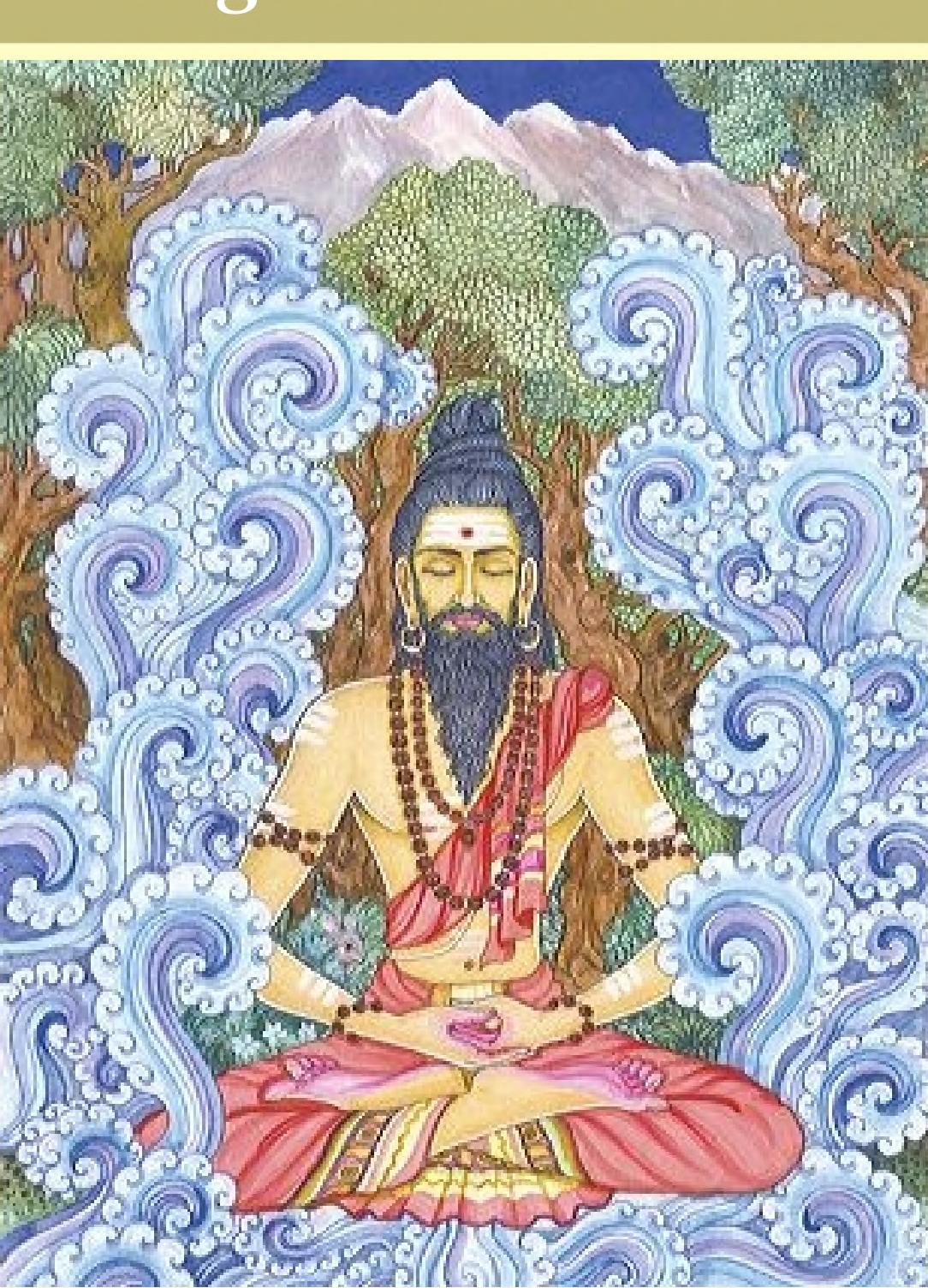
Classical yoga, Indian contemplative philosophy
The Yoga Sutras of Patanjali (Aphorisms of the Yoga Philosophy)
Patanjali4000
AdvancedPrimary Sourcecomplete
Foundational text of Raja Yoga (Royal Path of Meditation). Patanjali presents the eight-limbed path of yoga (Ashtanga Yoga) as systematic method for achieving samadhi (absorption/enlightenment). Sutras cover philosophical foundations of yoga, mental discipline, meditation techniques, and supernatural powers (siddhis) that develop through practice. Classical aphoristic style requires commentary for full understanding. Essential for understanding Eastern meditation philosophy and yoga tradition.
Also known asYoga Aphorisms · Patanjali's Yoga Sutras · Yoga Philosophy of Patanjali
This edition1912
EditionCharles Johnston translation, 1912
YogaBreath control (pranayama)meditationKlisha (afflictions/obstacles)Indian spiritualityGunas (qualities of nature: sattva, rajas, tamas)Samadhi (absorption/enlightenment)Development of psychic abilitiesMastery of the MindSiddhis (psychic powers)Samadhi attainmentPrakriti (matter/nature)EasternRaja YogaPurusha (consciousness/witness)Yoga Darshan (Yoga Philosophy)
Archive Paths
Contents14 chapters
- 01THE YOGA SUTRAS OF PATANJALI
- 02“The Book of the Spiritual Man”
- 03Charles Johnston
- 04Contents
- 05INTRODUCTION TO BOOK I
- 06BOOK I
- 07INTRODUCTION TO BOOK II
- 08BOOK II
- 09INTRODUCTION TO BOOK III
- 10BOOK III
- 11INTRODUCTION TO BOOK IV
- 12BOOK IV
- 13THE FULL PROJECT GUTENBERG LICENSE
- 14"Cover"
Contributors
Charles Johnstontranslator
Read FirstSuggested reading before this text
Influences & Sources
Works Influenced by This
From the Same Tradition
Readers Also Explore

Ask the Hermetikon Archivist about this text
Search within this book, retrieve direct quotations with page references, or explore related ideas.