New Moon
February 8, 1940
07:45 AM UTC UTC in Aquarius
New Moon in AquariusLunation Calendar
Moon phases for February 1940 with calculated UTC times and zodiac signs. New Moon: February 8, 1940 at 07:45 AM UTC in Aquarius. Full Moon: February 23, 1940 at 09:56 AM UTC in Virgo. The month view below also tracks Moon sign ingresses and local-time conversions.
Key Dates
New Moon
07:45 AM UTC UTC in Aquarius
New Moon in AquariusFull Moon
09:56 AM UTC UTC in Virgo
Full Moon in VirgoCalculation Basis
Hermetikon calculates these lunar timings from its astronomy engine and stores the canonical moments in UTC. They are Hermetikon reference timings, not Swiss Ephemeris output; local times are derived from the UTC moment.
Local personalization
The calendar stays canonical in UTC for search, citations, and stable reference. Apply your own coordinates here to convert featured moments into local time and add local ascendant and planetary-hour context.
Current mode
No local coordinates applied yet.
Event times below render in your browser timezone: UTC.
Browser timezone
UTC
Local conversions update automatically in this browser.
Current moon
February 1940 lunar calendar
Use this panel to personalize the February 1940 calendar.
Ascendant
Apply a location
Local horizon from your coordinates.
Planetary hour
Apply a location
Times appear after a location is applied.
Featured local timings
New Moon in Aquarius
Feb 8, 1940, 7:45 AM UTC
Canonical dates stay in UTC, but this panel converts them to your browser timezone.
First Quarter in Taurus
Feb 16, 1940, 12:56 PM UTC
Canonical dates stay in UTC, but this panel converts them to your browser timezone.
Full Moon in Virgo
Feb 23, 1940, 9:56 AM UTC
Canonical dates stay in UTC, but this panel converts them to your browser timezone.
Local: Feb 8, 1940, 7:45 AM UTC
The Moon conjoins the Sun, becoming invisible and combust. Classical doctrine regards this as the weakest lunar condition - the Moon is without light, applying to the Sun, and incapable of reflecting its rays.
New Moon in AquariusLocal: Feb 16, 1940, 12:56 PM UTC
The Moon stands in square (quartile) to the Sun, having completed one quarter of its synodic cycle. Classical doctrine marks this as a moment of tension, decision, and action - the Moon's will presses against the solar principle.
First Quarter in TaurusLocal: Feb 23, 1940, 9:56 AM UTC
The Moon stands in opposition to the Sun, achieving maximum illumination. Classical doctrine treats the Full Moon as a peak of lunar expression - the Moon is fully lit, powerful, and separated from the Sun by the widest arc.
Full Moon in VirgoEach row uses a noon UTC reference for the daily phase and Moon sign. Major lunations and sign ingresses keep their calculated UTC moments.
| Date | Phase | Moon Sign | Calculated Events |
|---|---|---|---|
| February 1 | Last Quarter40% illuminated | Scorpionoon UTC reference | No major lunation or sign ingress. |
| February 2 | Last Quarter30% illuminated | Sagittariusnoon UTC reference | |
| February 3 | Last Quarter21% illuminated | Sagittariusnoon UTC reference | No major lunation or sign ingress. |
| February 4 | Waning Crescent14% illuminated | Capricornnoon UTC reference | |
| February 5 | Waning Crescent7% illuminated | Capricornnoon UTC reference | No major lunation or sign ingress. |
| February 6 | Waning Crescent3% illuminated | Capricornnoon UTC reference | |
| February 7 | Waning Crescent1% illuminated | Aquariusnoon UTC reference | No major lunation or sign ingress. |
| February 8 | New Moon0% illuminated | Aquariusnoon UTC reference | |
| February 9 | New Moon1% illuminated | Piscesnoon UTC reference | |
| February 10 | New Moon4% illuminated | Piscesnoon UTC reference | No major lunation or sign ingress. |
| February 11 | New Moon9% illuminated | Piscesnoon UTC reference | |
| February 12 | Waxing Crescent15% illuminated | Ariesnoon UTC reference | No major lunation or sign ingress. |
| February 13 | Waxing Crescent22% illuminated | Ariesnoon UTC reference | No major lunation or sign ingress. |
| February 14 | Waxing Crescent30% illuminated | Taurusnoon UTC reference | |
| February 15 | Waxing Crescent40% illuminated | Taurusnoon UTC reference | No major lunation or sign ingress. |
| February 16 | Waxing Crescent50% illuminated | Taurusnoon UTC reference | |
| February 17 | First Quarter60% illuminated | Gemininoon UTC reference | No major lunation or sign ingress. |
| February 18 | First Quarter70% illuminated | Gemininoon UTC reference | No major lunation or sign ingress. |
| February 19 | First Quarter80% illuminated | Cancernoon UTC reference | |
| February 20 | Waxing Gibbous88% illuminated | Cancernoon UTC reference | No major lunation or sign ingress. |
| February 21 | Waxing Gibbous95% illuminated | Leonoon UTC reference | |
| February 22 | Waxing Gibbous99% illuminated | Leonoon UTC reference | No major lunation or sign ingress. |
| February 23 | Full Moon100% illuminated | Virgonoon UTC reference | |
| February 24 | Full Moon98% illuminated | Virgonoon UTC reference | No major lunation or sign ingress. |
| February 25 | Full Moon93% illuminated | Libranoon UTC reference | |
| February 26 | Full Moon86% illuminated | Libranoon UTC reference | No major lunation or sign ingress. |
| February 27 | Waning Gibbous77% illuminated | Scorpionoon UTC reference | |
| February 28 | Waning Gibbous67% illuminated | Scorpionoon UTC reference | No major lunation or sign ingress. |
| February 29 | Waning Gibbous57% illuminated | Sagittariusnoon UTC reference |
Each day shows the Moon sign at noon UTC, any major phase event, and calculated UTC Moon sign ingresses. Use the personalization panel above for local-time conversion and location-specific context.
A compact view of how the Moon moves through the zodiac across the month.
These are the calculated UTC sign changes for the Moon in February 1940, with local-time conversion shown below each ingress.
February 2, 1940 at 01:36 AM UTC UTC
Local time: Feb 2, 1940, 1:36 AM UTC
The Moon leaves Scorpio and enters Sagittarius.
February 4, 1940 at 09:27 AM UTC UTC
Local time: Feb 4, 1940, 9:27 AM UTC
The Moon leaves Sagittarius and enters Capricorn.
February 6, 1940 at 07:21 PM UTC UTC
Local time: Feb 6, 1940, 7:21 PM UTC
The Moon leaves Capricorn and enters Aquarius.
February 9, 1940 at 06:58 AM UTC UTC
Local time: Feb 9, 1940, 6:58 AM UTC
The Moon leaves Aquarius and enters Pisces.
February 11, 1940 at 07:49 PM UTC UTC
Local time: Feb 11, 1940, 7:49 PM UTC
The Moon leaves Pisces and enters Aries.
February 14, 1940 at 08:36 AM UTC UTC
Local time: Feb 14, 1940, 8:36 AM UTC
The Moon leaves Aries and enters Taurus.
February 16, 1940 at 07:09 PM UTC UTC
Local time: Feb 16, 1940, 7:09 PM UTC
The Moon leaves Taurus and enters Gemini.
February 19, 1940 at 01:46 AM UTC UTC
Local time: Feb 19, 1940, 1:46 AM UTC
The Moon leaves Gemini and enters Cancer.
February 21, 1940 at 04:19 AM UTC UTC
Local time: Feb 21, 1940, 4:19 AM UTC
The Moon leaves Cancer and enters Leo.
February 23, 1940 at 04:11 AM UTC UTC
Local time: Feb 23, 1940, 4:11 AM UTC
The Moon leaves Leo and enters Virgo.
February 25, 1940 at 03:28 AM UTC UTC
Local time: Feb 25, 1940, 3:28 AM UTC
The Moon leaves Virgo and enters Libra.
February 27, 1940 at 04:13 AM UTC UTC
Local time: Feb 27, 1940, 4:13 AM UTC
The Moon leaves Libra and enters Scorpio.
February 29, 1940 at 07:55 AM UTC UTC
Local time: Feb 29, 1940, 7:55 AM UTC
The Moon leaves Scorpio and enters Sagittarius.
These citations explain why classical astrologers tracked monthly new and full moons, quarterly turns, and conjunction-based month judgments.
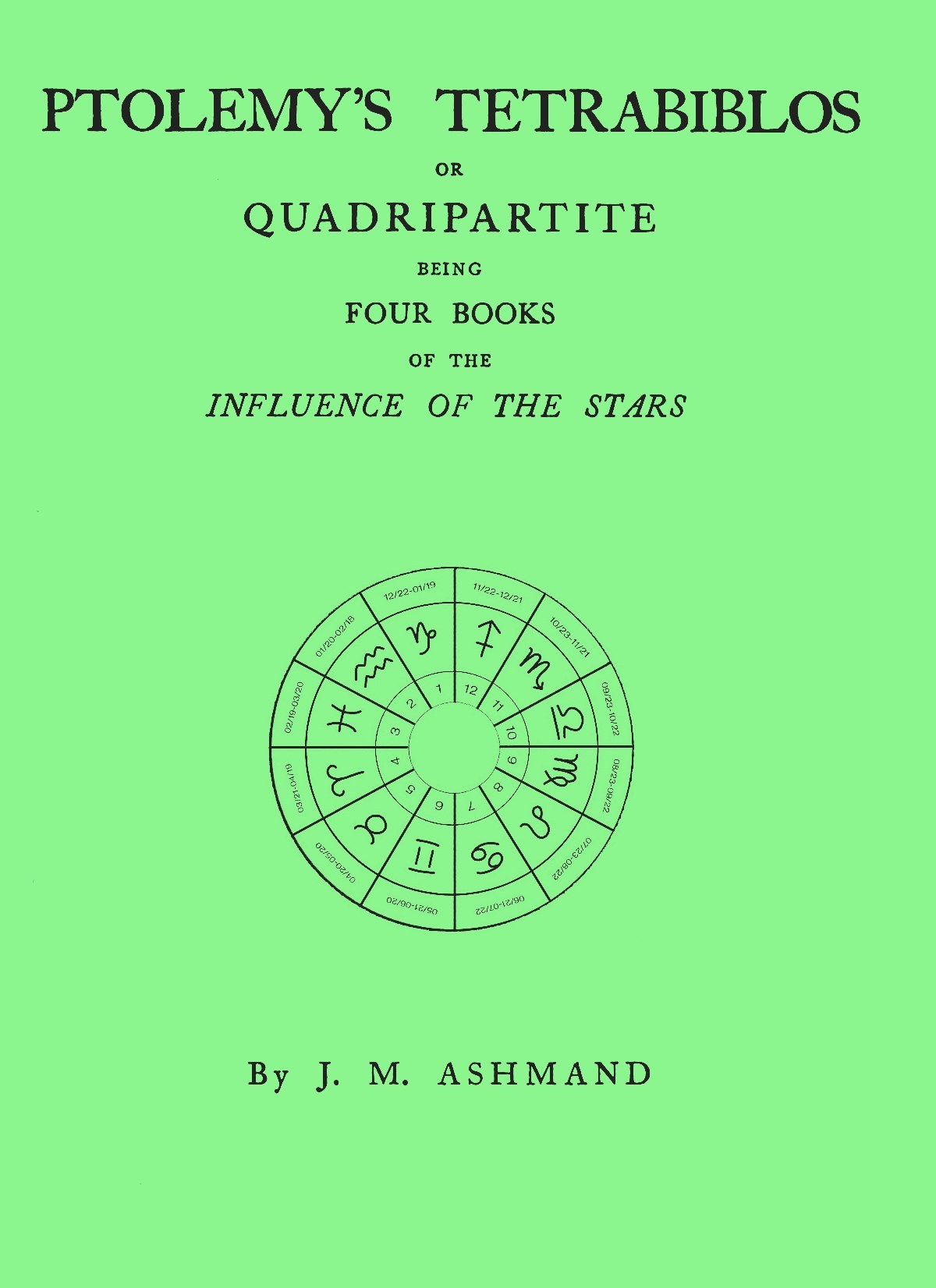

Open the cited books and chapters behind the monthly lunation calendar.
The full moon in February 1940 is on February 23, 1940 at 09:56 AM UTC UTC, in Virgo. The page also converts that moment into the visitor's local timezone.
The new moon in February 1940 is on February 8, 1940 at 07:45 AM UTC UTC, in Aquarius. The page also converts that moment into the visitor's local timezone.
There are 3 major lunar phase events in February 1940: New Moon, First Quarter, Full Moon.