ermetikon

Curated archive path

John Dee and Enochian Magic Reading List

This path starts with John Dee's angelic material, then compares Enochian magic with Enochic apocrypha and nearby ceremonial traditions.

This public reading list links directly to source books in the Hermetikon archive, then back into the broader archive path for related texts, authors, and traditions.

Texts
5
Path
Use this path if you want Dee and Enochian material grounded in source texts rather than later occult summaries alone.
Five Books of Mystery

Step 1: Start with Dee's angelic records

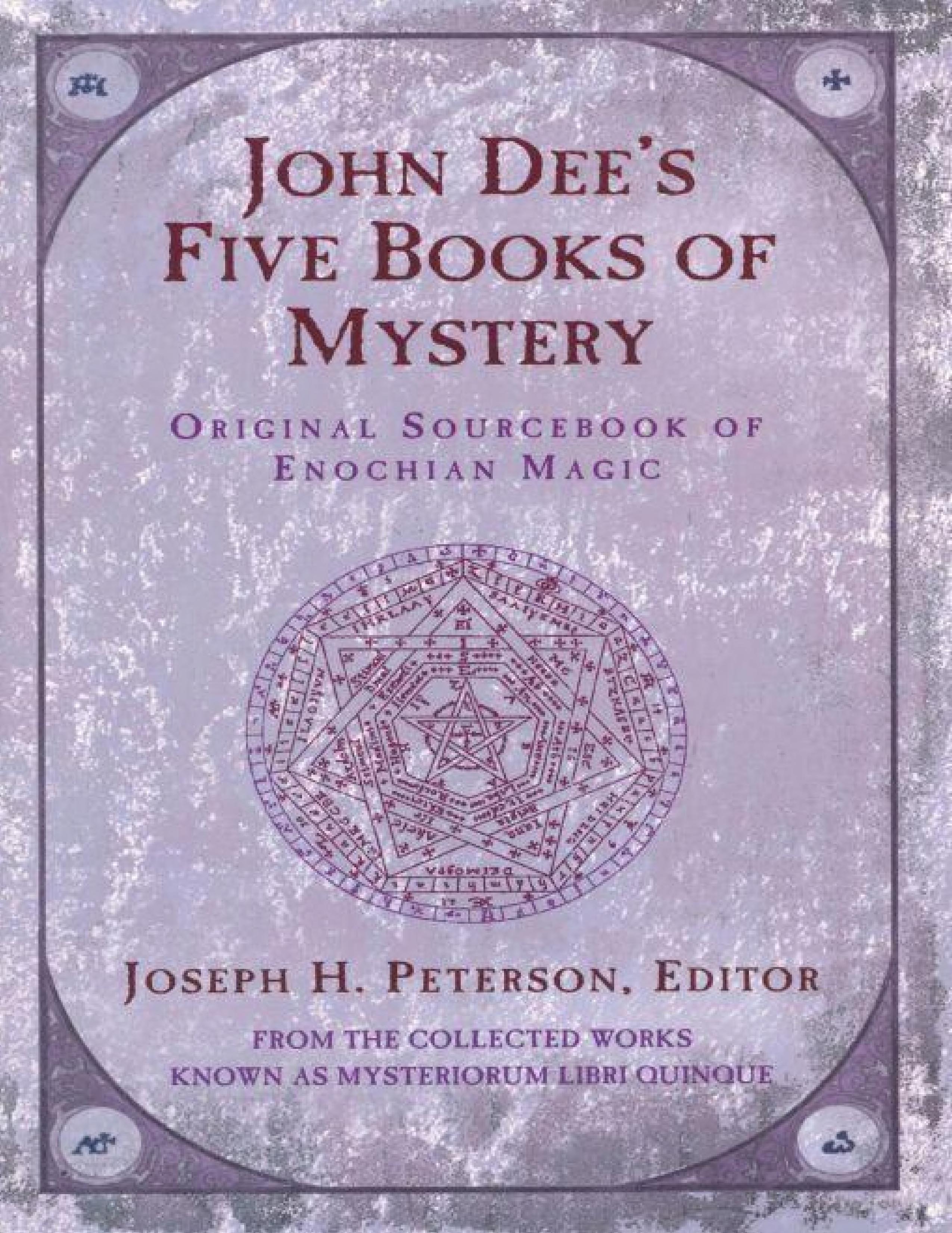
Five Books of Mystery

John Dee1564PrimaryAdvanced

Five Books of Mystery is the core archive text for John Dee, angelic communication, Enochian language, and the ritual record.

John Dee's Renaissance magical texts including Monas Hieroglyphica and teachings on Enochian magic. Dee, Renaissance mathematician and magician, presents unified magical philosophy based on sacred geometry, divine names, and angelic communication. Enochian system describes communication with angels through precise magical procedures and letter correspondences. Foundational for modern Enochian magic.
The Book of Enoch

Step 2: Compare apocryphal Enoch

The Book of Enoch

R. H. Charles (Translator)200 BCEPrimaryAdvanced

The Book of Enoch is not Dee's Enochian system, but it gives important apocryphal background for angelic and visionary traditions.

An ancient Jewish religious work, traditionally attributed to Enoch, the great-grandfather of Noah. The book is fundamental to the study of early Judeo-Christian angelology and demonology, famously detailing the fall of the Watchers (Angels) who descended to Earth and sired the Nephilim. It describes Enoch's journeys through the heavens and the underworld, the nature of the celestial order, and the final judgment. It is a cornerstone for the study of the Enochian magical tradition (Dee, Crowley).

Ars Notoria

Step 3: Compare learned angelic practice

Ars Notoria

Anonymous1225Primary

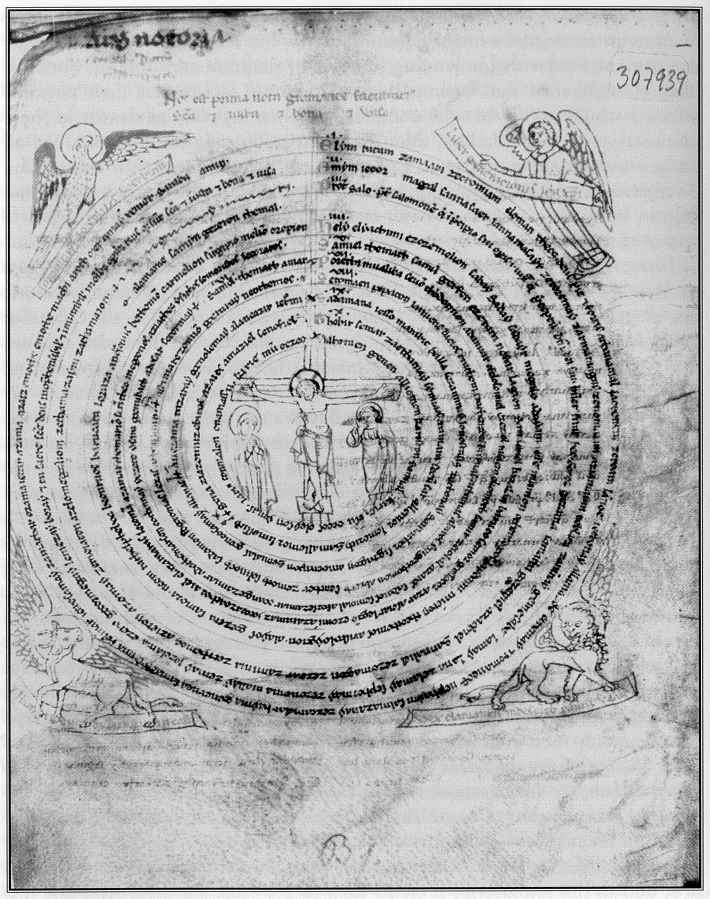
Ars Notoria helps place Dee beside older ritual traditions concerned with knowledge, prayer, angelic aid, and sacred names.

Medieval grimoire attributed to King Solomon containing prayers, orations, and mystical figures (notae) designed to enhance memory, learning, and wisdom. Unlike other grimoires focused on spirit conjuration, the Ars Notoria emphasizes divine grace obtained through prayer and contemplation of sacred symbols to acquire knowledge. It is the fifth book of the Lemegeton in some traditions.

Key of Solomon

Step 4: Add ceremonial ritual context

Key of Solomon

King Solomon1400PrimaryIntermediate

The Key of Solomon gives a broader ritual frame for consecration, timing, and ceremonial preparation in Western magic.

Medieval grimoire of ceremonial magic attributed to King Solomon. Comprehensive manual for conjuring spirits, creating talismans, performing rituals, and working ceremonial magic. Contains instructions for magical tools, pentacles, invocations, planetary hours, purification rites, and spirit conjuration. It is the 'Greater' Key, distinct from the Goetic 'Lesser' Key.

Lesser Key of Solomon (Goetia)

Step 5: Contrast angelic and spirit catalogues

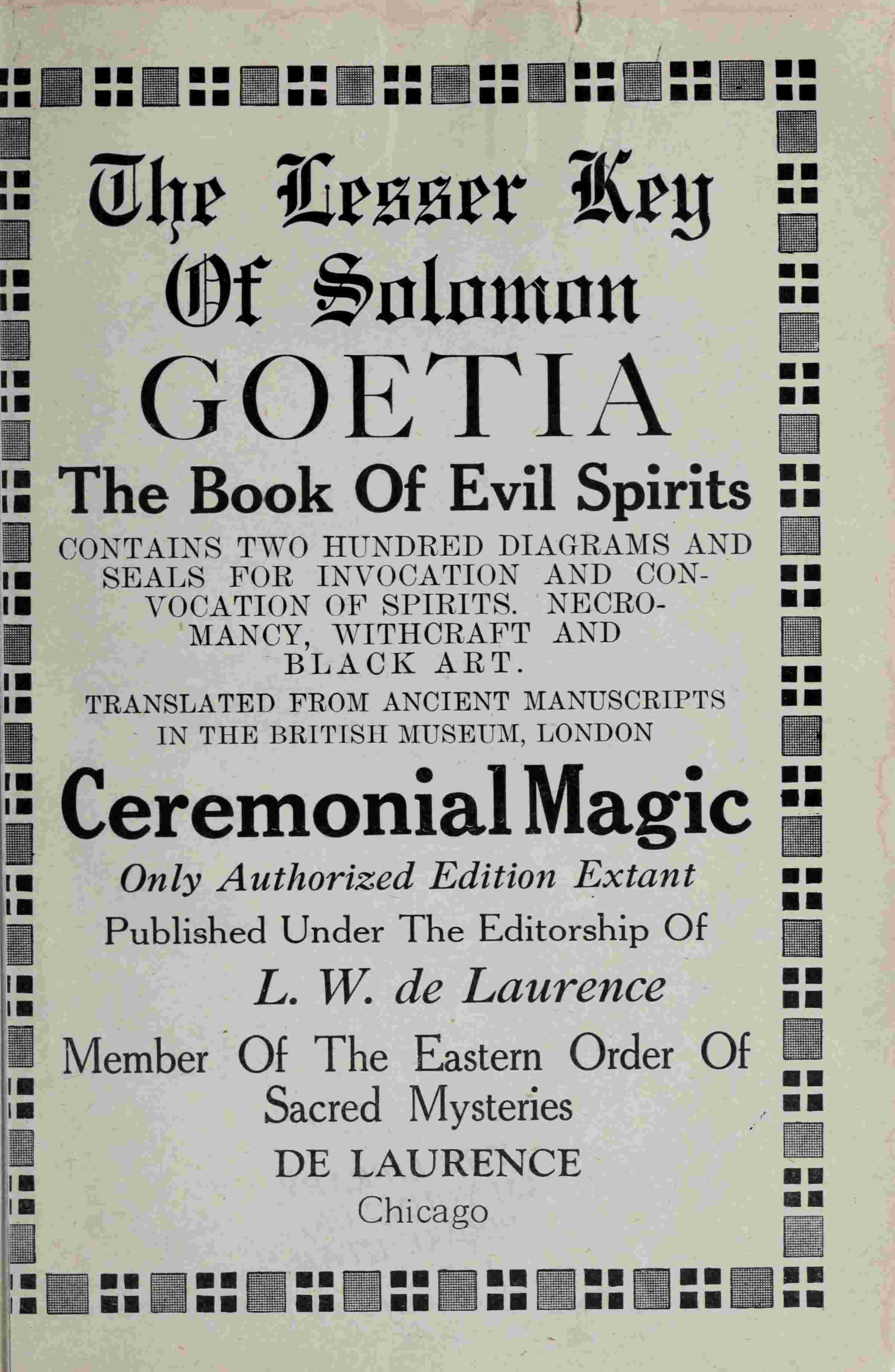
Lesser Key of Solomon (Goetia)

Anonymous1650PrimaryAdvanced

The Goetia makes the contrast between Dee's angelic material and later spirit catalogue traditions more visible.

The first book of the Lemegeton, or Lesser Key of Solomon. It provides the names, offices, and seals of 72 spirits supposedly bound by King Solomon in a brass vessel. It includes the necessary invocations, the design of the magical circle, the triangle, and the secret seals needed to evoke these entities.

John Dee / Enochian FAQ

Public answers for readers choosing whether this source path fits their study.

What is the best first source for Enochian magic?

Start with John Dee's Five Books of Mystery, then compare it with apocryphal Enoch and nearby ceremonial sources.

Is the Book of Enoch the same as Enochian magic?

No. The Book of Enoch is an apocryphal text; Enochian magic refers to Dee's angelic system and later occult reception.

Why compare Dee with Solomonic texts?

The comparison clarifies shared ritual concerns such as sacred names, angelic authority, consecration, and ceremonial procedure.

Research this path with the Archivist

Search across the listed texts, retrieve citations, and compare related terms across the archive.

Ask the Archivist