Preparation
highHill says an infusion of leek roots boiled into a syrup with honey was used for asthma, coughs, and obstructions of the breast and lungs.
Allium porrum
Leek appears in Hermetikon as an archive-backed plant entry, with references across historical medical, magical, symbolic, and ritual contexts where the source texts support them.
Identity, safety, and search aliases used to connect this herb to the archive.
Food use is generally low concern; concentrated medicinal use differs from culinary references.
Historical archive citations are not medical advice. Use modern clinical and poison-control sources for ingestion, dosage, pregnancy, and toxicity questions.
Curated archive synthesis of recurring uses, recipes, rituals, and interpretive problems.
Hermetikon's curated reading of Leek (Allium porrum) is built from 3 source-linked archive notes and 1 preparation or ritual-use entry. The strongest recurring contexts are preparations, folk magic, and astrology. Each note below links back to the archive source used for the claim.
Hill says an infusion of leek roots boiled into a syrup with honey was used for asthma, coughs, and obstructions of the breast and lungs.
Agrippa groups leeks with onions, shallots, mustard seed, and thorny trees among Mars-associated things that cause tears or offense.
Frazer records a Halloween divination in which a girl walking backward places a knife among leeks to see her future husband retrieve it.
§ 7. The Midwinter Fires.
Hill prepares leek roots as a water infusion boiled into syrup with honey for coughs, asthma, and breast or lung obstructions.
Compact source patterns from the extracted citation set.
1 passage across 1 book; strongest source: Hastings' Encyclopaedia of Religion and Ethics.
Matched as leeks; high confidence.
4 passages across 4 books; strongest source: Christian Astrology.
Matched as leeks; high confidence.
2 passages across 2 books; strongest source: Balder the Beautiful, Volume I.
Matched as leeks; high confidence.
4 passages across 4 books; strongest source: Brewer's Dictionary of Phrase & Fable.
Matched as leeks; high confidence.
3 passages across 3 books; strongest source: British Goblins.
Matched as leeks; high confidence.
Representative public passages with the herb mention highlighted and linked to archive source material.
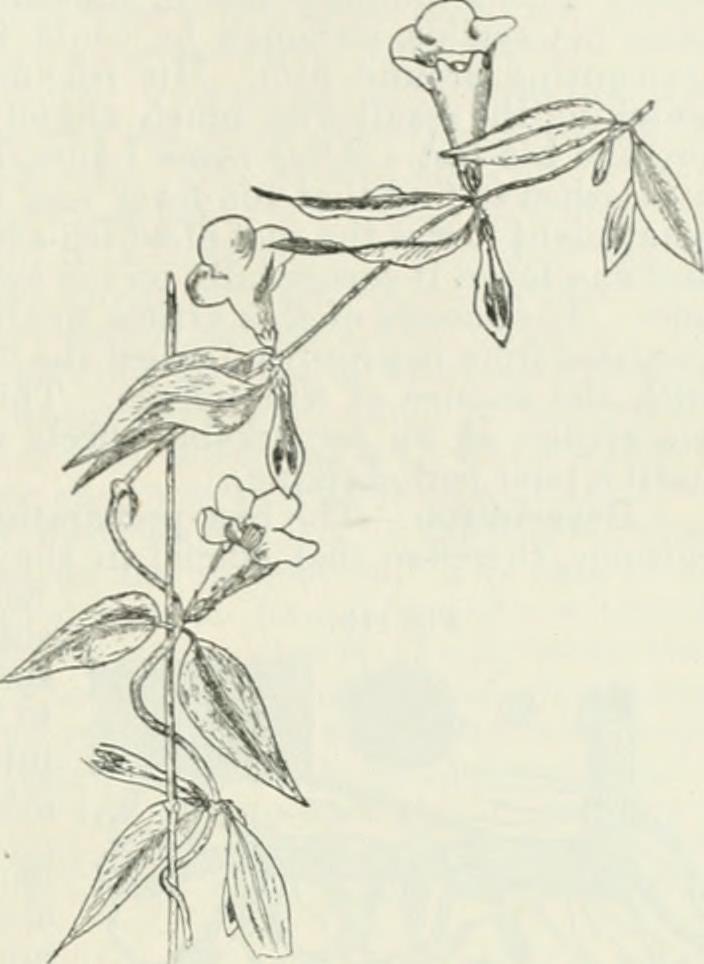
Complete public source inventory, placed after the interpretive reading so the page opens with the most useful synthesis first.
Culpeper's Complete Herbal
Nicholas Culpeper | 1653
British Goblins
Wirt Sikes | 1880
Brewer's Dictionary of Phrase & Fable
E. Cobham Brewer | 1870

Mysteries of All Nations
James Grant | 1880
The Family Herbal
John Hill | 1755
Clavis Astrologiae Elimata
Henry Coley | 1669
Secrets of Black Arts
Anonymous | 1850
The Golden Bough
James George Frazer | 1913
Theogony & Works and Days
Hesiod | 700 BCE
Christian Astrology
William Lilly | 1647
Balder the Beautiful, Volume I
James George Frazer | 1913
The Mathnawi
R. A. Nicholson | 1925
Hastings' Encyclopaedia of Religion and Ethics
James Hastings | 1913
Illustration of the Occult Sciences
Ebenezer Sibly | 1784
Anatomy of Melancholy
Robert Burton | 1621
Hermetic and Alchemical Writings of Paracelsus
Philippus Aureolus Theophrastus Bombast von Hohenheim (Paracelsus) | 1493
Hastings' Encyclopaedia of Religion and Ethics
James Hastings | 1908
Mystic London
Charles Maurice Davies | 1875
Encyclopaedia of Antiquities
Thomas Dudley Fosbroke | 1825

The Elder Eddas and Younger Eddas
Anonymous | 1200
Bulfinch's Mythology
Thomas Bulfinch | 1881
Three Books of Occult Philosophy
Heinrich Cornelius Agrippa von Nettesheim | 1533
King's American Dispensatory
Harvey Wickes Felter | 1854
The Mathnawi, Vol. 2
R. A. Nicholson | 1926
The Book of Talismans
William Thomas Pavitt | 1914
Fact and Fable in Psychology
Joseph Jastrow | 1900
Chuang Tzu
Zhuangzi (Chuang Tzu) | 300
Demonologia
J. S. Forsyth | 1827
Chips from a German Workshop (Vol 5)
F. Max Müller | 1881