Medicine
mediumKing's evidence anchors dandelion roots as an inulin source and links the root material to hepatic torpor and atonic dyspepsia contexts, despite some textual degradation in the excerpt.
Taraxacum officinale
Dandelion appears in Hermetikon as an archive-backed plant entry, with references across historical medical, magical, symbolic, and ritual contexts where the source texts support them.
Identity, safety, and search aliases used to connect this herb to the archive.
Generally low concern, with allergy and diuretic cautions for medicinal use.
Historical archive citations are not medical advice. Use modern clinical and poison-control sources for ingestion, dosage, pregnancy, and toxicity questions.
Curated archive synthesis of recurring uses, recipes, rituals, and interpretive problems.
Hermetikon's curated reading of Dandelion (Taraxacum officinale) is built from 3 source-linked archive notes and 2 preparation or ritual-use entries. The strongest recurring contexts are medicine and folk magic. Each note below links back to the archive source used for the claim.
King's evidence anchors dandelion roots as an inulin source and links the root material to hepatic torpor and atonic dyspepsia contexts, despite some textual degradation in the excerpt.
Burton groups dandelion with endive, succory, and fumitory as blood-cleansing herbs in melancholy treatment, especially where spleen and blood are implicated.
Drake records dandelion seed-head divination: children blow the downy top to tell time or answer love questions, making the plant a rustic oracle.
VII OF FATE IN JEWELS
King's links dandelion roots to inulin preparation and digestive or hepatic materia medica, though the OCR around the medicinal sentence is degraded.
Hohman instructs gathering four or five dandelion roots before sunrise on St. Bartholomew's Day, sewing them into an unwetted rag, and hanging it before the affected eye.
Compact source patterns from the extracted citation set.
1 passage across 1 book; strongest source: Primitive Culture Vol 1.
Matched as dandelion; high confidence.
4 passages across 4 books; strongest source: Domestic Folk-lore.
Matched as dandelion; high confidence.
9 passages across 9 books; strongest source: Anatomy of Melancholy.
Matched as dandelion; high confidence.
1 passage across 1 book; strongest source: Ten Thousand Dreams Interpreted.
Matched as dandelion; high confidence.
Representative public passages with the herb mention highlighted and linked to archive source material.
Complete public source inventory, placed after the interpretive reading so the page opens with the most useful synthesis first.
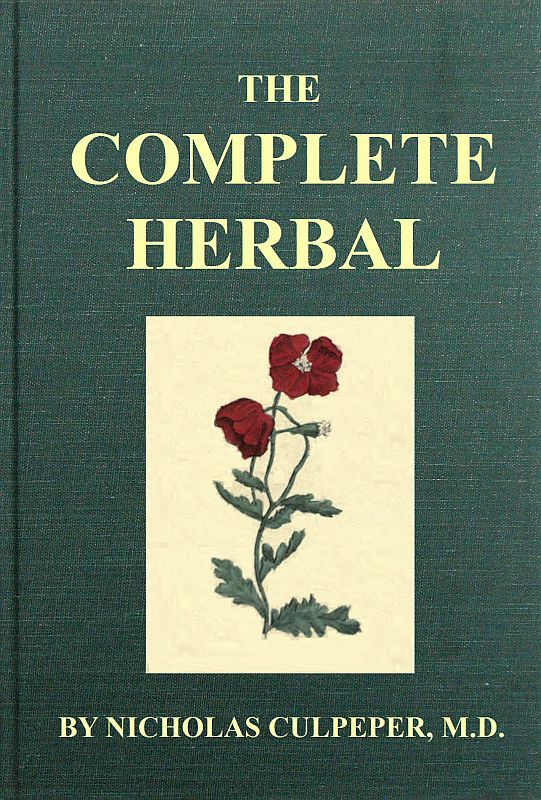
Culpeper's Complete Herbal
Nicholas Culpeper | 1653
King's American Dispensatory
Harvey Wickes Felter | 1854
The Family Herbal
John Hill | 1755
Anatomy of Melancholy
Robert Burton | 1621
Brewer's Dictionary of Phrase & Fable
E. Cobham Brewer | 1870
Ten Thousand Dreams Interpreted
Gustavus Hindman Miller | 1901
Pow-Wows
John George Hohman | 1820
Primitive Culture Vol 1
Edward B. Tylor | 1871
The Complete Book of Fortune
Anonymous | 1930
Myths and Fables of To-Day
Samuel Adams Drake | 1900
Domestic Folk-lore
Thomas Firminger Thiselton-Dyer | 1881
Bulfinch's Mythology
Thomas Bulfinch | 1855
Clavis Astrologiae Elimata
Henry Coley | 1669
Illustration of the Occult Sciences
Ebenezer Sibly | 1784
Genethlialogia
John Gadbury | 1658
The Age of Fable
Thomas Bulfinch | 1855
Strange Survivals
Sabine Baring-Gould | 1892
Bulfinch's Mythology
Thomas Bulfinch | 1881
The Equinox Vol. 1 No. 5
Aleister Crowley | 1911