Preparation
highHill's green oil recipe bruises green chamomile with bay leaves, sea-wormwood, rue, and sweet marjoram, then boils the herbs in olive oil.
Matricaria chamomilla
Chamomile appears in Hermetikon as an archive-backed plant entry, with references across historical medical, magical, symbolic, and ritual contexts where the source texts support them.
Identity, safety, and search aliases used to connect this herb to the archive.
Asteraceae allergy and anticoagulant/pregnancy cautions are relevant.
Historical archive citations are not medical advice. Use modern clinical and poison-control sources for ingestion, dosage, pregnancy, and toxicity questions.
Curated archive synthesis of recurring uses, recipes, rituals, and interpretive problems.
Hermetikon's curated reading of Chamomile (Matricaria chamomilla) is built from 3 source-linked archive notes and 2 preparation or ritual-use entries. The strongest recurring contexts are preparations and ritual uses. Each note below links back to the archive source used for the claim.
Hill's green oil recipe bruises green chamomile with bay leaves, sea-wormwood, rue, and sweet marjoram, then boils the herbs in olive oil.
Frazer records Midsummer noon gathering of camomile in Hesse because flowers picked when the sun is highest were believed to hold the plant's medicinal qualities most strongly.
Chapter VIII. The Magic Flowers of Midsummer Eve.
Frazer also lists camomile among plants burned in festival fires whose smoke was driven over people, children, orchards, crops, and houses.
8. The Need-fire
Hill's green oil bruises green chamomile with bay leaves, sea-wormwood, rue, and sweet marjoram before boiling them in olive oil.
Frazer records camomile among plants burned in seasonal fires whose smoke was directed over people, children, houses, orchards, and crops.
8. The Need-fire
Compact source patterns from the extracted citation set.
2 passages across 2 books; strongest source: Myths of the Norsemen.
Matched as camomile; high confidence.
2 passages across 2 books; strongest source: Clavis Astrologiae Elimata.
Matched as camomile; high confidence.
6 passages across 6 books; strongest source: Anatomy of Melancholy.
Matched as camomile; high confidence.
1 passage across 1 book; strongest source: The Equinox Vol. 1 No. 10.
Matched as camomile; high confidence.
3 passages across 3 books; strongest source: Balder the Beautiful, Volume I.
Matched as camomile; high confidence.
Representative public passages with the herb mention highlighted and linked to archive source material.
Complete public source inventory, placed after the interpretive reading so the page opens with the most useful synthesis first.
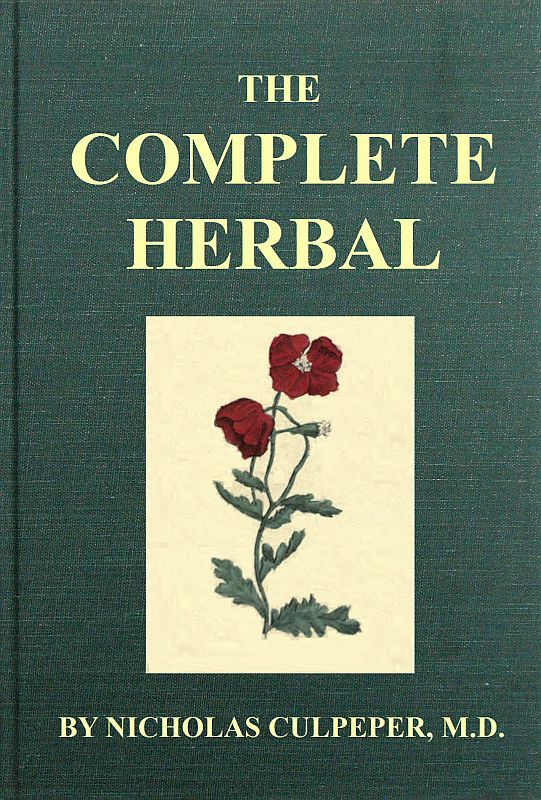
Culpeper's Complete Herbal
Nicholas Culpeper | 1653
King's American Dispensatory
Harvey Wickes Felter | 1854
Anatomy of Melancholy
Robert Burton | 1621
The Family Herbal
John Hill | 1755
Myths of the Norsemen
H. A. Guerber | 1908
The Golden Bough
James George Frazer | 1913
The Golden Bough
James George Frazer | 1890
The Golden Bough
James George Frazer | 1913
Clavis Astrologiae Elimata
Henry Coley | 1669
Balder the Beautiful, Volume I
James George Frazer | 1913
The Complete Book of Fortune
Anonymous | 1930
Extraordinary Popular Delusions
Charles Mackay | 1841
Pow-Wows
John George Hohman | 1820
The Equinox Vol. 1 No. 10
Aleister Crowley | 1913
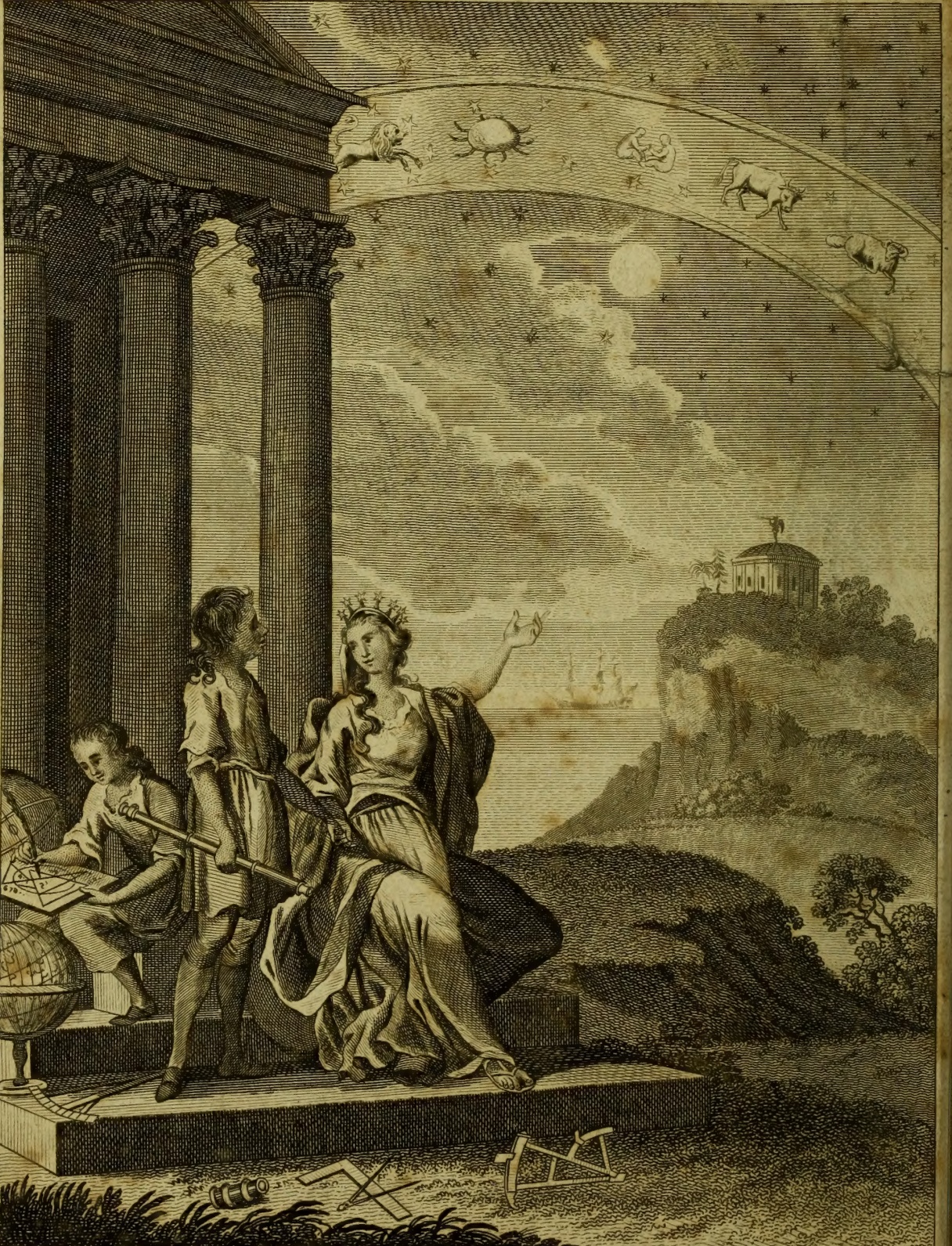
Illustration of the Occult Sciences
Ebenezer Sibly | 1784