Safety
highHill explicitly warns that there are many poisonous aconites and distinguishes them from the shop medicine called wholesome aconite or antithora.
Aconitum napellus
Aconite appears in Hermetikon as an archive-backed plant entry, with references across historical medical, magical, symbolic, and ritual contexts where the source texts support them.
Identity, safety, and search aliases used to connect this herb to the archive.
Aconitine alkaloids are cardiotoxic and neurotoxic.
Historical archive citations are not medical advice. Use modern clinical and poison-control sources for ingestion, dosage, pregnancy, and toxicity questions.
Curated archive synthesis of recurring uses, recipes, rituals, and interpretive problems.
Hermetikon's curated reading of Aconite (Aconitum napellus) is built from 3 source-linked archive notes and 1 preparation or ritual-use entry. The strongest recurring contexts are ritual uses and safety. Each note below links back to the archive source used for the claim.
Hill explicitly warns that there are many poisonous aconites and distinguishes them from the shop medicine called wholesome aconite or antithora.
Ovid's commentator glosses aconite as wolfsbane, a Hecatean poisonous herb said to come from Cerberus' foam, giving the plant a strong mythic poison profile.
Spence places aconite in a black-magic ointment motif with belladonna and poisonous fungi; the evidence is ritual-toxic folklore, not safe practical herbalism.
Spence's ointment passage combines aconite with belladonna and poisonous fungi; preserve this as dangerous ritual folklore, not a usable recipe.
Compact source patterns from the extracted citation set.
1 passage across 1 book; strongest source: Illustration of the Occult Sciences.
Matched as aconite; high confidence.
8 passages across 8 books; strongest source: Encyclopaedia of Occultism.
Matched as aconite; high confidence.
1 passage across 1 book; strongest source: Transcendental Magic.
Matched as aconite; high confidence.
5 passages across 5 books; strongest source: Culpeper's Complete Herbal.
Matched as monkshood; high confidence.
Representative public passages with the herb mention highlighted and linked to archive source material.
Complete public source inventory, placed after the interpretive reading so the page opens with the most useful synthesis first.
King's American Dispensatory
Harvey Wickes Felter | 1854
Metamorphoses (Books I-VII)
Ovid (Publius Ovidius Naso) | 8
Culpeper's Complete Herbal
Nicholas Culpeper | 1653
History of Witchcraft and Demonology
Montague Summers | 1926
Encyclopaedia of Occultism
Lewis Spence | 1920
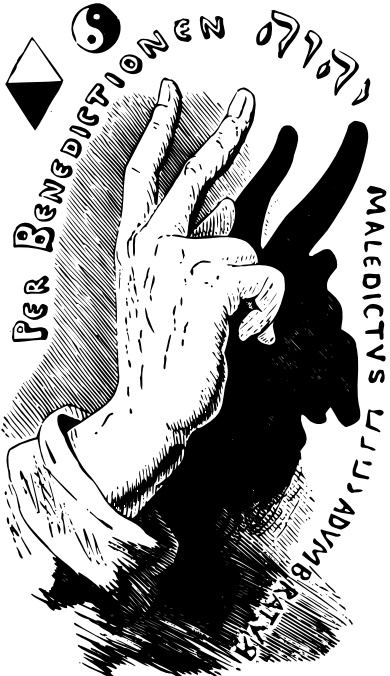
Transcendental Magic
Eliphas Levi | 1854
Hastings' Encyclopaedia of Religion and Ethics
James Hastings | 1917
Thaumaturgia
Richard Harris Dalton Barham | 1835
Brewer's Dictionary of Phrase & Fable
E. Cobham Brewer | 1870
Myths of the Norsemen
H. A. Guerber | 1908
The Family Herbal
John Hill | 1755
The Prophecies
Michel de Nostredame (Nostradamus) | 1555
Heathen Mythology
Anonymous | 1842
Modern Magic
Angelo John Lewis | 1876
Human Animals
Frank Hamel | 1915
The Complete Book of Fortune
Anonymous | 1930
Transcendental Magic
Éliphas Lévi (Alphonse Louis Constant) | 1856
Mysteries of All Nations
James Grant | 1880
Anatomy of Melancholy
Robert Burton | 1621
Bulfinch's Mythology
Thomas Bulfinch | 1855
Bulfinch's Mythology
Thomas Bulfinch | 1881
The Age of Fable
Thomas Bulfinch | 1855
The Book of Witches
Unknown Author (Historical Compilation) | 1900
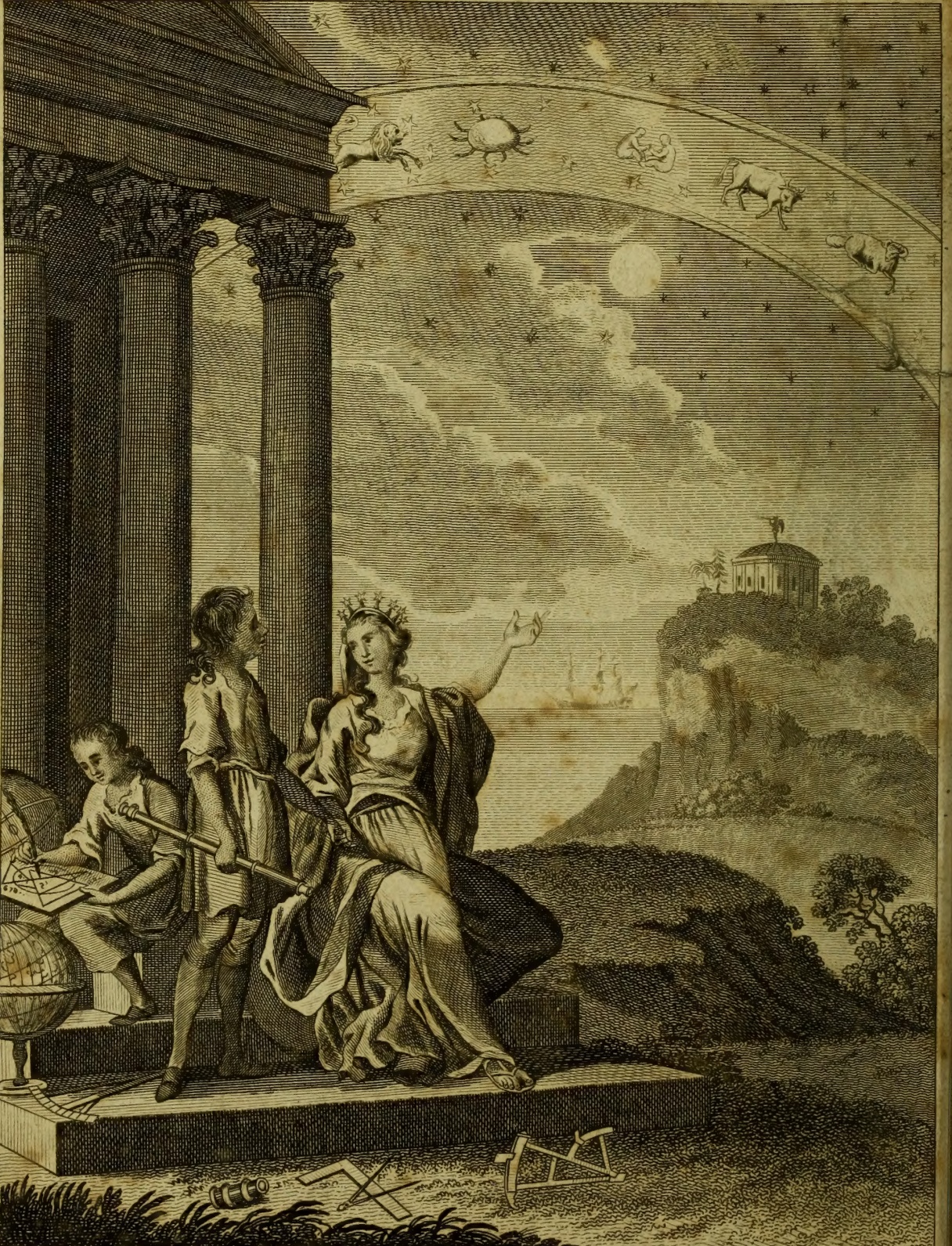
Illustration of the Occult Sciences
Ebenezer Sibly | 1784
The Equinox Vol. 1 No. 6
Aleister Crowley | 1911
The Equinox Vol. 1 No. 7
Aleister Crowley | 1912
The New Pearl of Great Price
A. E. Waite | 1894