ermetikon

Curated archive path

Witchcraft and Folk Magic Reading List

This reading list keeps trial literature, polemical demonology, folklore collection, and practical folk-magic books separate so the archive does not flatten them into one modern category.

This public reading list links directly to source books in the Hermetikon archive, then back into the broader archive path for related texts, authors, and traditions.

Texts
7
Path
Use this path if you want witchcraft and folk magic as historical source material, not as a modern ritual manual.
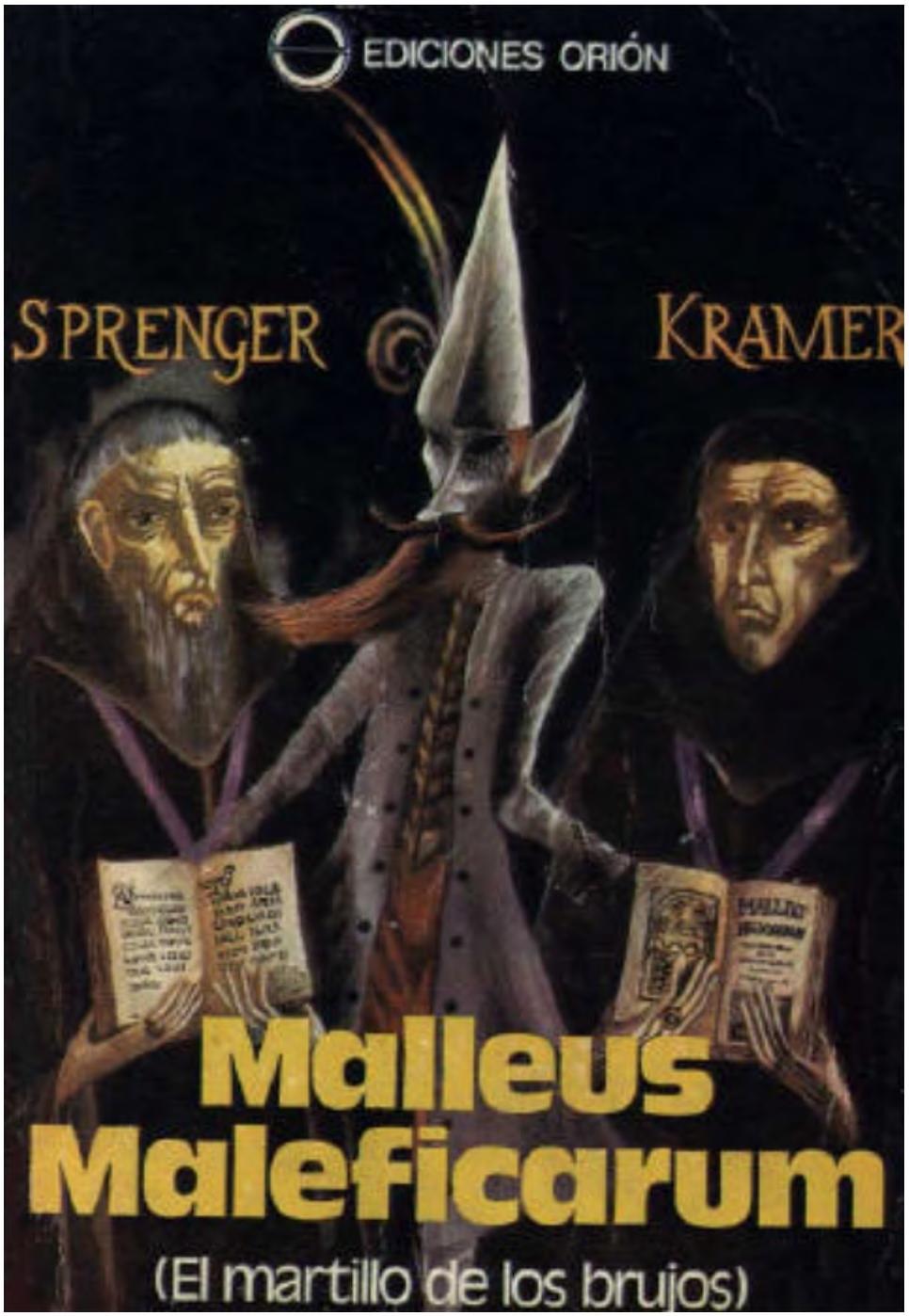
Malleus Maleficarum

Step 1: Start with prosecutorial demonology

Malleus Maleficarum

Heinrich Kramer1487PrimaryAdvanced

Malleus Maleficarum is a difficult but central source for late medieval witchcraft theory and persecution logic.

The most influential and infamous treatise on the prosecution of witches ever written. Created by the Dominican inquisitor Heinrich Kramer, the Malleus systemizes the theological justification for the existence of witchcraft as a heresy, describes the supposed practices of witches (including pacts with the devil and carnal intercourse with demons), and provides a precise judicial manual for the interrogation, trial, and execution of the accused. It was a primary catalyst for the European witch-hunts.
Salem Witchcraft

Step 2: Move into Salem documentation

Salem Witchcraft

Various Historians1892PrimaryIntermediate

Salem Witchcraft gives a concrete historical case for accusation, testimony, community panic, and later interpretation.

Historical account and analysis of the Salem witch trials of 1692-1693 in colonial Massachusetts. Documents the mass witchcraft hysteria, trials, executions, and social factors that led to crisis. Provides detailed documentation of accusations, testimonies, and historical context.

Witch Stories

Step 3: Read collected witch narratives

Witch Stories

E. Lynn Linton1861PrimaryIntermediate

Witch Stories gathers narrative material that helps separate folklore, accusation, and literary transmission.

A comprehensive historical collection of witchcraft cases and trials from Scotland and England. Written from a skeptical, rationalist Victorian perspective, Linton aims to document the 'cruelty and superstition' of the past, focusing on the legal and social aspects of the witch-hunts.

The Book of Witches

Step 4: Add a compact witchcraft anthology

The Book of Witches

Unknown Author (Historical Compilation)1900PrimaryIntermediate

The Book of Witches works as a bridge between historical narrative, folklore, and the public imagination of witchcraft.

Historical compilation documenting famous witchcraft cases, trials, and evidence from medieval and early modern Europe. Presents testimony, trial records, confession accounts, and historical evidence from major witch persecution periods. Combines judicial documentation with contemporary accounts revealing how witchcraft accusations developed and how trials proceeded. Documents both accused witches and trial procedures.

Witchcraft & Second Sight

Step 5: Compare second sight and regional belief

Witchcraft & Second Sight

John Gregorson Campbell1902PrimaryIntermediate

Witchcraft & Second Sight brings Highland folk belief, vision, charm practice, and local testimony into the path.

A collection of authentic Scottish traditions and folklore gathered first-hand by John Gregorson Campbell, the minister of Tiree. It provides an invaluable record of Gaelic oral traditions regarding the supernatural (witchcraft, second sight, death warnings, spells), gathered before they were lost to modernization.

Black Pullet

Step 6: Turn toward folk-grimoire magic

Black Pullet

Anonymous (French folk tradition)1760PrimaryIntroductory

Black Pullet moves the reader from witchcraft discourse into charm, talisman, and popular grimoire material.

French folk grimoire presenting practical talismanic magic for wealth, protection, and treasure-finding. Combines celestial magic with folk practice. Features elaborate talismanic designs, magical words and formulas, and procedures for creating and activating talismans. Emphasizes practical results (wealth, protection, luck) over spiritual development. Written in accessible folk tradition rather than learned magical language. Reflects popular magical beliefs and desires of 18th-century European folk culture.

The Authentic Red Dragon and Black Hen

Step 7: Finish with popular magical pamphlets

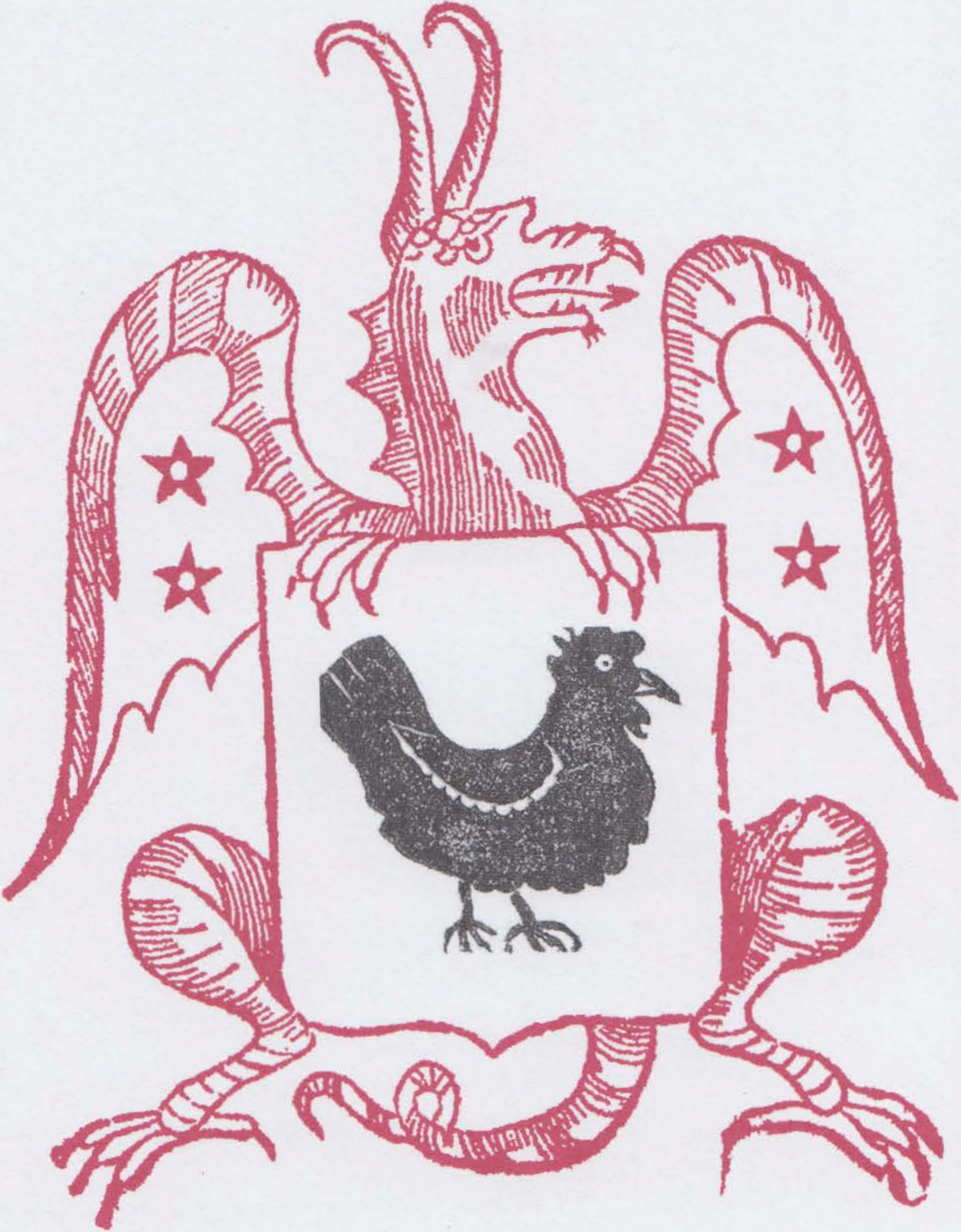
The Authentic Red Dragon and Black Hen

Anonymous1800PrimaryIntermediate

The Authentic Red Dragon and Black Hen shows how folk magic, grimoire material, and talismanic procedures circulated in print.

Practical grimoire emphasizing folk magic spells, charms, and rituals for prosperity, protection, love, and magical influence. Contains specific instructions for creating talismans, performing rituals, and invoking supernatural forces for practical purposes. Emphasizes practical application rather than elaborate philosophical theory. Includes spells for wealth-seeking, protection from harm, romantic conquest, and practical magical work. Represents European folk magic tradition distinct from more elaborate ceremonial grimoires.

Witchcraft / Folk Magic FAQ

Public answers for readers choosing whether this source path fits their study.

Is this a practical witchcraft reading list?

No. It is a historical source path through trial, folklore, demonology, and folk-magic material in the archive.

Why start with Malleus Maleficarum?

It is not a sympathetic source, but it is important for understanding the prosecutorial and theological framework behind European witch persecution.

Why include Black Pullet with witchcraft?

It marks the transition from witchcraft discourse into popular grimoire and charm-book material, which is adjacent but not identical.

Research this path with the Archivist

Search across the listed texts, retrieve citations, and compare related terms across the archive.

Ask the Archivist