ermetikon

Curated archive path

Theosophy and Esoteric Cosmology Reading List

This reading list starts with Blavatsky's Theosophical system, then compares its cosmology with Christian theosophy, Rosicrucian synthesis, and later esoteric astrology.

This public reading list links directly to source books in the Hermetikon archive, then back into the broader archive path for related texts, authors, and traditions.

Texts
7
Path
Use this path if you want Theosophy as a source tradition in the archive, especially where cosmology, occult philosophy, and comparative religion overlap.
Isis Unveiled, Vol. 2: Theology

Step 1: Start with Blavatsky's earlier synthesis

Isis Unveiled, Vol. 2: Theology

Helena Petrovna Blavatsky1877PrimaryAdvanced

Isis Unveiled Vol. 2 frames religion, occult philosophy, and comparative esotericism before the later Secret Doctrine system.

H.P. Blavatsky's second volume of Isis Unveiled, examining theological and spiritual teachings of world religions. Synthesizes Christian, Eastern, and esoteric traditions, arguing for underlying unity of spiritual wisdom. Analyzes theological concepts across traditions and their esoteric meanings.
The Secret Doctrine (Vol 1)

Step 2: Read the cosmogenesis volume

The Secret Doctrine (Vol 1)

Helena Petrovna Blavatsky1888PrimaryAdvanced

The Secret Doctrine Vol. 1 gives the central Theosophical cosmology of cycles, planes, emanation, and occult evolution.

Volume 1, Cosmogenesis, provides an account of the origin and evolution of the universe based on the 'Stanzas of Dzyan.' Blavatsky outlines the seven 'rounds' and 'chains' of cosmic development, the involution of spirit into matter, and the fundamental principles of the Esoteric Philosophy. It attempts to synchronize ancient Eastern wisdom with the emerging science of the late 19th century.

The Secret Doctrine, Vol. 2: Anthropogenesis

Step 3: Move into anthropogenesis

The Secret Doctrine, Vol. 2: Anthropogenesis

Helena Petrovna Blavatsky1888PrimaryAdvanced

The Secret Doctrine Vol. 2 extends the system into humanity, races, mythic history, and esoteric anthropology.

H.P. Blavatsky's second major volume of The Secret Doctrine, presenting theosophical teachings on human evolution and the development of consciousness through successive root races. Describes the seven root races, their characteristics, spiritual development, and eventual transformation. Synthesizes esoteric teachings about human origin, nature, and destiny with theosophical interpretation of natural and spiritual evolution.

The Secret Doctrine, Vol. 3

Step 4: Add later Theosophical material

The Secret Doctrine, Vol. 3

Helena Petrovna Blavatsky1897PrimaryAdvanced

The Secret Doctrine Vol. 3 gives additional essays and material useful after the first two volumes establish the system.

H.P. Blavatsky's third volume of The Secret Doctrine, presenting additional esoteric teachings, cosmic mysteries, and advanced theosophical concepts. Continues exposition of divine wisdom and cosmic principles. Covers specialized esoteric topics and elaborations on fundamental teachings.

Aurora

Step 5: Compare Christian theosophy

Aurora

Jacob Boehme1612PrimaryAdvanced

Aurora gives an older Christian theosophical current that helps distinguish Boehme's mystical cosmology from modern Theosophy.

Boehme's first great work of mystical theology, describing the inner 'birth' of the divine life within the human soul through the metaphor of the dawning day. Written after Boehme's mystical illumination in 1600, it presents a comprehensive Christian cosmology combining alchemical symbolism, biblical interpretation, and direct visionary experience. The work explores the nature of God, creation, angels, the fall, and humanity's redemption through Christ. Boehme presents God as containing both light and darkness, good and evil as necessary opposites within divine nature. The 'aurora' represents the dawning of divine light in both cosmos and individual soul.

Rosicrucian Cosmo-Conception

Step 6: Compare Rosicrucian cosmology

Rosicrucian Cosmo-Conception

Max Heindel1909PrimaryAdvanced

Rosicrucian Cosmo-Conception shows a related esoteric cosmology that readers can compare with Blavatsky's system.

The foundational text of the Rosicrucian Fellowship and a primary work of 20th-century Western esotericism. Max Heindel presents a systematic 'cosmo-conception' that explains the past evolution, present constitution, and future development of humanity. He detailes the seven worlds, the seven periods of evolution, and the nature of the human spirit. Drawing on both Rosicrucian tradition and Theosophical concepts, Heindel seeks to reconcile occult science with 'Mystic Christianity'.

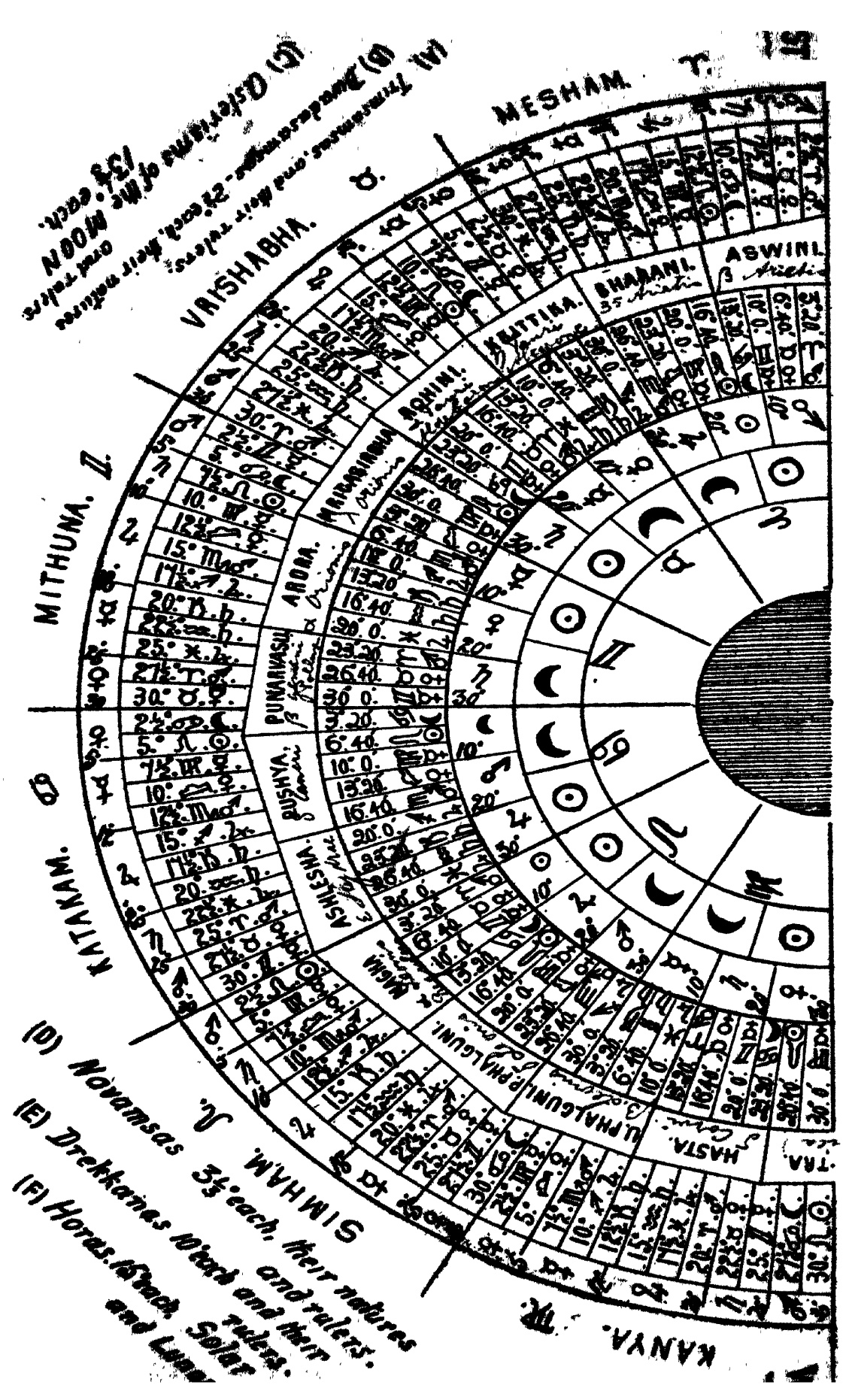
Esoteric Astrology

Step 7: Finish with astrological reception

Esoteric Astrology

1913PrimaryAdvanced

Esoteric Astrology shows how Theosophical and occult cosmology shaped a later astrological language.

The capstone of Alan Leo's theosophical reinterpretation of astrology, presenting the birth chart as a diagram of the soul's spiritual constitution rather than a predictor of mundane events. Drawing on Theosophical teachings about the sevenfold nature of man, karma, and the soul's evolution through planetary spheres, Leo establishes the framework for the modern psychological and spiritual approach to astrology. Essential reading for understanding how Theosophy transformed astrology into a tool for self-knowledge.

Theosophy FAQ

Public answers for readers choosing whether this source path fits their study.

What Theosophy book should I read first?

Start with Isis Unveiled Vol. 2, then read The Secret Doctrine Vol. 1 and Vol. 2 before using later comparisons.

Why include Boehme in a Theosophy reading list?

Boehme represents an older Christian theosophical current, which helps readers separate modern Theosophy from earlier uses of the word.

How does esoteric astrology fit here?

Esoteric Astrology shows one route by which Theosophical cosmology influenced twentieth-century occult astrology.

Research this path with the Archivist

Search across the listed texts, retrieve citations, and compare related terms across the archive.

Ask the Archivist