Cultural anthropology and animism theory
Edward B. Tylor
1832 – 1917
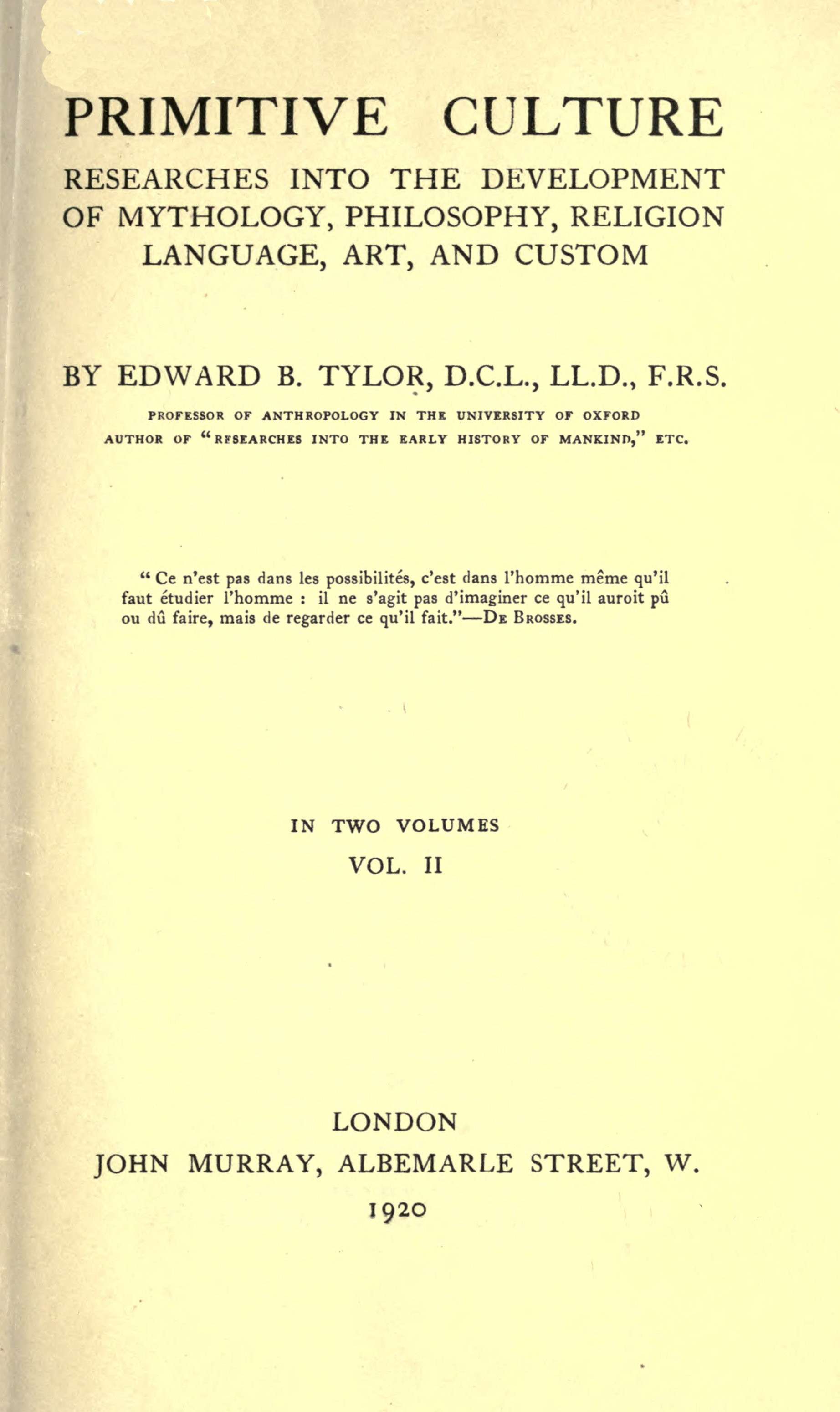
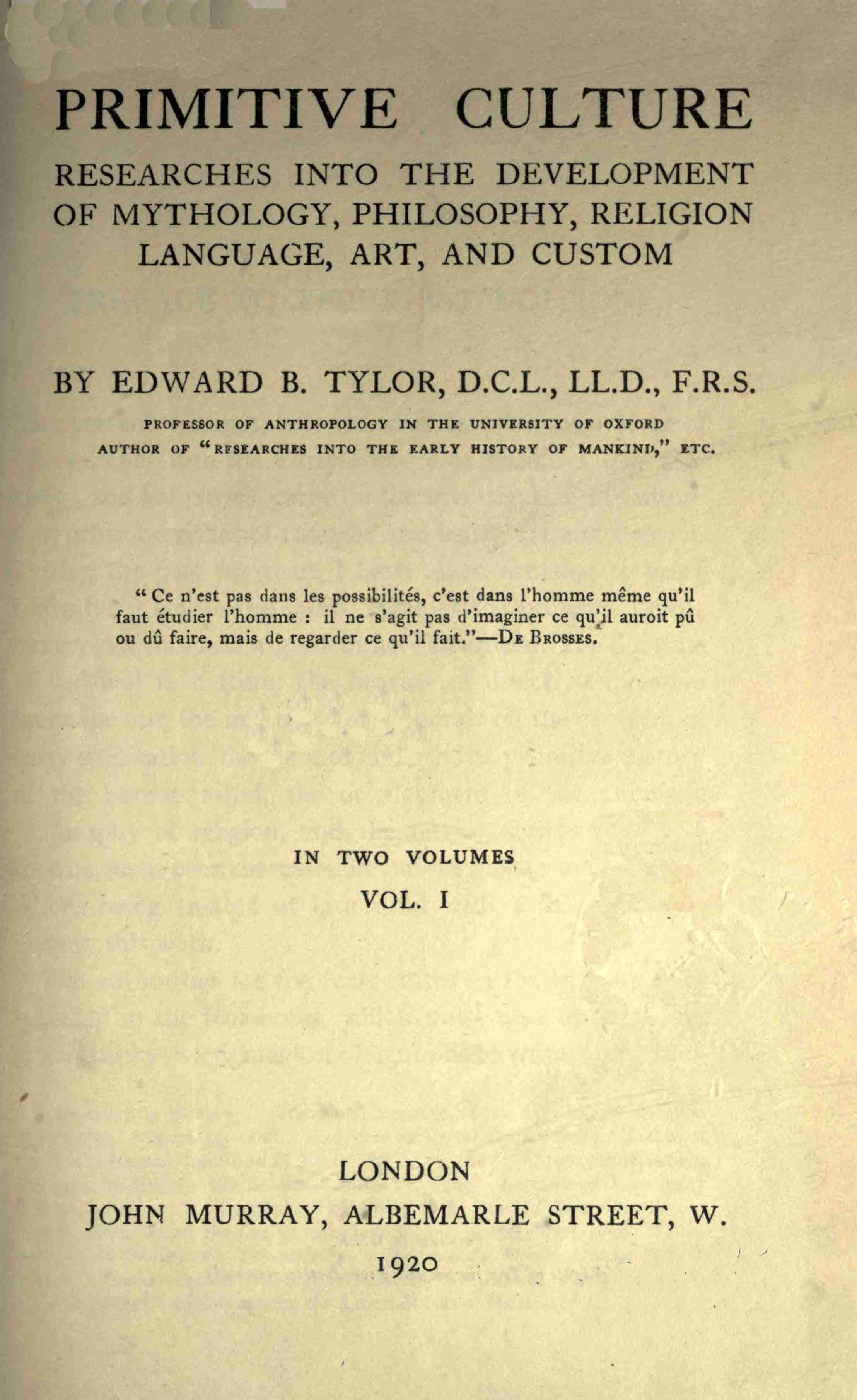
Sir Edward Burnett Tylor was the founding father of cultural anthropology and the first Professor of Anthropology at Oxford University, best known for his landmark two-volume Primitive Culture (1871), which systematized the concept of animism — the belief that spiritual beings constitute the earliest universal form of religion. His evolutionary model of religious development from animism through polytheism to monotheism, and his concept of survivals — vestigial magical practices persisting into modern life — became the theoretical framework through which Western scholars analyzed magic, folk belief, and esoteric tradition. Tylor's framework, however contested, shaped every subsequent academic approach to the relationship between magic and religion.
Archive Paths
Comparative Religion
Comparative religion texts on ritual, myth, sacrifice, belief, ancient religion, and cross-cultural theories of sacred practice.
Comparative Mythology
Comparative mythology texts on gods, hero cycles, symbolic patterns, classical myth, Indo-European myth, and cross-cultural mythic structures.
Folklore Studies
Folklore studies texts on folk tales, fairy belief, superstition, regional customs, oral tradition, and the collection of vernacular belief.
Anthropology of Religion
Anthropological texts on ritual, animism, totemism, taboo, early religion, culture, and theories of belief formation.
Works in the Archive2 volumes
Related Authors
Ask the Hermetikon Archivist about Tylor
The AI can search across all 2 works and retrieve direct quotations with page references.